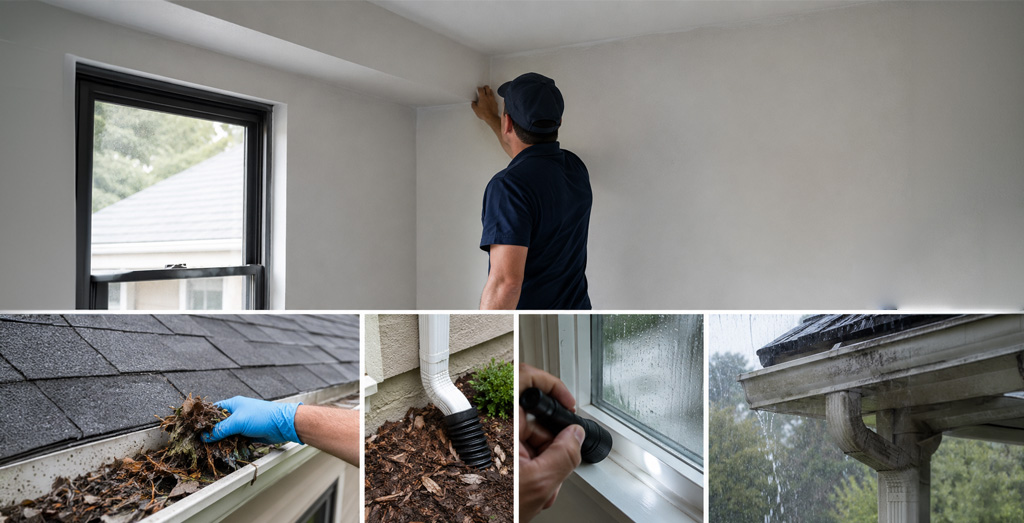
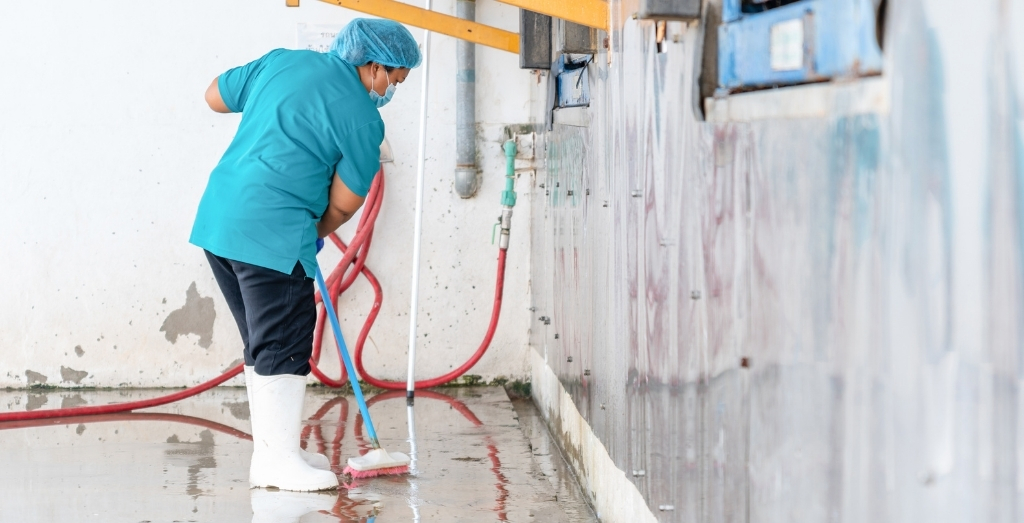
Most people call for help only after they have already tried to handle it themselves. They have mopped what they can, pointed a fan at the wet floor, and told themselves the carpet will dry out by morning. A couple of days later, the smell arrives. Then comes the warping. By then, what started as a fixable situation has quietly become a much more expensive one.
This is exactly how water damage tends to go in Western Washington. In Seattle, Bellevue, Everett, Renton, and Bellingham, the climate does not give damaged properties much of a grace period. High ambient humidity slows natural drying and accelerates the conditions that allow mold to take hold. The window for effective, affordable intervention is genuinely narrow, and once it closes, the scope of what needs to happen changes considerably.
According to FEMA, a single inch of standing water can cause up to $25,000 in property damage. That number increases significantly when intervention is delayed beyond the 24-hour mark.
Worth knowing before you read on:
The 24-hour mark is not an industry invention. It is the window during which mould becomes active, materials begin to fail permanently, and restoration costs increase significantly.
What Happens in the First 24 Hours After Water Damage?
1. How quickly does water spread through a home?
Within minutes of a breach, water is already moving in directions you cannot see. It follows the path of least resistance, running under baseboards, seeping into wall cavities, and wicking upward through drywall. A carpet that appears to be the only thing affected is often sitting above a subfloor that has absorbed just as much moisture. Visible damage rarely captures the full picture.
- Carpets and padding saturate almost immediately
- Drywall softens and begins absorbing within the first few hours
- Water travels along pipes, ducts, and wiring into areas far from the original source
- Wood structural components begin taking on moisture well before the 24-hour mark
2. What materials are affected first?
Some building materials fail far faster than others. The table below shows roughly how quickly the most common materials are impacted, and what typically happens when they stay wet.
| Material | Impact Timeline | Typical Outcome |
| Carpets and rugs | Immediate | Full saturation, odor retention |
| Drywall | 1 to 3 hours | Swelling, structural softening |
| Hardwood flooring | Within 24 hours | Warping, cupping, and buckling |
| Upholstered furniture | Within a few hours | Deep moisture, persistent odors |
| Wall insulation | Within hours | Compression, loss of thermal value |
3. Why do odors and toxins linger for weeks or months?
When moisture is trapped in porous materials, organic decomposition begins. Bacteria grow quickly in wet, enclosed spaces, and any contaminants carried by the water, whether from a sewage backup, storm runoff, or a flooded crawl space, become embedded in floors and walls. Surface drying does nothing to address what is happening inside those materials. Odors that seem to go away often return weeks later because the source was never actually treated.
The EPA notes that sustained indoor moisture creates ideal conditions for microbial growth that directly affects indoor air quality and long-term occupant health.
Why Is the 24-Hour Window So Important?
1. How soon can mold begin to grow?
Mold spores exist in almost every indoor environment. Under normal dry conditions, they are dormant and harmless. Add moisture, and the situation changes within a day. The CDC has documented that water-damage mold prevention must begin within 24 to 48 hours, because that is the realistic window before dormant spores become active and form spreading colonies. In the Pacific Northwest’s mild, humid climate, that window can be shorter still.
- Warm, enclosed spaces with trapped moisture accelerate growth considerably
- Wall cavities and underfloor spaces are most at risk and least visible
- Once mold is established, remediation becomes an entirely separate and costly process
2. How early intervention reduces restoration costs
Understanding why acting quickly in water-damage situations demands an immediate call comes down to a straightforward relationship between time and cost. Every additional hour that water sits means more material is affected, more replacement is required, and more labor is needed to restore the property to a livable condition.
| Response Time | Typical Outcome | Cost Impact |
| Within 24 hours | High salvage rate, minimal structural damage | Lowest possible cost |
| 24 to 48 hours | Moderate damage, some replacement needed | Noticeably higher cost |
| 48 to 72 hours | Significant damage, elevated mold risk | Substantially higher cost |
| Beyond 72 hours | Widespread damage, structural concerns | Highest restoration cost |
What Are the Risks of Mold Growth After Water Damage?
1. What conditions promote mold growth?
Mold does not need much. Moisture, moderate temperature, and any organic surface are enough. In a water-damaged property, those conditions arrive together. Drywall, wood framing, cardboard, and accumulated dust all serve as food sources. Western Washington’s relatively mild year-round temperatures and sustained humidity make the region especially hospitable for rapid mold development after a water event.
2. What health issues can arise from exposure?
The CDC has found a very clear link between indoor mold exposure and various health issues. For families with children, older adults, or anyone with breathing conditions, the risks are much higher.
- Persistent coughing, wheezing, and shortness of breath
- Throat and eye irritation
- Worsening symptoms for those living with asthma
- Skin irritation and recurring headaches with prolonged exposure
Why Isn’t Taking Care of It Yourself Enough?
1. What tools do homeowners usually not have?
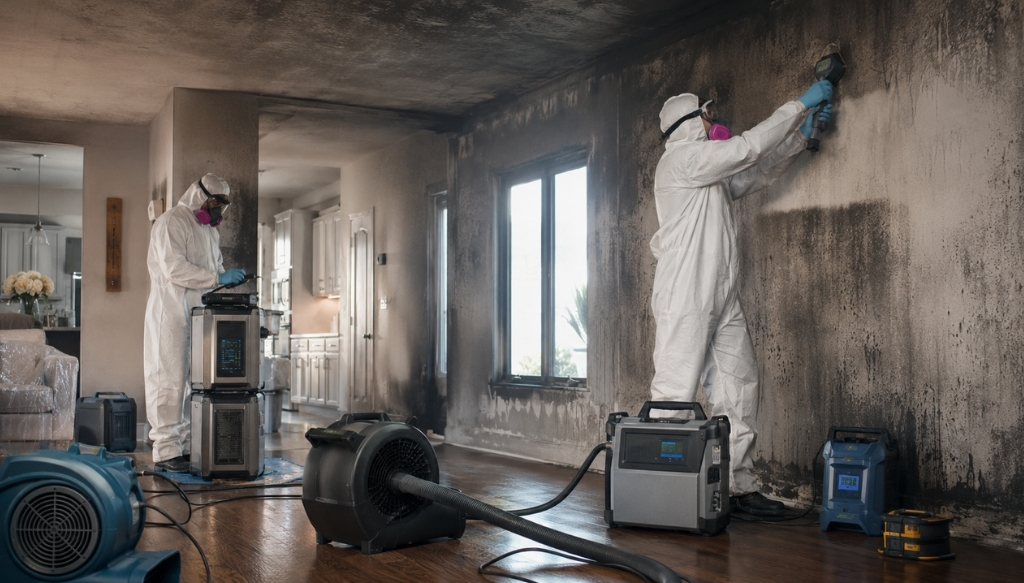
The difference between a household fan and professional water damage restoration equipment is bigger than most people think. Industrial water extractors remove more water per hour than anything at a hardware store. Commercial dehumidifiers pull moisture from the air far faster than residential units can. Thermal imaging cameras reveal water pockets hidden inside walls. Without the tools, moisture gets left behind, and the damage continues quietly.
- Industrial water extractors and truck-mounted suction systems
- High-capacity dehumidifiers remove gallons of moisture per hour
- Moisture meters and thermal imaging for finding hidden saturation
- Air movers placed for controlled, steady structural drying
The real risk of stopping short:
A surface that feels dry is not always dry underneath. Moisture left inside walls or beneath flooring continues causing damage long after a cleanup appears finished.
How Do Professionals Respond Within the First 24 Hours?
1. What is emergency water extraction?
Emergency water extraction is the immediate, high-volume removal of standing water using industrial equipment. It is the opening step in any emergency water damage cleanup response, and it begins as quickly as possible after a team arrives on site. Removing as much water volume as early as possible significantly limits how deeply moisture penetrates structural materials and how much of the property ultimately needs to be replaced.
2. What role does moisture detection play?
Moisture meters and thermal imaging cameras let trained technicians map exactly where water has traveled, including deep inside walls, beneath flooring, and within ceiling cavities. Without this step, drying is essentially guesswork. This is what separates professional water damage restoration services from a surface cleanup that leaves hidden problems waiting to appear.
What Are the Benefits of Immediate Professional Restoration?
Can it save flooring, walls, and belongings?
Frequently, yes, and the difference between salvage and replacement often comes down to how many hours passed before professional equipment was on site.
| Item | Likelihood of Salvage with Quick Response |
| Hardwood floors | High, when extraction begins within the first few hours |
| Carpets and padding | Moderate to high, depending on saturation level |
| Solid wood furniture | Generally high with prompt professional drying |
| Drywall | Moderate, if addressed before structural softening progresses |
How does it speed up recovery time?
- Professional equipment dries properties far faster than natural evaporation.
- Acting early helps keep the extent of repairs down and usually means things get back to normal quicker.
- Keeping clear records right from the beginning also helps make the insurance claim process feel much smoother.
What Should You Do Immediately After Water Damage Occurs?
What safety steps should you take first?
- Turn off electricity to affected areas before entering any standing water
- Identify and stop the water source if it is safe to do so
- Stay out of areas where contamination from sewage or runoff is possible
- Move valuables and important documents to a dry location
- Photograph all visible damage before any cleanup begins
What not to do after water damage?
- Do not rely on household fans as a substitute for industrial drying equipment
- Do not enter areas where electrical hazards may be present
- Do not wait, assuming the property will dry out on its own
- Do not overlook areas that look dry but may be saturated below the surface
Quick Action Checklist:
- Stop the water source
- Turn off the electricity to the affected areas
- Move valuables
- Photograph damage
- Call for professional help immediately
- Notify your insurance provider
The Clock Is Running: Here Is What That Means for You
Water damage in Washington does not pause while you weigh your options. For water damage restoration in areas like Seattle, Bellevue, Everett, Renton, and Bellingham, WA, the outcome depends heavily on how quickly a professional team can get to work. The Pacific Northwest climate doesn’t give you much room to get it wrong. Every hour you wait makes it harder to fix things properly and usually ends up costing more.
Our team at Bio Clean, Inc. is on call 24/7 for emergency water damage cleanup across Washington. We move quickly, remove water carefully, and stay with you through each step of the restoration process. If water damage has made its way into your property, now’s the time to act. Call us at (888) 412-6300 and give your home or building the best shot at a full recovery.