Mold spores never leave your home. They are always there, invisible and dormant. All they need is one thing: moisture. If there’s a water leak or spike in humidity, the spores activate within 24 to 48 hours and begin to colonize surfaces. In Washington’s relentlessly wet climate, mold remediation in Seattle, WA, Renton, Bellevue, and Bellingham is only half the battle. What comes after remediation determines whether the problem is truly resolved or simply delayed.
At Bio Clean, Inc., we’ve seen too many homeowners complete professional remediation only to face the same problem a season later, because no one told them what to do next.
This blog discusses what to look for in the first rainy season, where mold tends to reappear most often, the prevention strategies that really work, and the mistakes that guarantee it will recur.
Why Mold Returns Even After Professional Remediation
Remediation removes mold. It does not eliminate the conditions that created it, and that is the difference that most homeowners miss until mold is back on their walls.
Mold Removal vs. Moisture Elimination: The Critical Difference
Professional cleaning will remove visible colonies and spores from the air, but if the source of moisture is still active, new spores will colonize the same surfaces in a matter of days. Moisture intrusion prevention is the homeowner’s responsibility once the crew leaves.
The Most Common Causes of Recurring Mold
- Unresolved leaks behind walls or beneath flooring
- Poor ventilation improvements that were discussed but never implemented
- Crawl space moisture left unaddressed after remediation
- Dehumidifiers turned off before structural materials fully dried
Why the First Rainy Season Is the Real Test
Washington’s rainfall sustains indoor humidity at levels that silently feed dormant spores. Every season, the exact same vulnerabilities that caused the original event get stress-tested, and homes without active post-remediation monitoring almost always learn this the hard way.
What Homeowners Should Monitor During the First Rainy Season
The first rainy season following treatment is when hidden vulnerabilities surface. Catching them early is the difference between a quick fix and a full-blown recurrence.
- Check Indoor Humidity Levels Weekly: Target 30%–50% relative humidity. Anything consistently above 60% is an active mold risk.
- Watch for New Water Stains or Discoloration: A fresh yellow or brown patch on your ceiling after a rainstorm is never just a cosmetic issue. That stain is moisture actively moving through your structure from the roof, foundation, or plumbing, and every day you leave it uninvestigated, it travels further.
- Monitor Musty Odors Carefully: If you smell mustiness but see no mold, colonies are probably forming somewhere unseen, one of the most obvious mold recurrence warning signs.
- Inspect Windows for Condensation Problems: Regular condensation on windows means indoor air has too much moisture, which slowly pushes vapor into wall assemblies and framing.
- Pay Attention to HVAC Performance: A system working harder than usual during wet months may be circulating moist, unfiltered air and directly contributing to attic condensation issues.
The Hidden Areas Where Mold Commonly Returns
Mold doesn’t return where you’re looking. At Bio Clean, Inc., our team uses specialized detection tools during inspection precisely because these areas are consistently overlooked after remediation.
1. Crawl Spaces and Subflooring
Crawl space moisture migrates upward continuously through vapor diffusion. Without a properly sealed vapor barrier, a clean crawl space becomes a mold incubator within one wet season.
2. Attics With Poor Ventilation
Warm air from inside rises and condenses on the colder surface of the roof deck. Attic condensation issues occur with no visible leak until mold is already well established across the sheathing.
3. Behind Drywall and Cabinets
Wall cavities are warm, still, and dark. The only way to make sure these areas are dry before they are sealed back up is with specialized tools for hidden moisture detection.
4. Around Windows and Exterior Walls
Degraded caulking allows rain to penetrate gradually, wicking into framing and insulation, and what appears to be a surface problem outside often drives basement mold prevention failures deep inside the structure.
Best Practices for Preventing Mold After Remediation
Prevention is a discipline, not a one-time act, and in Washington’s climate, it is non-negotiable.
- Control Indoor Humidity Year-Round: Run dehumidifiers consistently. Dehumidifier maintenance: clean filters and clear drainage to ensure the unit always performs at full capacity.
- Address Water Intrusion Immediately: That slow drip under the kitchen sink you’ve been meaning to fix? It already has enough moisture to grow mold within 24 hours. Anything that introduces water into your home needs to be repaired the same day it’s found, not next weekend.
- Improve Airflow Throughout the Home: Bathrooms and kitchens generate more moisture than most homeowners realize. Running exhaust fans every time you cook or shower, combined with targeted ventilation improvements in persistently damp areas, removes that moisture before it has anywhere to settle.
- Replace Water-Damaged Materials Properly: Here’s what most contractors won’t tell you: treating a soaked drywall panel in place instead of replacing it is a shortcut that mold will eventually expose. Any porous material that absorbed water needs to come out. Rebuilding with mold-resistant materials, purpose-made drywall, and paint in bathrooms and basements is the structural decision that actually holds long-term.
- Schedule Routine Moisture Inspections: Professional hidden moisture detection finds what visual checks miss entirely, particularly inside walls and below flooring.
What Humidity Level Prevents Mold Growth?
The EPA recommends keeping indoor humidity between 30% and 50% year-round. The biological parameter is exact; mold cannot form colonies under 50% humidity.
Ideal Indoor Humidity Range Explained
This is the point at which the germination of mold spores is effectively suppressed, regardless of the organic surfaces that exist in the home.
Best Tools for Monitoring Moisture Levels
| Tool | Function |
| Hygrometer | Real-time indoor humidity readings |
| Moisture Meter | Measures moisture content inside walls and flooring |
| Specialized Detection Tools | Locates hidden mold in walls, ceilings, and structures |
| Indoor Air Quality Monitoring Device | Tracks humidity, particulates, and air contaminants continuously |
Signs Your Home Is Too Humid
Peeling paint, warping floors, persistent musty odor, and regular condensation on windows all signal that humidity control indoors has broken down and mold risk is actively elevated.
Mold Prevention Strategies That Work Best in Rainy Climates
Washington’s sustained seasonal rainfall demands proactive, climate-specific strategies, especially for homeowners managing water damage restoration in Everett, WA, or water damage restoration in Bellevue, WA.
- Upgrade Drainage Around the Home: Downspouts must direct water at least six feet from the foundation. Poor grading toward the structure is one of the most overlooked drivers of basement mold prevention failure.
- Waterproof Vulnerable Areas: Interior sealants on concrete walls and crawl space vapor barriers are waterproofing solutions that pay back their value many times over across Washington’s wet seasons.
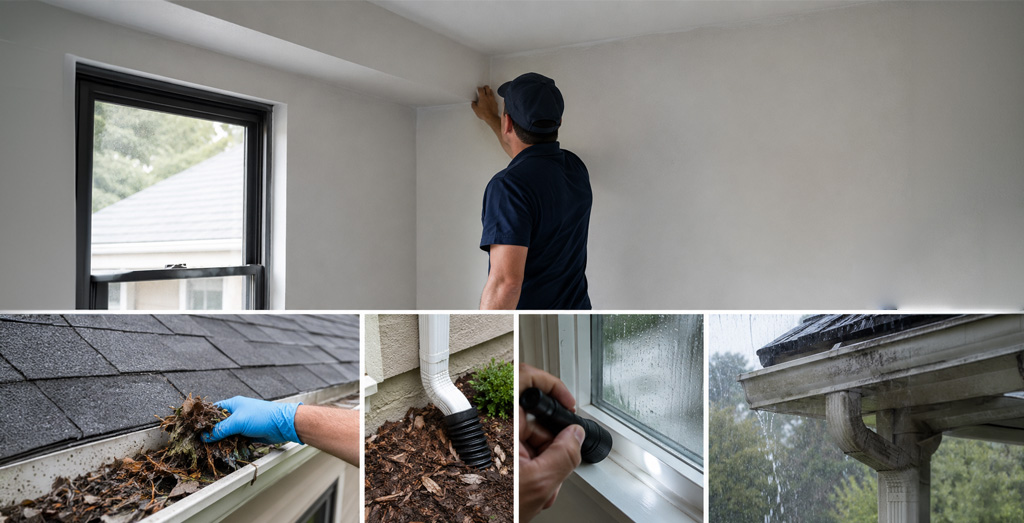
- Protect the Roof Against Water Intrusion: A pre-season roof leak inspection, checking flashing, shingles, and gutters, is the most accessible preventive step available. When roof leaks do occur, they rarely reveal themselves until moisture has penetrated deep into wall assemblies.
Common Mistakes Homeowners Make After Mold Remediation
- Turning Off Dehumidifiers Too Soon: The surface feels dry, so the dehumidifier gets switched off. Meanwhile, the framing inside your walls is still holding significant moisture. Structural materials dry from the inside out, and that process takes considerably longer than what you can feel with your hand.
- Ignoring Small Leaks: A slow drip feels manageable until it isn’t. Two weeks of unchecked moisture behind a cabinet or beneath flooring is enough time for a mold colony to establish itself and begin spreading to adjacent materials.
- Blocking Ventilation Pathways: Pushing a sofa against a vent or stacking boxes in front of an air return seems harmless. In practice, it forces moisture to concentrate in stagnant pockets where air never reaches exactly the conditions mold waits for.
- Skipping Post-Remediation Inspections: Mold removal without post-remediation verification is an assumption, not a confirmation. Without formal testing, there is no evidence that the job met industry standards or that hidden colonies weren’t left behind.
- Assuming Mold Won’t Return After Professional Cleanup: Professional remediation resolves what was there. It doesn’t guarantee what comes next. Homeowners who treat cleanup as a permanent solution rather than a starting point are the ones who call for a second remediation within a year.
- Failing to Monitor Crawl Spaces and Attics: Out of sight genuinely does mean out of mind for most homeowners, and mold counts on that. Both spaces need a deliberate visual check every season, independent of whether any water event occurred.
Post-Remediation Verification: Why It Matters
Completing remediation without verifying results is like finishing surgery without checking vitals. At Bio Clean, Inc., this step is standard, not optional.
1. What Is Post-Remediation Verification (PRV)?
Most people assume the job is done when the crew packs up and leaves. It isn’t. Post-remediation verification is how we confirm that what we did actually worked, not based on how things look, but on what the air quality assessments and inspections of every cleaned area tell us. At Bio Clean, Inc., every client walks away with detailed reports and full documentation of those results.
2. Signs the Remediation Was Successful
No sign of re-growth, no smell of mold, air quality tests indicating a clean environment, and structural materials reading within safe moisture ranges.
3. When To Schedule Follow-Up Testing
Immediately after remediation is confirmed complete, and again 60–90 days post, preferably during peak rain season, to confirm no seasonal humidity has reactivated anything hidden in the structure.
Mold Prevention Checklist for the First Rainy Season
Seasonal Inspection Priorities
- Clear gutters and confirm downspout direction before the rainy season.
- Conduct a roof leak inspection for damaged shingles and flashing.
- Check all windows and exterior wall caulking for gaps or cracking.
- Arrange for a professional inspection of crawl spaces and attics.
Emergency Warning Signs Requiring Immediate Attention
- Visible mold returning in previously treated areas.
- New water staining is appearing after rainfall.
- Indoor humidity is holding above 60% despite dehumidifier use.
- Soft or discolored spots developing on walls or ceilings.
Can Mold Return Without Visible Water Damage?
Yes, and it does, far more often than most homeowners expect.
1. Hidden Moisture Problems Most Homeowners Miss
Moisture is greatly contributed to by condensation inside wall cavities, slow sweating of pipes, and movement of vapor through concrete foundations, but leaves no visible trace. Indoor air quality monitoring can detect elevated humidity long before a surface symptom appears.
2. Why Mold Often Starts Behind Walls
Wall cavities combine darkness, stillness, and warmth. When humid air enters through small gaps in caulking or framing, it condenses on cooler interior surfaces, and mold establishes itself completely out of sight, long before any exterior sign appears.
Stopping Mold Before It Gets Another Chance
Controlling humidity indoors, replacing compromised materials with mold-resistant materials, completing post-remediation verification, and monitoring crawl spaces and attics each season are not optional steps; they are what make remediation last. Skip any one of them, and Washington’s climate will find the gap.
Bio Clean, Inc. is a family-owned and operated company providing certified mold remediation in Renton, Bellingham, Bellevue, Seattle, WA, and water damage restoration in Seattle, WA.
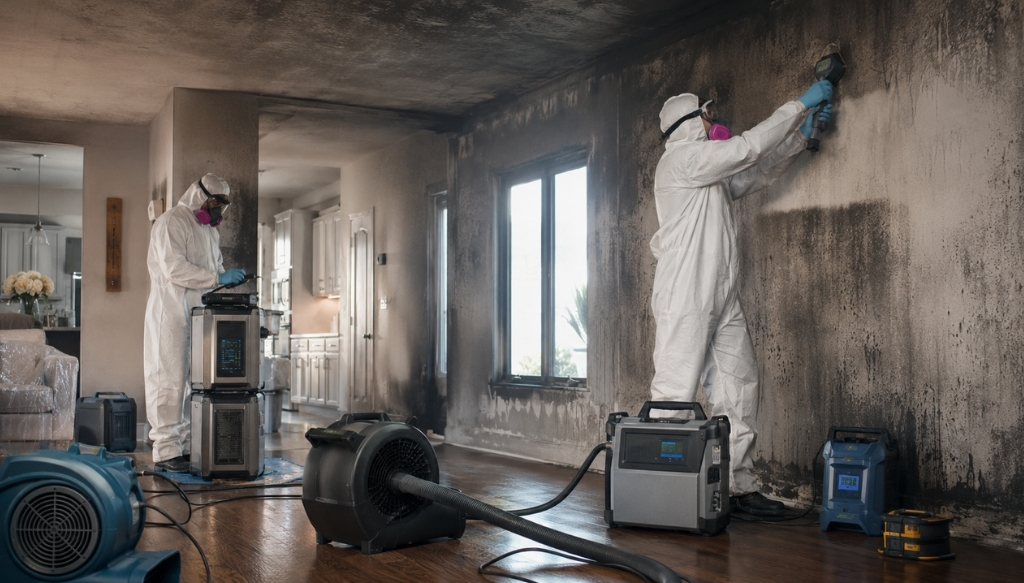
Our team takes care of it all, beginning with a thorough initial assessment and containment, moving into advanced mold removal with HEPA vacuums, air scrubbers, and specialized cleaning agents, and finishing with complete post-remediation air quality verification.
If you are heading into your first rainy season after remediation or already seeing warning signs of recurrence, call Bio Clean, Inc. today at (888) 412-6300. The window to act decisively is always shorter than it looks.