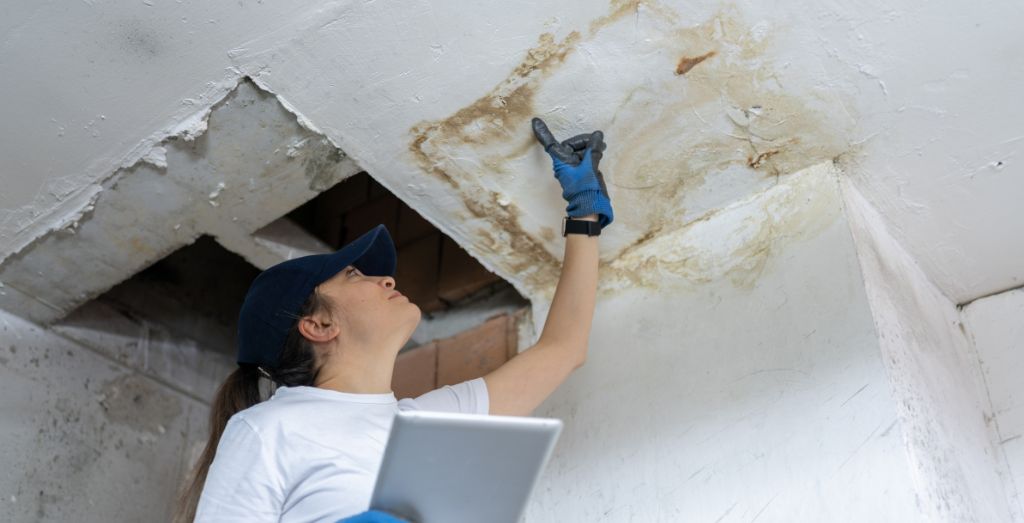
Water does not announce itself before it destroys your home. One slow leak, one burst pipe, one backed-up drain, and within hours, your floors are buckling, your walls are saturated, and a biological process is already underway that no towel or fan will reverse. What you see is never the real damage; it’s happening silently in your walls and under your floors, adding up every hour you wait.
Water damage restoration 24 hours after the event is the only window in which most of that destruction can still be stopped, and Bio Clean, Inc. is available around the clock across Washington to make sure you don’t miss it.
This blog breaks down what really goes on in your home after water intrusion, why every hour matters more than you think, and what makes the difference between a full recovery and a permanent loss.
What Happens in the First 24 Hours After Water Damage?
Most people see water damage as a surface problem. It isn’t. Within the first hour, water is already moving by capillary attraction, putting itself into drywall, subfloor, insulation, and wooden framing through microscopic pathways you can’t see and can’t stop with a mop.
How Quickly Does Water Spread Through a Home?
Water follows the path of least resistance, and in a home, that means everywhere. Carpet padding absorbs water within minutes. Drywall takes about an hour or two to start absorbing moisture. Hardwood floors start to show stress after two to four hours. Water usually reaches structural framing within six hours.
What Materials Are Affected First?
| Material | Damage Timeline |
| Carpet & padding | Within 1 hour |
| Drywall | 1–2 hours |
| Hardwood flooring | 2–4 hours |
| Insulation | 3–5 hours |
| Wood framing & subfloor | Within 24 hours |
Why Do Odors and Toxins Linger?
Trapped moisture speeds bacterial and organic decay. That musty odor is not only unpleasant, but it’s a sign of active microbial growth already growing in your building materials. Without emergency water damage cleanup, those odors can persist for months even after the visible water is gone.
Why Is the 24-Hour Window So Important?
Here is what no one tells homeowners upfront: water damage does not plateau; it accelerates. The damage curve climbs steeply after the first 24 hours, and several types of harm become irreversible.
According to FEMA, mold can begin forming on damp surfaces in as little as 24 to 48 hours. Once mold sets in, remediation is a whole other process that is much more complicated, layered on top of the restoration itself.
Beyond mold, hardwood floors begin permanent warping, drywall loses structural integrity and requires full replacement, and subfloor materials start to delaminate. These are not repairs; they are replacements. That distinction alone is why you must act fast after water damage.
Water damage restoration 24 hours after the event is not just faster, it is categorically different work. That window is a time to save materials. To lose them is to replace them.
Every hour you wait, water is not sitting still; it is moving, absorbing, and destroying materials that could have been saved.
How Does Delayed Restoration Increase Damage?
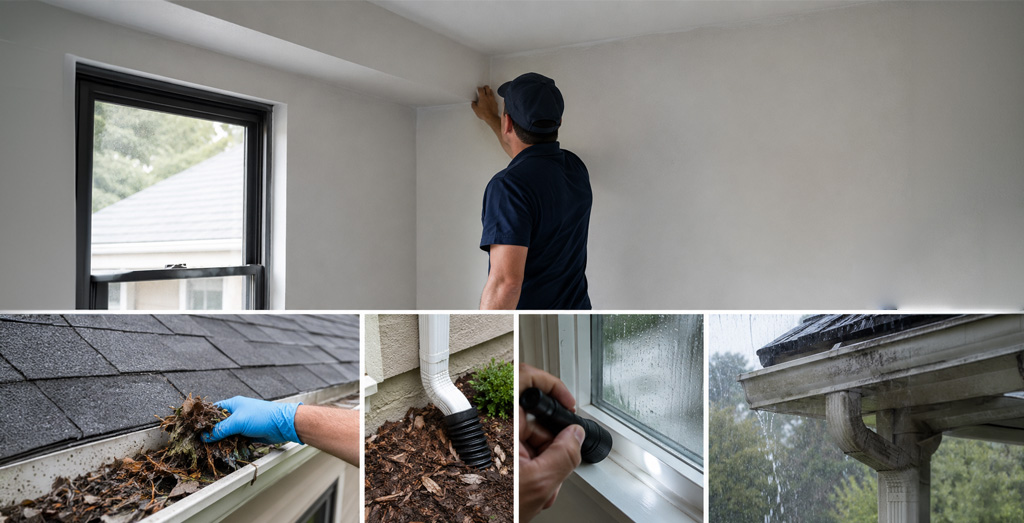
That’s why delays are so dangerous. It’s the hidden damage. Moisture pockets develop silently behind walls and beneath floors, decaying wood studs, corroding metal fasteners, and destroying insulation, all without a single visible sign. It rarely is.
Standing water also becomes contaminated water over time, absorbing bacteria, chemical residues, and, in some cases, sewage particles. The longer it sits, the more those contaminants soak into porous materials, turning a restoration job into a decontamination process. This is precisely why water damage response time is not a preference; it is a determining factor in the entire scope of work required.
What Are the Risks of Mold Growth After Water Damage?
Water damage mold prevention has one real strategy: speed. Mold needs moisture, a food source like wood or drywall, and warmth. A home with water damage provides all three, and right away.
- Air quality deterioration: Once spores enter your HVAC system, the problem is no longer contained to the damaged room. Rooms that never saw water become affected, which is exactly why water damage mold prevention cannot wait until mold is already visible.
- Health consequences: Coughing, skin irritation, and worsening asthma are where it starts. For people with compromised immunity or prolonged exposure to toxic strains, the symptoms go much further than that.
- Structural spread: Mold does not stay where it starts. It branches into surrounding materials daily, turning a contained problem into a property-wide remediation job.
There is no negotiating with mold once it establishes itself. The only winning move is preventing water damage from spreading before mold ever has the chance to begin.
Why Isn’t DIY Water Cleanup Enough?
Towels and a household fan address what you can see. Water damage lives where you cannot see it.
- Missing equipment: Most homeowners don’t have access to industrial wet/dry vacuums, commercial dehumidifiers, air movers, thermal imaging cameras and moisture meters. Hidden moisture, if not used, goes undetected.
- Incomplete drying: This is the most dangerous outcome of DIY cleanup. A surface that appears dry can contain a great deal of moisture within the material. That moisture turns to mold behind a wall six weeks later, and now the scale of the repair is multiplied.
- Contamination risk: If the water source involves sewage or chemicals, improper handling spreads contaminants further into the property and poses direct health risks.
The difference between saving your floors and replacing them often comes down to a single decision made within the first few hours.
How Do Professionals Respond Within the First 24 Hours?
When our team at Bio Clean, Inc. arrives, the work does not follow a checklist, it follows the damage. Every job demands a different approach, but the goal of professional water restoration services is always the same: stop the spread, extract completely, and dry thoroughly before hidden moisture causes secondary damage.
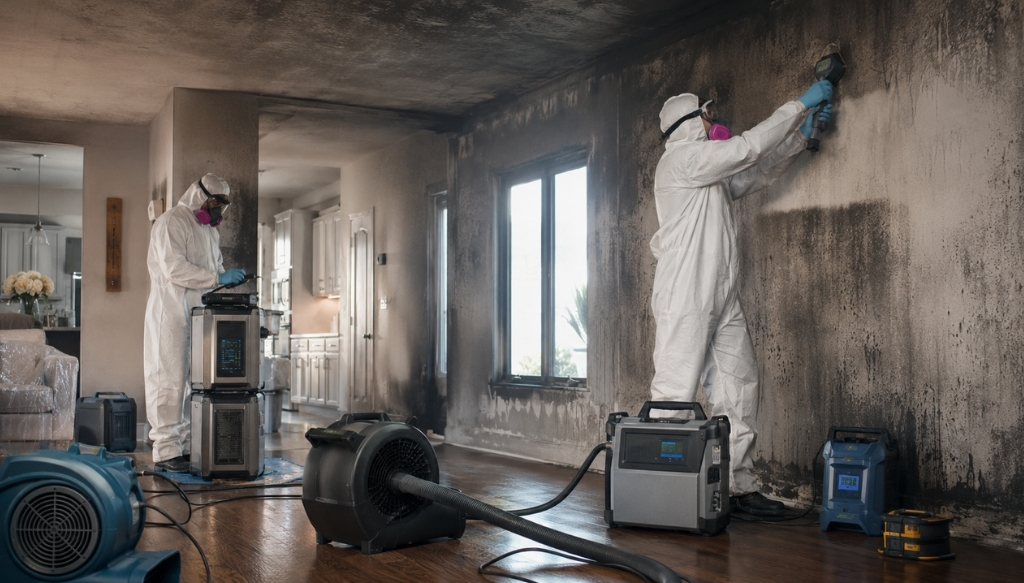
Industrial-grade extraction equipment removes standing water at a rate consumer tools simply cannot match. Once water is extracted, commercial air movers and dehumidifiers are deployed to pull moisture out of walls, floors, and air simultaneously, not sequentially. This parallel approach is what compresses water damage response time dramatically.
Critically, thermal imaging cameras and moisture meters locate every hidden pocket of moisture before the job is considered complete. This is the step that distinguishes a true restoration from a surface-level clean-up that allows problems to resurface weeks later.
What Are the Benefits of Immediate Professional Restoration?
Acting fast with professional water restoration services directly determines what can be saved versus what must be replaced. If hardwood floors are lifted and dried within hours, they can often be saved completely. Usually, the same floors left for 48 hours will have to be replaced entirely.
Fast intervention also saves the structural components of your home, framing, subfloors, and load-bearing elements, from the more serious moisture penetration that requires much more extensive repair. It also compresses your total recovery timeline from weeks to days, and it creates the thorough documentation your insurance company will require.
How Does Quick Action Impact Insurance Claims?
A delay in action is one of the most common reasons for a reduction or dispute of a water damage claim. Insurers prefer a quick response, and if documentation can show a lag between the event and professional intervention, adjusters may point to negligence as the cause of excess damage, not the original event.
- Required documentation: Timestamped photos, moisture readings, and a certified professional assessment are the minimum your insurer will ask for. Missing any of these gives them room to question your claim.
- What Bio Clean, Inc. provides: From the time we set foot on the location, our team fully documents the damage. We take care of the insurer for you, so you don’t have to do this while you are already dealing with a stressful situation. Claims aren’t disputed when you have a fast water damage response time and detailed reporting.
- The risk of waiting: When there is a gap between the incident and professional response, adjusters can and do argue that the additional damage resulted from inaction, not the original event.
What Should You Do Immediately After Water Damage Occurs?
- Shut off the water source immediately if it originates from a pipe or appliance.
- Cut power to affected areas only if it is safe to do so, do not enter electrically hazardous zones.
- Remove portable items from standing water to limit secondary damage.
- Do not run ceiling fans if the ceiling above is wet, structural integrity may already be compromised.
- Call a professional immediately, do not wait to see if it dries on its own.
Equally important is what not to do: don’t use a standard household vacuum on standing water, don’t assume a surface is dry because it looks dry, and don’t attempt mold remediation without certified equipment and training.
Act Now, Before Water Damage Writes the Outcome for You
Water damage follows a predictable trajectory. Within 24 hours, salvageable materials become replaceable ones. Within 48 to 72 hours, hidden structural damage and mold growth redefine the entire scope and cost of restoration. The 24-hour rule is not a guideline. It is the single-most important factor in determining how much of your home survives.
Bio Clean, Inc. is a family-owned, certified biohazard and water damage restoration company serving communities across Washington, including water damage restoration in Seattle, Bellevue, Renton, Everett, and Bellingham, WA. Our team extracts, dries, dehumidifies, assesses the structure and documents for insurance with the expertise and urgency these situations require.
If water has entered your home, every hour matters. Call Bio Clean, Inc. now at (888) 412-6300, our team is available 24/7 and ready to respond before the damage does.