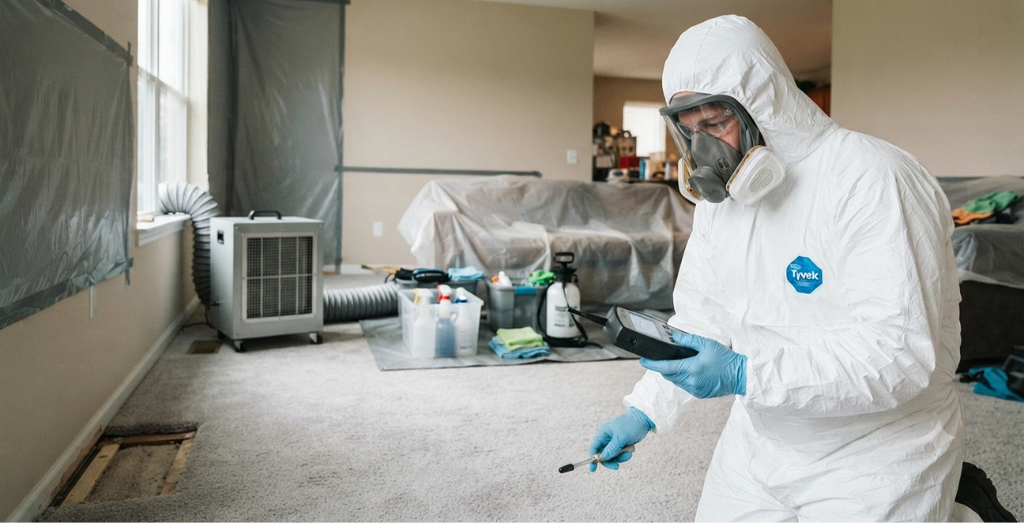
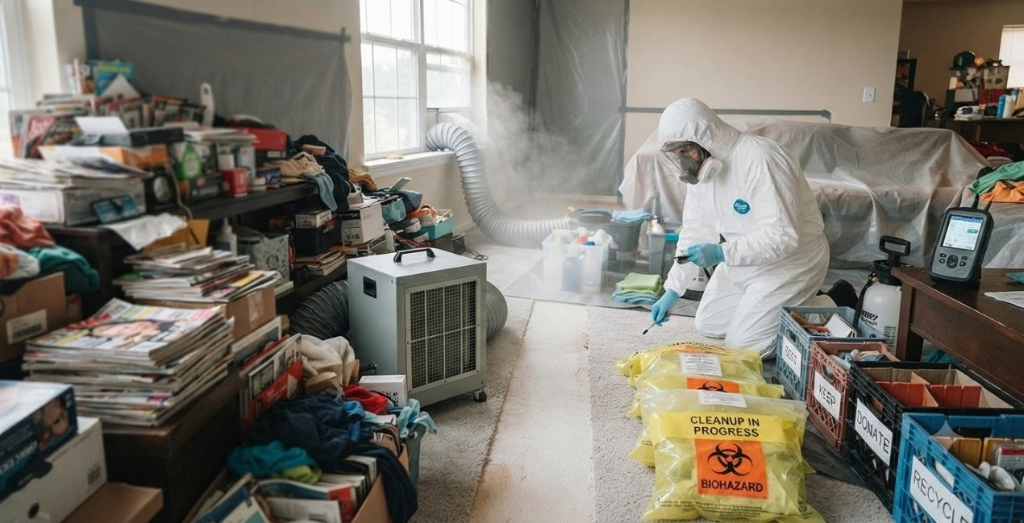
A hoarded home doesn’t announce itself like a fire or a flood. It builds quietly, room by room, until the clutter isn’t just an eyesore anymore; it actively undermines the air quality, hygiene, and safety of the space. That’s exactly why hoarding cleanup looks nothing like a weekend decluttering project. It’s a structured, careful process, and getting it wrong (or skipping steps) can leave a property looking better on the surface while the real problems like dust, mold, odors, even biohazards stay buried underneath.
If you’ve ever wondered what professional hoarding cleanup actually involves and why indoor air quality after hoarding matters as much as the clutter itself, this is worth reading start to finish.
How Hoarding Can Change Indoor Air Quality
Blocked hallways and closets restrict airflow and make normal cleaning nearly impossible, letting dust, moisture, odors, and contaminants build up together over time.
1. Dust, Allergens, and Airborne Particles
Household dust and allergens build up fast once a room fills up, and moving things around sends that dust straight back into the air. The EPA points to source control, ventilation, and filtration as key strategies, and notes HEPA-filtered vacuums help limit how much dust escapes during cleaning. In a heavily cluttered space, though, that’s not an option until you have room to move.
2. Mold, Mildew, and Moisture Problems
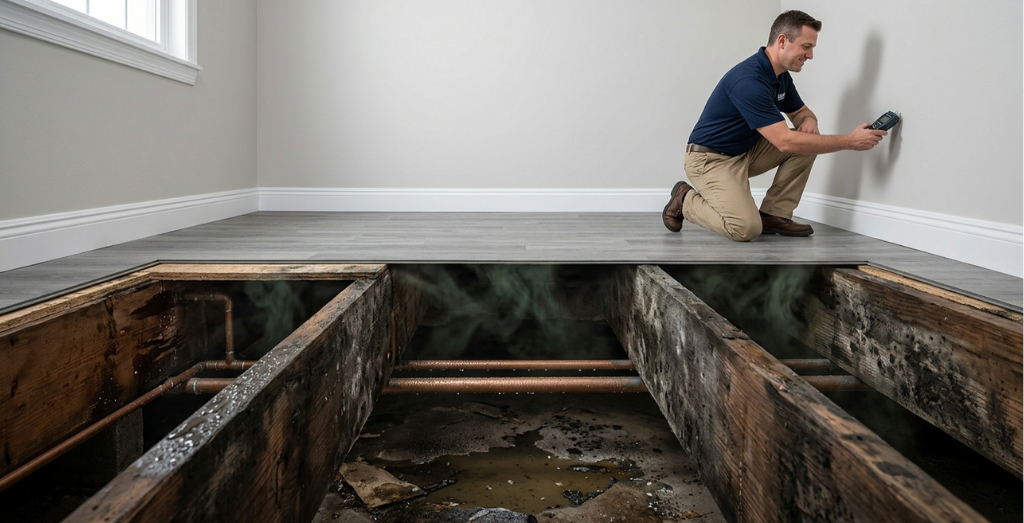
Clutter hides the small things worth catching early: a slow leak, a damp patch, hidden condensation, and, left alone, moisture that quickly turns into mold and mildew contamination.
| EPA Recommendation | Why It Matters Here |
| Keep humidity between 30% and 50%, never above 60% | Clutter traps moisture and blocks the airflow needed to regulate it. |
| Dry wet materials within 24 to 48 hours | Water damage often goes unnoticed behind stored belongings. |
Quick tip: musty smells or visible growth need attention right away, not a cover-up.
3. Odors and Harmful Air Contaminants
Odors rarely come from one source; decaying materials, spoiled food, animal waste, and mold can all contribute, and they settle deep into porous belongings.
That’s why odor removal after hoarding works best as part of the full cleanup, not a last-minute spray. Removing the source beats masking it every time.
Hygiene Risks Found in Hoarded Properties
Once a property reaches a certain level of clutter, basic hygiene becomes genuinely difficult to maintain. Surfaces that should be cleaned regularly go untouched, and whatever’s underneath the mess stays hidden.
1. Bacteria and Biohazard Exposure
Some hoarding sanitation service situations go beyond clutter into biological hazard territory. Bio Clean specifically notes that its professional hoarding cleanup work addresses biohazards, including feces, mold, and decay, when they’re present.
That’s what separates biohazard hoarding cleanup from ordinary decluttering. It’s not just about volume anymore; it’s about whether the property is carrying contamination that needs to be handled properly and safely.
2. Pest Infestations and Contamination
Heavy clutter gives pests exactly what they need: hiding spots, nesting material, and easy access to food. Once an infestation takes hold, droppings and nesting debris become part of what you need to clean up, not just the clutter itself.
| What You Notice | What It May Signal |
| Persistent musty smell | Moisture buildup or early mold growth |
| Heavy dust across multiple rooms | Long-term accumulation with limited cleaning access |
| Droppings or nesting material | Active pest contamination |
| Visible decay or waste | A possible biohazard concern |
| Blocked hallways or exits | A real safety and access problem |
| Odors that persist after basic cleaning | Contamination likely trapped in porous materials |
Health Effects of Living in a Hoarded Environment
No two hoarded homes carry identical risks, but clearing the environment removes obvious sources of exposure and makes normal upkeep possible again.
1. Respiratory and Allergy Symptoms
Dust, mold, and other pollutants can aggravate respiratory issues and existing allergies, and the EPA lists indoor air pollution as a contributor to respiratory problems and worsening asthma.
That connection carries weight. CDC data released in 2026 found that roughly 3 in 10 U.S. adults and children reported at least one seasonal allergy, eczema, or food allergy in 2024. That doesn’t mean hoarding causes allergies, but it helps explain why cutting avoidable indoor irritants matters, especially for people already dealing with respiratory sensitivity.
2. Long-Term Wellness Concerns
What long-term exposure means depends entirely on what’s in the home and for how long, whether that’s reduced airflow, hidden moisture, pests, dust, or biological contamination.
Indoor hygiene restoration isn’t about diagnosing a health condition. It’s about clearing the conditions that make a home unsafe to occupy.
Why Basic Household Cleaning Often Falls Short
There’s a real difference between tidying up a messy room and addressing a property where clutter has crossed into a hygiene and safety problem.
1. Hidden Contamination Remains
Once belongings cover every surface, contamination hides underneath, behind, and between things. Odors settle into porous items too. Clearing the visible mess alone often leaves the actual root causes untouched.
2. Safety Challenges During Cleanup
Severely cluttered homes can combine physical and biological hazards. Narrow paths, unstable stacks, sharp debris, mold, decay, and pest waste all make cleanup more complicated than it looks from the doorway. A professional assessment maps out what needs attention and how to move through it safely.
What Professional Hoarding Cleanup Looks Like
Professional hoarding cleanup service isn’t just bags and empty rooms. It’s a structured process built around both the property’s condition and the people connected to it.
Step 1: Property Assessment and Safety Planning
Nothing gets moved or thrown out until our crew has walked the property. Every hoarding remediation situation looks different, so we build the plan around what’s really there, not a one-size-fits-all checklist. Families are often already stretched thin emotionally by the time they call, and we keep that in mind from the first conversation onward, with a discreet, judgment-free approach throughout.
Step 2: Clutter Removal and Sorting
From there, we sort belongings into keep, donate, and dispose piles. This part takes patience, because not everything is treated as garbage just because it’s in the way. Letting the property owner make those calls, rather than rushing through it, is what keeps the process from feeling invasive.
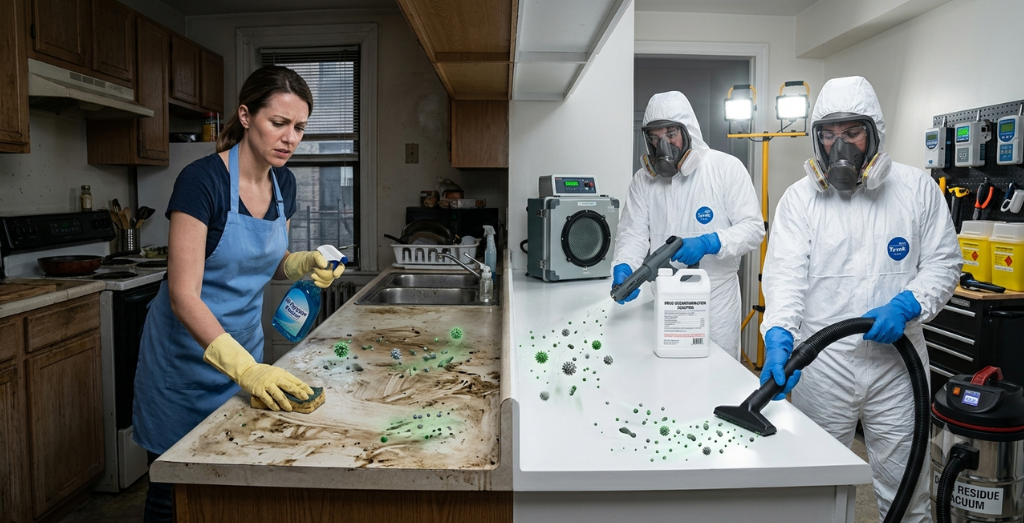
Step 3: Deep Cleaning and Sanitization
Once there’s actual room to work, the deeper cleaning starts. Surfaces get sanitized, and if hazardous materials or biohazards turn up along the way, they’re addressed as part of the same process. This is really where deep sanitization earns its place; it’s not an extra step tacked on at the end.
Step 4: Odor Removal and Air Quality Restoration
Smell tends to outlast the mess itself, especially once it’s soaked into porous materials. Bio Clean handles this through industrial deodorizing rather than a quick air freshener fix, aiming for actual air quality improvement instead of a scent that fades in a week.
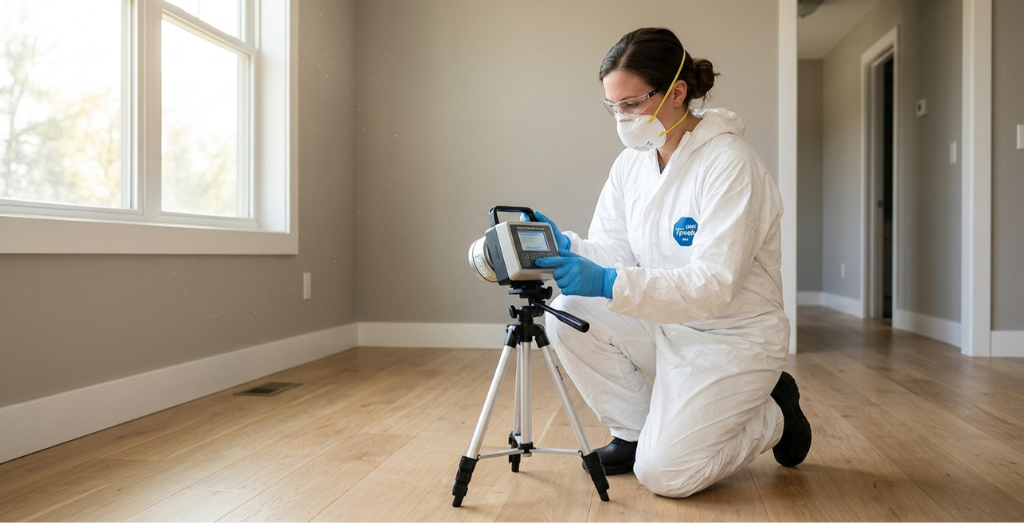
Step 5: Final Hygiene Review
A cluttered room looking different isn’t the same as a job being finished. The last step is checking whether the work actually solved what it set out to solve.
Post-cleanup checklist:
- Major clutter removed and sorted
- Accessible surfaces thoroughly cleaned
- Identified biohazards addressed
- Persistent odors treated
- Previously blocked areas now accessible
- Moisture or contamination concerns identified
- Property can return to normal cleaning routines
What Professional Hoarding Cleanup Can Accomplish
A cleaner-looking property is the easy part to notice. The real value runs deeper than that.
Professional hoarding cleanup services can:
- Restore access to rooms and hallways
- Cut down accumulated dust and debris
- Address biohazards and hazardous materials
- Improve overall household hygiene
- Remove persistent odors for good
- Make the space easier to maintain going forward
- Return the property to a safer, more functional state
There’s a human side to this too. Bio Clean describes its approach as discreet, compassionate, and non-judgmental, using unmarked vehicles for hoarding cleanup in Seattle and Everett, and working alongside families, social workers, and therapists when appropriate and with consent. A cleanup should solve the property’s problem, not add to the person’s.
Keeping Indoor Hygiene on Track After Cleanup
Getting the property back in shape is only half the job. Keeping it that way is what actually prevents things from spiraling again.
- Keep pathways and exits clear. Easy access makes routine upkeep realistic.
- Handle leaks right away. Moisture shouldn’t sit hidden behind belongings again.
- Watch humidity levels. Stay within the EPA’s recommended 30% to 50% range.
- Stick to regular cleaning habits. Small, consistent effort beats letting things pile up again.
- Notice odors or pest activity early. Sudden changes are usually worth investigating.
- Give kept belongings a real place. Organized storage prevents the slow slide back into piles.
When a Property Needs More Than a Cleaning
Not every hoarding situation ends with sorting, sanitizing, and deodorizing. Some properties have sat untouched long enough that the damage runs deeper than what surface cleaning or decluttering can fix, and that’s where hoarding remediation comes in.
| Situation | What It Often Requires |
| Long-neglected inherited property | Structural inspection alongside deep cleaning, since damage may have gone unnoticed for years |
| Rental unit left in severe condition | Biohazard remediation plus property restoration before it’s fit to re-list |
| Eviction cleanout with extensive buildup | Full clutter removal combined with sanitation and hazardous material handling |
| Property inaccessible for an extended period | Structural repairs where flooring, walls, or fixtures have been affected |
At Bio Clean, we firmly believe that severe hoarding home cleaning can involve hazardous materials and structural repairs, which is where our broader biohazard remediation and property restoration work comes into play. In other words, cleanup and repair aren’t always separate jobs; sometimes they need to happen together for the property to be livable again.
For families and property owners facing one of these tougher situations, that’s exactly why choosing a provider equipped for both the cleanup and what comes after it matters more than it might seem at first glance.
A Healthier Home Begins With a Thoughtful Reset
Hoarding cleanup was never really about appearances. It’s about clearing out the dust, moisture, odors, pests, and biohazards that quietly make a home difficult to live in, and about giving people a genuine reset rather than a surface-level fix.
That’s exactly the gap Bio Clean, Inc. was built to close. As a hoarding cleaning company serving Seattle, Everett, Marysville, Bothell, Tacoma, Olympia, Bellingham, and the surrounding Washington communities, Bio Clean brings together hoarding sanitation services, biohazard handling, and full hoarding home cleaning under one discreet, judgment-free process. Whether a property needs straightforward decluttering or falls into hoarding remediation territory with structural or biohazard concerns, the goal stays the same: restore safety, hygiene, and peace of mind, not just a cleaner-looking room.
If a property has become too much to manage alone, reaching out to Bio Clean, Inc. at (888) 412-6300 for professional hoarding cleanup is the first real step toward a safer, more livable home again.