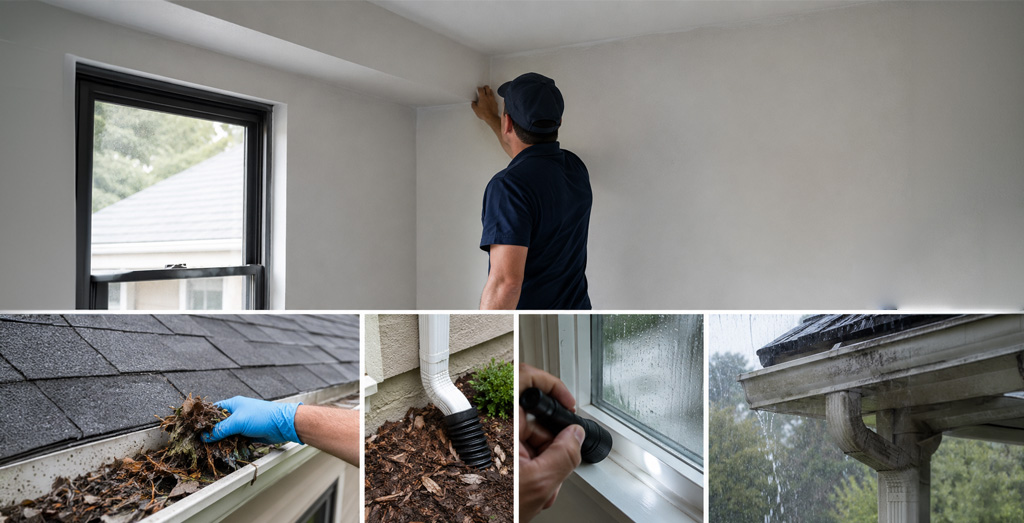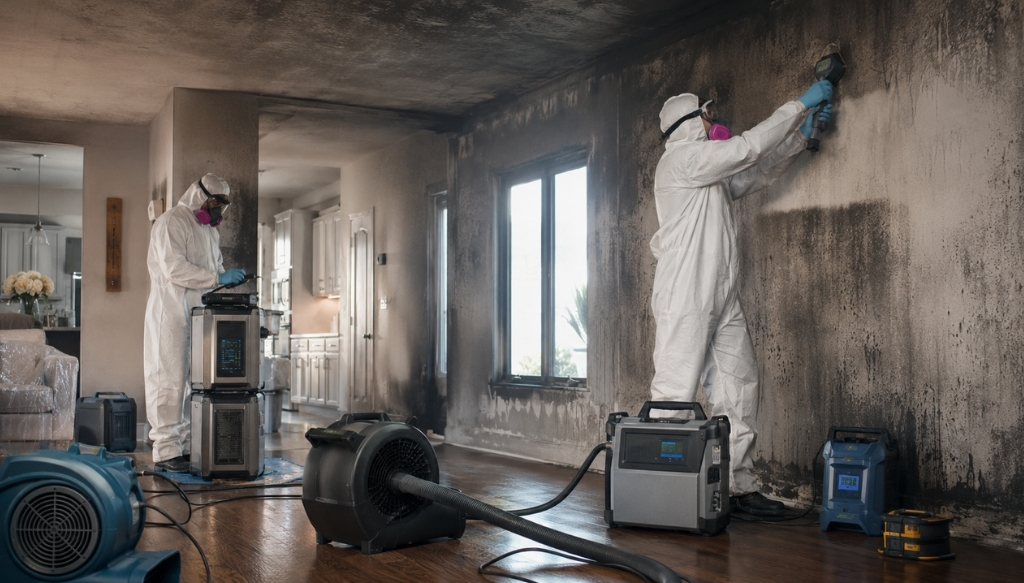
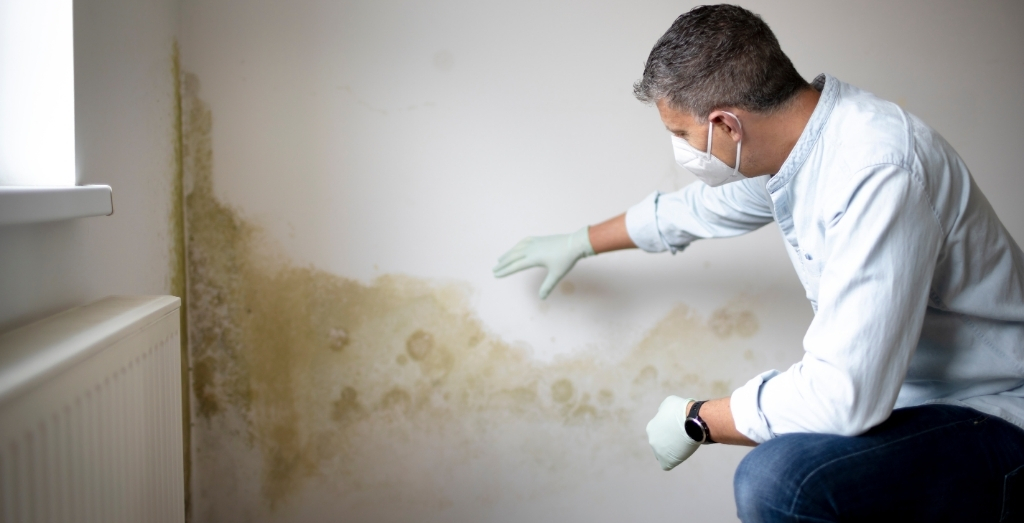
Most homeowners upgrading their insulation are thinking about lower energy bills and a warmer winter. Mold is the last thing on anyone’s mind when the contractor is packing up, and the house finally feels airtight. But across the Western Washington cities, that is exactly when some households start noticing something is off: a smell that was not there before, a wall that feels different, air that somehow feels heavier.
Across Seattle, Everett, Bellevue, Renton, and Bellingham, insulation upgrades are sealing homes tighter every year, quietly changing how moisture behaves indoors and increasing the need for mold remediation.
The Environmental Protection Agency reports that indoor humidity above 60% significantly raises mold risk. In the Pacific Northwest, that threshold is easier to cross than most homeowners expect.
How Can Modern Insulation Contribute to Mold Growth?
1. What makes modern insulation more airtight?
Spray foam, advanced membranes, and high-performance batts close gaps and stop air from moving through walls. That is what makes them efficient. But when the air stops moving, so does the moisture.
2. How does reduced ventilation affect moisture levels?
Older homes breathed through drafts, and that airflow quietly carried humid air out. Seal those pathways without adding mechanical ventilation, and every shower and cooked meal adds moisture that builds up with nowhere to go.
3. Why trapped humidity becomes a problem
Moisture without an exit condenses on the coolest surfaces in wall assemblies. The Centers for Disease Control and Prevention has documented that mold can begin growing within 24 to 48 hours on a damp surface. That narrow window is why mold remediation professionals emphasize prevention over correction.
What Types of Insulation Are Most Prone to Moisture Issues?
1. Is spray foam insulation a risk factor?
Spray foam resists water on its own, but if moisture is already inside a wall cavity when installation begins, the foam seals it in. Gaps around pipes and duct penetrations can trap condensation, which can go unnoticed for months.
2. How does fiberglass handle moisture?
Fiberglass absorbs moisture and holds it against wood framing, losing insulating value and keeping framing persistently damp, a real concern in humid climates like Bellingham or Everett.
| Insulation Type | Moisture Behavior | Risk in the Pacific Northwest |
| Spray Foam | Resists water but traps it if cavities are already damp | Moderate to high with improper installation |
| Fiberglass | Absorbs and holds moisture against framing | Moderate, higher in humid zones |
| Cellulose | Retains moisture for extended periods | Higher risk without vapor management |
3. Are there moisture-resistant insulation options?
Some materials perform better in damp conditions, but performance ultimately comes down to installation quality, proper vapor barrier placement, and a ventilation plan suited to the specific home and climate.
Why Does Mold Appear Soon After Insulation Installation?
1. Can pre-existing moisture cause immediate issues?
Yes. If a wall cavity already holds moisture from a slow leak or condensation, new insulation seals it into a warm, dark environment where mold can begin growing within days.
2. How does improper installation trap water?
Gaps around electrical boxes, vapor barriers on the wrong side of the assembly, or unsealed pipe penetrations redirect condensation into insulation layers. Small installation errors with outsized consequences.
3. What role does weather play during installation?
The National Oceanic and Atmospheric Administration places Seattle at over 150 rainy days per year. In Renton, Bellingham, and across the South Sound, installation during wet conditions introduces moisture into open wall cavities before they are sealed. Scheduling around weather matters more than most homeowners realize.
What Are the Early Signs of Mold After Insulation Upgrades?
1. What visual signs should you look for?
- Dark or gray staining along walls, especially near corners or ceiling edges
- Discoloration where wall surfaces meet trim or vents
- Paint that is bubbling, peeling, or separating from the surface beneath it
2. Why do odors often appear before visible mold?
Mold releases gases as it grows, and the musty smell arrives well before visible staining. It is usually the earliest signal that something is developing inside a wall.
Quick Tip: A new smell within weeks of insulation work is a warning, not an inconvenience. Early detection keeps remediation manageable.
3. How health symptoms can signal a problem
Persistent congestion, itchy eyes, and recurring headaches that appeared after a home upgrade are worth taking seriously. These are common responses to elevated spore counts in homes with limited air circulation.
How Does Poor Ventilation Increase Mold Risk?
1. What areas are most affected by poor ventilation?
- Attics, where heat and moisture accumulate against the roof deck
- Crawl spaces with limited air exchange and ground moisture exposure
- Bathrooms and kitchens where steam is generated throughout the day
2. How do HVAC systems influence moisture control?
A system sized for a drafty older home may not manage humidity after a major insulation upgrade. Adding industrial dehumidifiers, mold-removal capability, or upgrading ventilation is sometimes necessary for the project, not an optional extra.
3. Why airtight homes need balanced ventilation
Sealing a home without replacing its natural air exchange can lead to moisture accumulation. Mechanical ventilation and controlled airflow are the core of sound practices for preventing mold in humid areas in this region.
Why Isn’t Mold Always Visible After Insulation Installation?
1. Where does hidden mold typically develop?
- Behind drywall, on wood studs, and the paper face of wall panels
- Within insulation batts pressed against cool exterior walls
- Under the flooring, where vapor has condensed on the subfloor
2. How can undetected mold spread over time?
Air movement carries spores from the original colony to new surfaces, while the moisture source continues to feed growth. Weeks can pass with no visible signs while the problem expands behind walls.
3. What tools do professionals use to find hidden mold?
Certified teams combine moisture meters, thermal imaging, and air quality sampling. This is how advanced mold remediation techniques and reliable mold air quality solutions go well beyond what a visual inspection alone can reveal.
When Should You Call for Professional Mold Remediation?
1. What situations require urgent action?
- A persistent odor that developed after insulation work and has not cleared
- Visible mold growth anywhere in the home, regardless of size
- A known history of water intrusion, even if previously repaired
- Health symptoms that appeared after the upgrade
2. Why basic removal methods may not be effective
Surface cleaning removes what is visible but leaves the root structure in porous materials. Without fixing the moisture source, the same conditions bring the same result.
3. How professionals ensure complete remediation
Whether the need for professional mold remediation is in Seattle, Bellevue, Everett, Renton, Seattle, WA, or the neighboring communities, a thorough process covers inspection, containment, removal, and clearance testing. Each step matters.
How Do Professionals Address Mold Caused by Insulation Issues?
1. Why pre-installation moisture checks matter
A moisture assessment before installation is the most effective prevention step. It identifies what is already in wall assemblies before anything is sealed. Skipping it is where most preventable mold removal cases in humid climates start.
2. How to ensure proper ventilation design
A ventilation plan built for a drafty older home will not work the same way after sealing. Air exchange rates, exhaust placement, and HVAC capacity all need to be reviewed after a major insulation upgrade.
3. What best practices contractors should follow
| Best Practice | What It Prevents |
| Moisture inspection before installation | Sealing existing dampness inside wall cavities |
| Weather-appropriate scheduling | Introducing ambient moisture during open-wall phases |
| Correct vapor barrier placement | Condensation forming at the wrong point in the wall assembly |
| Post-installation ventilation review | Ongoing humidity buildup in a newly sealed home |
A Tighter Home Still Needs to Breathe
Insulation upgrades deliver real value, but the Pacific Northwest’s climate leaves little margin for error when it comes to moisture. In the Puget Sound region, a sealed home without proper ventilation can shift from energy-efficient to mold-prone in weeks.
Bio Clean, Inc. is a Washington-based, family-owned remediation company serving the region since the late 1990s.
Our certified team provides professional mold remediation services tailored to the specific demands of this climate in areas such as Seattle, Bellevue, Everett, Renton, and Bellingham. If something has felt off since your insulation was installed, do not wait. Visit biocleanwa.com or call (888) 412-6300.