
Mold on bathroom ceiling corners, dark patches on shower walls, or a musty smell you cannot place: sound familiar? Damp climates like the Pacific Northwest give mold everything it needs to spread. At Bio Clean, Inc., we deal with this often, and it takes more than a spray bottle to fix it for good.
Why Does Mold Grow So Easily in Bathrooms?
Bathrooms hold onto heat and moisture better than almost any other room, which is exactly what mold spores are waiting for.
- High humidity from long, hot showers
- Weak or missing bathroom ventilation
- Hidden plumbing leaks under sinks and/or behind walls
- Damp caulk and grout that hold onto moisture
- Cold tile condensation, a common trigger for mold growth in bathroom areas
How to Tell If You Have Bathroom Mold or Mildew
Bathroom mold does not always look the way people expect. Some patches are black and fuzzy, others flat, pink, or gray, and a musty odor is often the only warning sign before you spot anything. Pink or gray patches usually call for bathroom mildew removal rather than a deeper mold treatment.
Knowing where to look helps you remove mold from bathroom surfaces before it spreads:
Mold on bathroom ceiling above the tub or shower
- Mold on shower walls, especially in corners
- Mold in bathroom caulk around tubs and sinks
- Moldy grout cleaning along tile lines
- Behind fixtures and window frames
7 Effective Strategies to Clean Bathroom Mold
Mold cleanup is not just about scrubbing until a stain disappears. Whether you handle bathroom mold removal yourself or call in help, mold cleaning safety and fixing the root cause matter equally.
Fix the moisture source before you remove mold from bathroom tile or caulk.
- Wear gloves and eye protection for safety while cleaning mold.
- Clean tile and glass with a cleaner made for mold; mold removal from tile just takes patience.
- Never paint or caulk over mold. It keeps growing underneath.
- Replace moldy bathroom caulk that will not come clean for a truly mold-free bathroom.
- Dry every surface after you clean mold from hard surfaces, or mold returns.
- Recheck the area later to confirm the mold cleanup held.
How to Prevent Mold From Growing Back in Your Bathroom
Cleaning solves today’s problem. Bathroom mold prevention habits handle tomorrow’s.
- Run the exhaust fan after every shower
- Keep humidity in check with a dehumidifier
- Dry shower walls right after use; key for shower mold removal and shower mold prevention
- Clean regularly to stay ahead of bathroom mildew removal
- Check caulk and grout for cracks often
Stick with these, and they will prevent bathroom mold before it ever starts.
How to Prevent Bathroom Mold in a Washington Home
Washington’s rainy season keeps humidity high across the state for months, from Seattle to Bellingham, so bathrooms here need extra care.
- Run fans through the wet season for shower mold prevention
- Check window seals and caulk before winter sets in
- Watch for condensation on cold tile
- Book an inspection if humidity will not budge
Why Does Mold Keep Coming Back After Cleaning?
Recurring bathroom mold almost always traces back to one of these:
- The original moisture source was never fixed
- Ventilation is still too weak to clear humidity
- Mold is growing behind walls or in porous material, feeding mold growth in bathroom areas unseen
When Is Bathroom Mold a Sign of a Bigger Problem?
Some situations call for more than a weekend of scrubbing.
- Mold keeps returning no matter how often it is cleaned
- A musty smell persists with no visible mold in sight
- The bathroom has seen serious water damage, or mold has spread into drywall
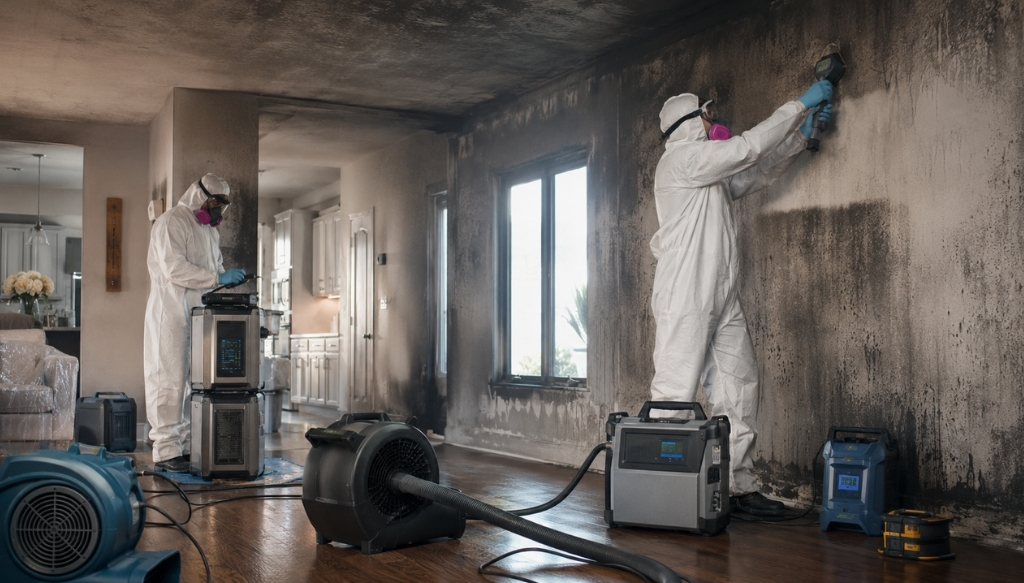
Bio Clean, Inc. handles cases like these with full bathroom mold remediation: inspection, containment, removal, and testing.
Call (888) 412-6300 for an inspection if any of this sounds like your bathroom.
DIY Cleaning vs. Professional Bathroom Mold Removal
| Situation | Best Approach |
| Small area on tile or glass | Clean mold from hard surfaces with a mold-specific cleaner; effective mold removal from tile |
| Mold on shower walls in grout lines | Moldy grout cleaning done carefully, with shower mold removal along the seams |
| Mold behind walls or flooring | Professional mold remediation |
| Recurring bathroom mold | An inspection to find the real source |
| Mold after a leak or flood | Professional remediation and full drying |
10 Bathroom Mold Prevention Tips Homeowners Can Start Today
- Run the fan during every shower.
- Wipe down wet surfaces after use.
- Keep a squeegee by the shower door
- Wash bath mats and curtains regularly
- Fix dripping faucets right away
- Check under sinks for leaks
- Leave the bathroom door open when possible
- Use a dehumidifier if the room stays damp
- Inspect caulk and grout every few months
- Call a professional if mold keeps returning
How Often Should You Clean Your Bathroom to Prevent Mold?
How often depends on humidity, ventilation, and household size. Wiping down wet surfaces after every use, plus regular bathroom mold cleaning for tile, grout, and caulk, covers most homes.
1. Keep Your Bathroom Dry, Clean, and Mold-Free
A mold-free bathroom is not achieved with one good scrub. It comes from small bathroom mold-prevention habits: running the fan, drying surfaces, checking caulk, and fixing leaks fast. Stay consistent.
2. Your Partner in a Healthier, Mold-Free Bathroom
Bathroom mold is one of the most common issues Washington homeowners face. Cleaning alone rarely solves it if the root cause remains. Bio Clean, Inc. offers thorough bathroom mold remediation backed by real bathroom mold cleaning expertise.
If mold keeps coming back in your bathroom, call Bio Clean, Inc. at (888) 412-6300 to find out why.