A house doesn’t have to look dirty to hide a problem. Fresh paint, spotless floors, and an empty room with the windows thrown open don’t tell you whether the air is actually safe to breathe. If a property once housed methamphetamine or fentanyl activity, the chemicals involved can outlast the activity itself, settling into walls, flooring, and ductwork long after anyone would think to look twice.
That’s residual chemical contamination in a nutshell: invisible, persistent, and easy to miss until someone actually tests for it. It’s also exactly why indoor air quality during drug remediation deserves more attention than a quick walkthrough. Chemical contamination testing turns a guess into a fact, and for homeowners, landlords, buyers, and property managers across Washington, that fact can be the difference between a property that looks clean and one that’s genuinely safe. Let’s break down exactly what that looks like.
What Is Residual Chemical Contamination?
Residual chemical contamination is what’s left behind after drug use or production ends. It’s not the drugs themselves so much as the chemical byproducts, which can cling to surfaces, soak into materials, and travel further into a building than most people expect.
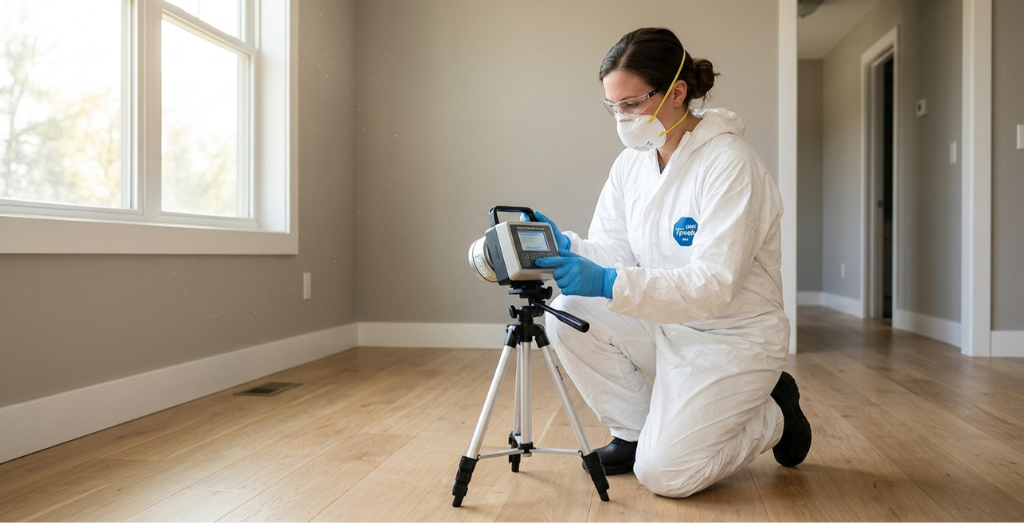
Bio Clean, Inc. approaches this through certified sampling for methamphetamine and fentanyl contamination, followed by laboratory analysis. That step matters, because it turns a guess into a measurable fact before anyone decides what remediation is actually needed.
1. Common Sources of Chemical Residue
Contamination tends to show up in a fairly predictable set of places:
- Areas with a history of methamphetamine production or use
- Spaces where fentanyl or other narcotics were used
- Contaminated household dust that settles across a room
- Frequently touched surfaces like countertops, door handles, and cabinets
- Porous materials such as carpet, drywall, and upholstery
- HVAC components that circulate air throughout the building
None of these require visible staining or odor to be a concern. That’s why chemical contamination testing exists: appearance simply isn’t a reliable indicator.
2. Why Residues Remain Long After Drug Activity
The source can disappear while the residue stays behind. Washington’s decontamination standard for methamphetamine is set at 1.5 micrograms or less per 100 square centimeters, a threshold specific enough to make clear that this isn’t something you can eyeball. Once chemicals settle into porous surfaces or hard-to-reach corners, they can remain there indefinitely unless someone actively removes them.
How Drug Contamination Can Affect Indoor Air Quality
Indoor air quality during drug remediation services isn’t only about the surfaces you can wipe down. It’s about how contamination moves through a building once it’s there.
According to the EPA, people spend roughly 90 percent of their time indoors, and indoor levels of certain pollutants can run several times higher than what’s found outside. For a property carrying suspected drug contamination, that statistic alone should change how seriously the issue gets treated.
1. Airborne Chemical Particles and Dust
Everyday movement inside a home can be enough to stir contamination back into the air.
| What Happens | Why It Matters |
| Contamination mixes into household dust | Dust settles across surfaces and doesn’t stay contained to one spot |
| Everyday activity disturbs it | Walking through a room, vacuuming, or opening a window can send particles airborne again |
| Smaller particles travel further | The EPA notes inhalable particulate matter can affect the lungs and heart, with the smallest particles reaching deep into the respiratory system |
This is one reason professional remediation targets the source of contamination rather than just cleaning what’s visible on top.
2. Off-Gassing From Contaminated Materials
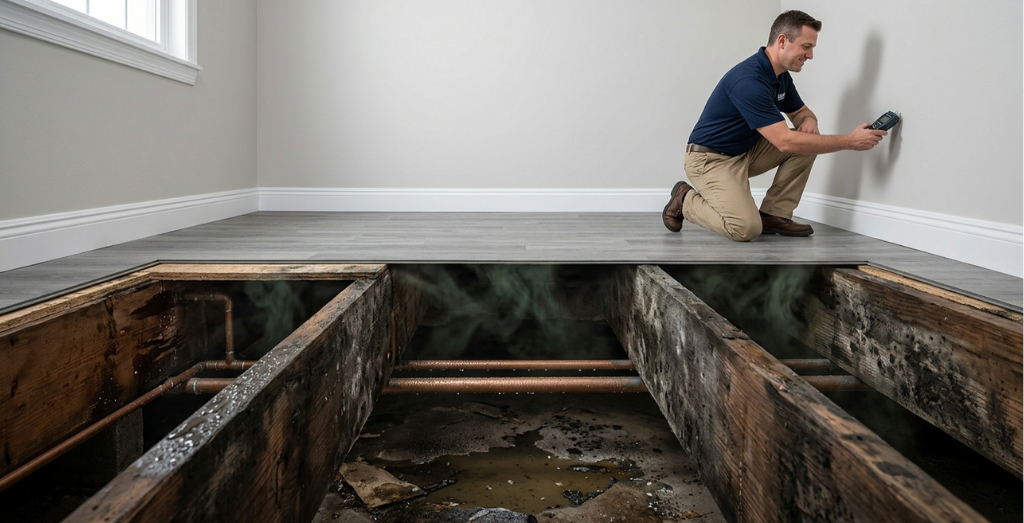
Some materials don’t just hold onto residue; they slowly release it. Depending on what was involved, volatile chemical compounds can migrate out of flooring, furniture, or insulation and back into the room over time, long after the original contamination event.
3. HVAC Systems as a Contamination Pathway
HVAC contamination is a particular concern because a ventilation system doesn’t respect room boundaries. If ductwork or components have picked up residue, cleaning the rest of the house won’t solve the problem; the system will keep redistributing it. This is exactly why indoor air quality after meth lab activity shouldn’t be judged by a walkthrough alone. Sampling tells you what’s actually moving through the air.
Health Concerns Associated With Poor Indoor Air Quality
Not every contaminated property produces the same symptoms, and outcomes depend heavily on the specific chemicals involved, their concentration, and how long exposure lasts.
1. Short-Term Symptoms
The EPA links exposure to indoor particulate matter with eye, nose, and throat irritation, along with the potential worsening of existing respiratory conditions. Separately, a CDC report on a former methamphetamine laboratory documented measurable contamination and health effects among occupants, though that case involved one specific property overseas and shouldn’t be read as a universal outcome.
2. Long-Term Exposure Concerns
Longer-term effects are harder to pin down precisely, since they depend on which substance was involved and how much exposure actually occurred.
- Health outcomes vary by chemical, concentration, and duration of exposure
- No two contaminated properties carry the same level of risk
- Assumptions about a space “seeming fine” don’t hold up without testing
That uncertainty is exactly why certified drug remediation services should be grounded in actual measurements, not guesswork.
Could Your Property Have Hidden Chemical Contamination?
A few situations are worth treating as a signal to look closer:
| Situation | Why It Matters |
| Documented history of meth or fentanyl activity on the property | Residue can persist well beyond the last known use |
| Property being listed for sale or rent after known drug activity | Buyers and tenants deserve verified, not assumed, safety |
| Previous cleanup with no formal clearance testing | Visual cleaning doesn’t confirm the property meets safety thresholds |
| Unexplained health complaints tied to a specific room or unit | Could point to airborne or surface-level contamination |
| Property involved in an insurance claim, dispute, or regulatory matter | Documentation from certified testing carries more weight than assumptions |
Owners and managers across communities like Seattle, Tacoma, Everett, Marysville, Bothell, Bellevue, Kirkland, and Olympia are increasingly treating this kind of testing as a standard part of due diligence, not an afterthought.
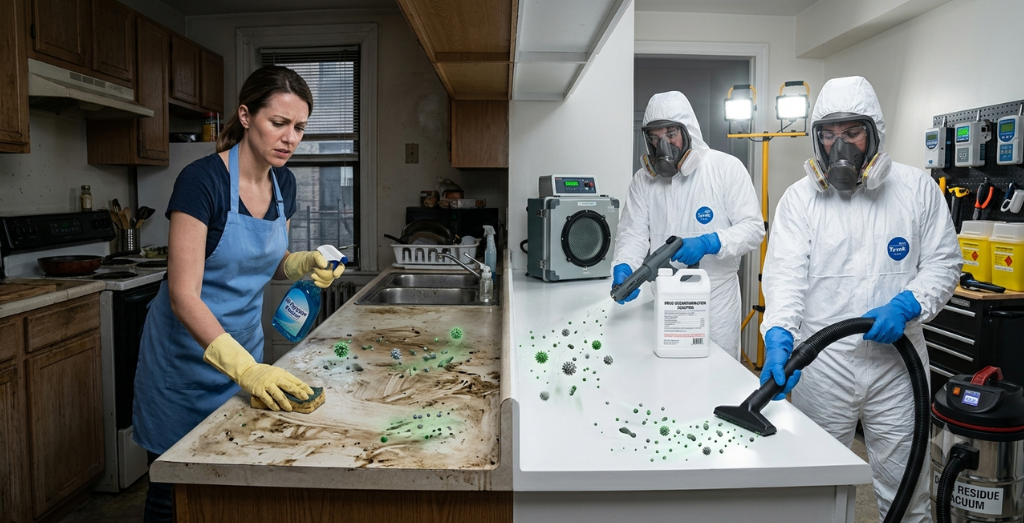
Why Standard Cleaning Is Not the Same as Drug Remediation Services
A property that looks clean and a property that’s been verified clean are two different things.
| Standard Cleaning | Certified Drug Remediation |
| Targets visible dirt and dust | Targets confirmed chemical contamination |
| Rarely detects hidden residue | Starts with environmental surface sampling |
| Doesn’t measure contamination levels | Relies on certified laboratory analysis |
| Skips affected materials that “look fine” | Remediation plan is based on actual test results |
| Ends when the surface looks clean | Ends with post-remediation clearance testing |
1. Surface Cleaning vs. Certified Drug Remediation Services
Drug residue removal isn’t a matter of scrubbing harder. Bio Clean’s process begins with sampling and lab analysis first, so the remediation work that follows is based on what’s actually in the building rather than a best guess.
What the Professional Drug Remediation Process Looks Like
2. Step 1: Certified Property Sampling
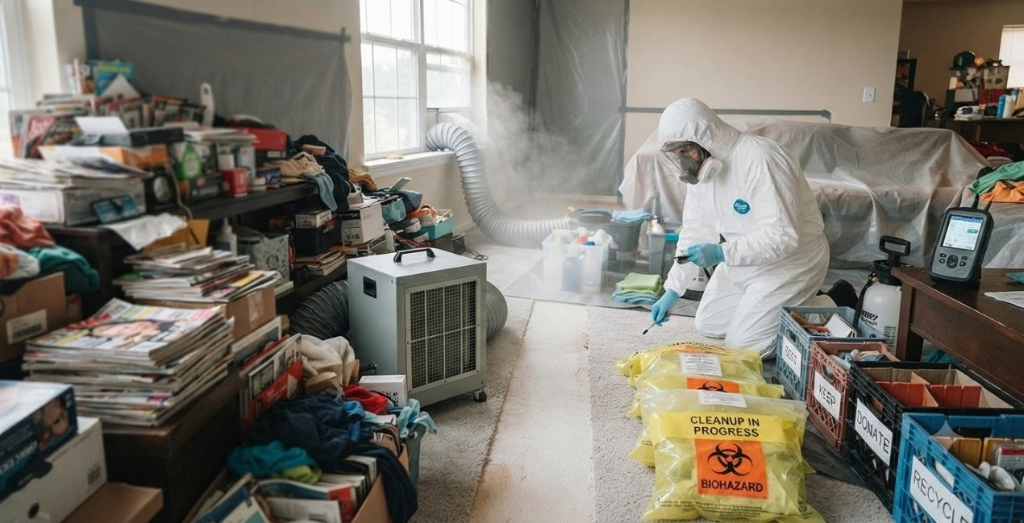
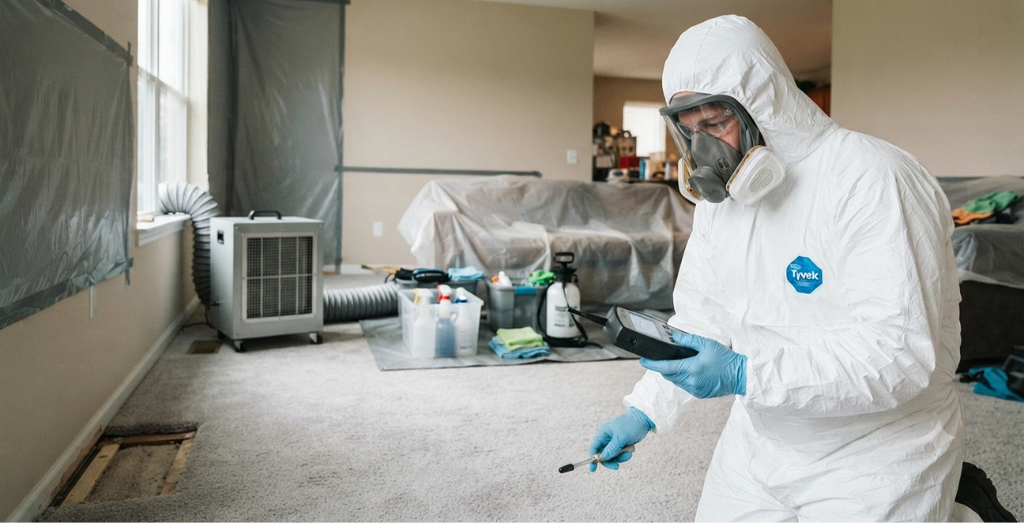
Everything starts with knowing what’s actually present. Bio Clean provides certified sampling focused on methamphetamine and fentanyl detection, paired with lab analysis to establish real contamination levels, an essential first move for any drug-contaminated property.
3. Step 2: Containment and Protection of the Indoor Environment
Once contamination is confirmed, the affected space needs to be managed so the remediation work itself doesn’t spread residue further. Bio Clean describes containment as part of its methamphetamine and fentanyl remediation approach, supported by specialized equipment and safety protocols.
4. Step 3: Removal and Decontamination of Affected Materials
From there, the actual remediation follows what the testing revealed. Bio Clean handles this across residential, commercial, vehicle, and multi-family properties, which makes the process relevant well beyond single-family homes.
5. Step 4: Post-Remediation Verification
Cleanup isn’t the finish line. Post-remediation clearance testing confirms the property has actually reached the required safety threshold, giving owners, landlords, and buyers something documented to point to, not just a visual impression.
Who Should Consider Drug Contamination Testing?
Contamination doesn’t only affect one type of property owner, and the list of people who benefit from testing is longer than most expect.
- Homeowners with known or suspected contamination history
- Landlords preparing a unit for new tenants
- Property managers overseeing a rental property contamination concern
- Buyers reviewing a property with a documented drug history
- Vehicle owners dealing with suspected residue
- Commercial property owners
- Agencies handling contaminated properties on behalf of others
A homebuyer environmental inspection can flag general concerns, but suspected drug contamination calls for dedicated sampling, not a routine walkthrough.
Protecting Indoor Air Quality After Remediation
Once remediation wraps up, keeping the air clean is an ongoing job. EPA guidance points to three core principles for indoor environmental safety: controlling pollution at the source, improving ventilation, and using proper filtration.
- Keep HVAC systems on a regular maintenance schedule
- Follow any post-remediation guidance specific to the property
- Avoid disturbing materials that haven’t been formally cleared
- Hold onto lab reports and clearance documentation
- Bring in property remediation specialists promptly if new concerns come up
Quick check: before anyone moves back into a previously contaminated space, confirm whether it was sampled, whether lab results exist, whether the remediation matched those results, and whether clearance testing was actually completed.
A Cleaner Property Starts With Knowing What Is There
Contamination has a way of hiding in plain sight. A room can look completely normal while methamphetamine residue, fentanyl residue, or other hazardous chemical contamination sits somewhere you’d never think to check. That’s the whole case for testing before assuming, and it’s exactly where residual chemical contamination becomes more than a technical term; it becomes a real question about whether a property is actually safe to live or work in.
This is also where the right partner makes all the difference. Bio Clean, Inc. has provided drug remediation services since 2001 and is certified by the State of Washington for this work, built specifically for situations that demand precision, not shortcuts. From fentanyl contamination testing to full meth residue cleanup, the process runs on sampling, laboratory analysis, certified drug remediation services, and clearance testing, with every step documented, nothing left to guesswork. That kind of thoroughness is what turns drug residue removal from a surface-level fix into a verified outcome you can actually stand behind.
If property drug contamination is a concern, Bio Clean, Inc. at (888) 412-6300 can get you answers grounded in real testing, not guesswork.