
Finding out that a property was used for drug activity is unsettling. What worries most owners is not what they can see, but what they cannot. That hidden layer is exactly why drug house decontamination depends so heavily on equipment.
At Bio Clean, Inc., we treat this as a hazardous materials job first, because that is what it actually is.
What Drug House Decontamination Actually Involves
Drug house decontamination is the process of finding, removing, and neutralizing residue left behind from drug activity. It sounds simple, but the details change everything.
Two Different Kinds of Contamination
A home where drugs were manufactured is not the same as one where drugs were simply used.
- Manufacturing sites leave chemical byproducts embedded in walls, carpets, and ventilation systems.
- Use-only properties tend to show contamination on surfaces that people touch repeatedly, such as countertops, doorknobs, and furniture.
Knowing which situation you are dealing with changes the entire drug house remediation plan, since each type of residue behaves differently once it settles.
Why Contamination Often Hides
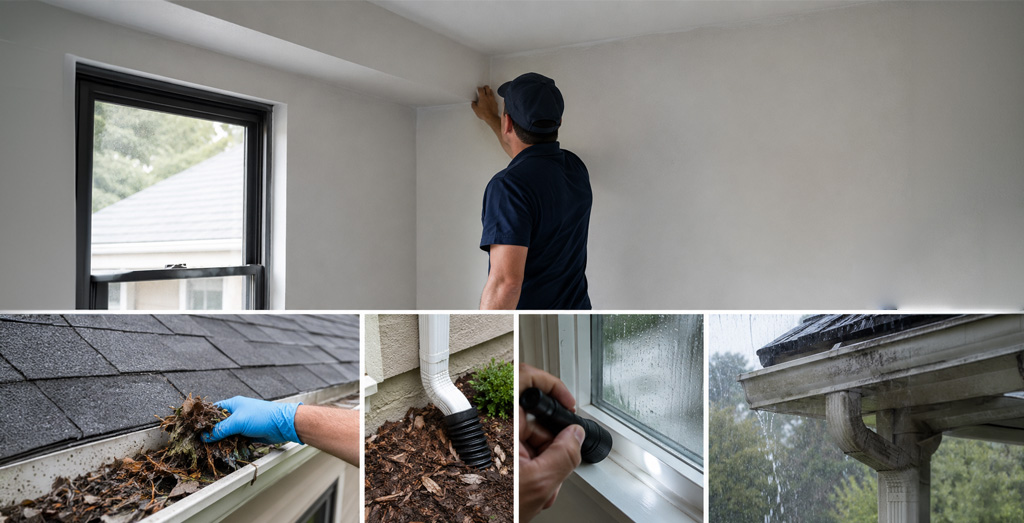
Moisture plays a bigger part than most people expect. Around the Puget Sound region, months of heavy rain pull airborne particles deeper into porous materials like drywall and insulation. Visible cleaning can miss what actually matters, which is one reason a proper contaminated property cleanup always includes lab testing rather than a quick visual check.
Why Household Products Fall Short
Regular sprays and wipes were never designed for this kind of job. They lift dust, not chemical residue that has bonded into a surface.
There are a few reasons standard cleaning does not hold up:
- It can spread contamination rather than remove it.
- It cannot confirm whether a surface is actually safe.
- It skips materials that need full removal, not just wiping.
A real drug contamination cleanup depends on verified testing, not guesswork. Skipping that step is how a rushed drug contamination cleanup ends up costing more time and money later.
The Equipment Behind a Proper Job
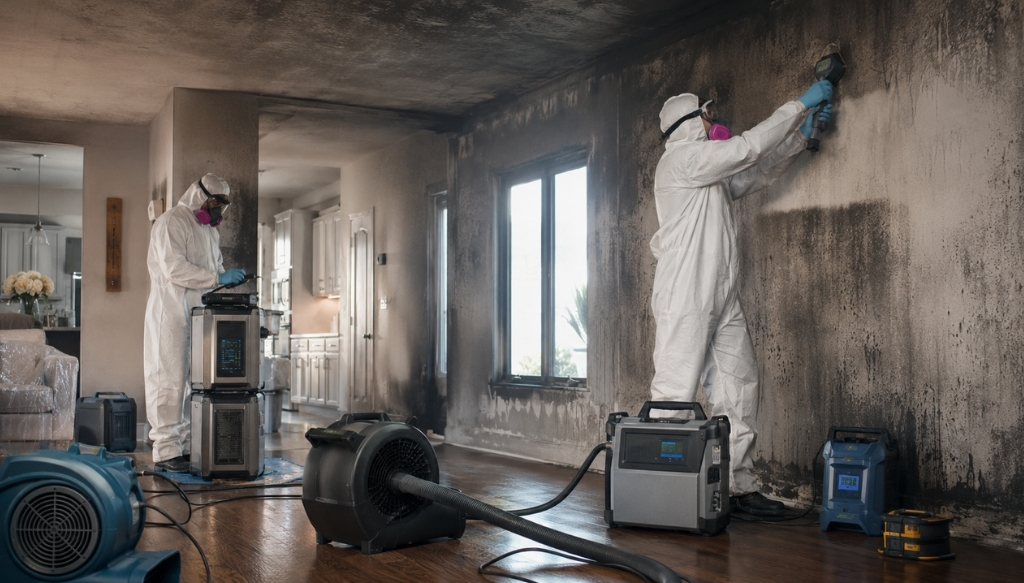
A trained crew never relies on a single product. Professional cleaning equipment for this kind of work usually includes:
- Personal Protective Equipment: Garments, gloves, and eyewear to prevent direct contact with residue.
- Respirators: A loose fit is a bad fit. If air is leaking in around the edges, you’re breathing in the same particles you’re trying to avoid.
- Containment Barriers: Plastic sheeting and closed areas isolate the mess to a specific work area and prevent contamination of remaining areas of the home.
- HEPA Filtration: Keeps running the whole time, pulling fine particles out of the air as the work stirs them up.
- Decontamination Tools: Different surfaces need different tools. What lifts residue off tile won’t necessarily work on drywall.
- Sealed Waste Containers: Everything contaminated is bagged and sealed on-site, so nothing escapes during transport to disposal.
- Testing Equipment: Used both before and after to confirm that firm contamination levels actually dropped.
This is the drug decontamination equipment that separates a job that looks finished from one that is genuinely safe. Investing in real drug decontamination equipment up front is always cheaper than having to redo the work later. Every piece plays its own role, and skipping even one weakens the whole drug residue cleanup.
How the Right Tools Protect People, Not Just Property
Good equipment does more than get results. Professional cleaning equipment protects the people doing the work and everyone who lives there afterward.
- It helps to minimize contact with contaminants.
- You breathe in a lot less of the harmful stuff.
- Residue stays put instead of spreading to other rooms.
That last point matters more than it seems. Containment barriers and controlled airflow act as contamination control equipment, keeping untouched rooms untouched while work continues elsewhere. Good contamination control equipment prevents a contained problem from spreading to the rest of the property. Without solid specialized decontamination equipment in place, even a careful technician can carry residue somewhere it never belonged.
What Happens When the Wrong Equipment Gets Used
Skipping proper hazardous cleanup equipment rarely just slows a project down. It tends to undo the work entirely. Common results include:
- Contamination that never fully clears
- Residue spreading into rooms that were previously clean
- Technicians exposed to particles they should have been protected from
- Failed clearance testing after the job was called finished
- A property that stays unsafe to move back into
Every one of these traces back to the same mistake: treating drug residue removal as ordinary housekeeping rather than a hazardous process.
Experience Still Matters More Than Gear Alone
Equipment is only half the equation. Good remediation equipment works best in the hands of someone who knows how to read a property. Experience shapes where barriers go, how a plan shifts once testing reveals something unexpected, and when a job needs more than the standard approach.
That combination of trained judgment and the right professional remediation tools is what turns a truck full of decontamination tools into an actual drug house remediation. No amount of drug remediation equipment replaces that judgment.
How Bio Clean Handles Every Property
Our process always starts with certified sampling, because no one can fix a problem they have not encountered. From there, we build a plan based on the test results, carry out drug residue removal using the appropriate remediation equipment for that specific contamination, and close with clearance testing before calling it finished.
This process stays the same whether we are working on a rental unit in Everett or a family home anywhere across our Washington service area. A thorough contaminated property cleanup looks the same no matter which type of building it happens in. Children are often more exposed than adults, since they spend more time on the floor and touch surfaces more often. Careful drug residue cleanup matters as much for the people living there as for the walls around them.
Questions to Ask Before Hiring a Remediation Company
| Question | Why It Matters |
| Do you use certified sampling methods? | Confirms your results are accurate, not a guess |
| What decontamination tools do you rely on? | Shows whether the process fits your specific contamination |
| Will I receive clearance testing results? | Proves the property is verified safe |
| How is contaminated waste handled? | Confirms disposal meets state requirements |
A qualified company should answer every one of these without hesitation, and the right drug house cleanup equipment should back up every answer they give.
Choosing a Team You Can Trust
Look for certified technicians, a documented process, and drug-house cleanup equipment that matches the type of contamination, rather than a one-size-fits-all approach. Discretion matters too, especially when someone is already dealing with a stressful situation.
A Safer Property Starts Here
Drug contamination is not something to manage alone, and it is not something to hand off to just anyone with a mop and a truck. At Bio Clean, Inc., we pair certified technicians with the right professional remediation tools and hazardous cleanup equipment for every stage of the job, from the first sample to the final clearance test.
If you suspect drug residue in a property you own or manage, call Bio Clean, Inc. at (888) 412-6300 to schedule a consultation and take the first step toward a property that is genuinely safe again.