Most homeowners think a clean-looking home is a safe home.
The damage you can see after a flood, fire, or mold outbreak is only a small part of the real problem. Tiny particles, toxic residues, and airborne spores get deep into walls, floors, and HVAC systems. They are completely invisible, very dangerous, and completely ignored by a mop and a bottle of spray cleaner. Every day that goes by without proper treatment is another day that your family breathes in things that shouldn’t be there. It gets deeper and harder to fix the longer it sits. Our certified team at Bio Clean takes care of exactly this: the contamination you can’t see but can’t afford to ignore.
This blog covers the real science behind indoor contamination, why standard cleaning doesn’t solve it, and what professional remediation actually does differently. If you’ve recently dealt with fire, smoke, mold, or any hazardous situation at home, this is worth reading in full.
What Causes Indoor Haze and Contamination?
Indoor contamination rarely announces itself. It builds up silently from many places, often stacking on top of each other without anyone noticing.
- Fire and smoke release carbon particles and volatile organic compounds (VOCs) that bond chemically to porous surfaces
- Moisture and flooding create conditions for mold colonies within 24–48 hours
- Rodent infestations deposit pathogens through droppings and urine across surfaces and inside wall cavities
- Drug activity residue, such as methamphetamine, fentanyl, and other drugs, leaves behind chemicals that can only be found through lab tests.
None of these resolves on its own. Every day, each source continues to release harmful substances into the air that your family breathes. This is why you need to hire trained professionals for home contamination cleanup.
Health Risks of Lingering Indoor Contaminants
Most families think that health problems are caused by everything but their home. That’s exactly the problem: indoor pollution health risks are slow, subtle, and dangerously easy to dismiss.
Short-Term Health Effects
| Contaminant | Immediate Symptoms |
| Smoke particles | Coughing, eye irritation, headaches |
| Mold spores | Sneezing, nasal congestion, skin irritation |
| Rodent pathogens | Fever, nausea, respiratory distress |
| Drug residue | Dizziness, throat irritation, disorientation |
| VOCs from fire | Fatigue, shortness of breath |
Long-Term Health Concerns
Short-term symptoms are uncomfortable. Long-term consequences are life-altering:
- Chronic asthma and bronchitis from sustained smoke particle exposure
- Neurological damage in children from prolonged chemical residue inhalation
- Immune suppression caused by continuous mold spore exposure
- Elevated cancer risk linked to long-term VOC presence in living spaces
These aren’t the worst things that could happen. They are documented, peer-reviewed outcomes of untreated indoor contamination. Families often spend months going to the doctor to treat symptoms without ever finding out what was causing them inside their own walls.
Your Home Can Look Clean and Still Be Unsafe
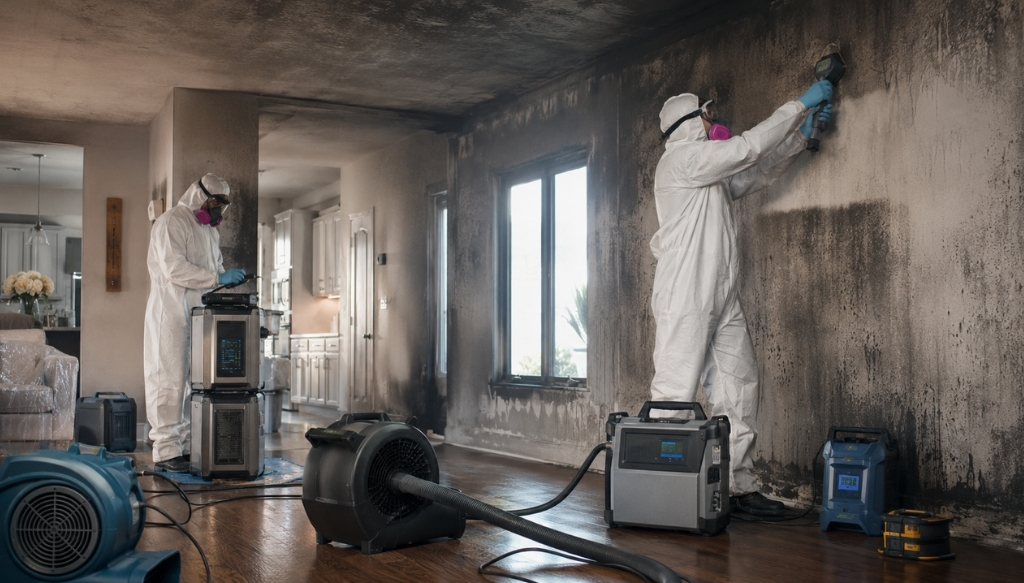
This is surprising to many people for a reason. Most homeowners clean what they can see after a fire or flood. They scrub the walls, replace the carpet, and repaint. The house looks good. Normal, even. But smoke particles don’t just stay on the surface. They move through the air and settle inside insulation, HVAC ducts, and the tiny spaces between drywall panels. Mold doesn’t stay where you found it.
By the time you see it, the colony behind the wall has been growing for weeks. Smoke damage remediation isn’t about restoring appearances. It’s about removing what settled where no cleaning cloth will ever reach.
Why DIY Cleaning Often Isn’t Enough
There’s no shortage of online guides promising full restoration with household products. The problem isn’t effort; it’s the basic limits of what surface cleaning can do.
1. Surface Cleaning vs. Deep Contamination
Smoke particles are measured in microns, which are small enough to go through regular filters and deep enough to stick to porous building materials. Bleach gets rid of visible mold, but it doesn’t kill the hyphae, which are the part of the mold that lives inside the material. Toxic residue cleanup for drug contamination cannot be verified without certified lab sampling. No matter how clean a surface looks, there is no way to tell if it is safe.
2. Risks of Improper Cleanup
If you try to fix something without the right training, it doesn’t just fail quietly; it actually makes things worse. When mold is disturbed without being contained, it releases millions of extra spores into rooms that were not affected before. Spreading soot during post-fire smoke cleanup pushes contamination further into the home. And without protective gear, the person cleaning up ends up getting what they were trying to get rid of.
What Professional Remediation Involves
This is where the difference becomes impossible to ignore. Professional remediation services use a structured, evidence-based process that is based on what the contamination really needs, not what is easiest.
1. Comprehensive Inspection
Before anything is touched, our team assesses the full scope of the problem: contamination source, affected materials, structural integrity, and what indoor air quality improvement will genuinely require for that specific property. This step is what stops incomplete remediation and results in calls months later.
1. Advanced Cleaning Techniques
- Thermal fogging neutralizes odor-causing particles inside porous materials at a molecular level
- Ozone treatment breaks down contaminants without leaving chemical residue behind
- HEPA filtration captures fine particulate matter as part of the household air purification process
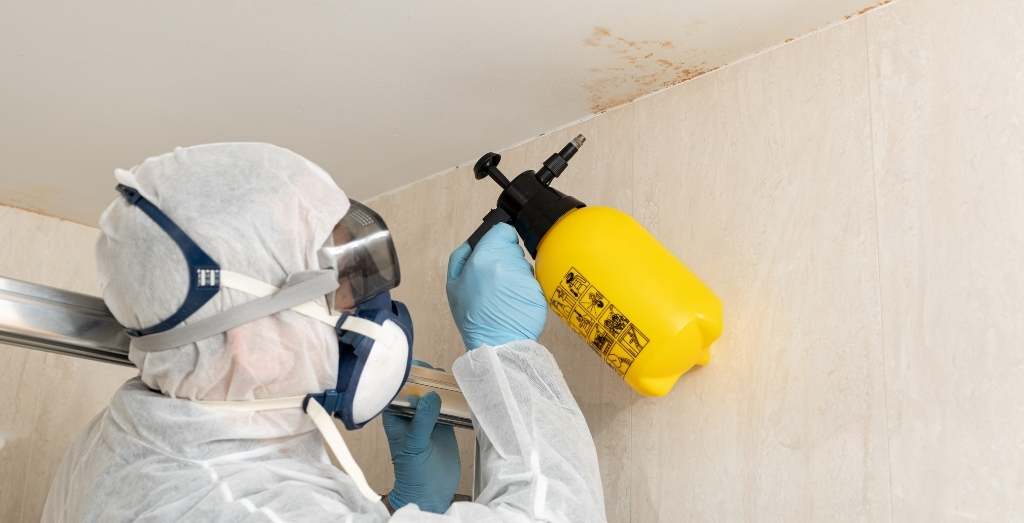
- Antimicrobial application during mold and mildew removal prevents regrowth at the source
- Surface-specific soot removal protects materials while fully extracting contamination
2. Safe Disposal of Contaminated Materials
Contaminated materials are bagged, contained, and disposed of under strict regulatory compliance. The work isn’t done until clearance testing shows that the property is really safe, not just that it looks good.
Benefits of Professional Remediation for Families
The value here goes beyond a cleaner home. Families who invest in proper environmental hazard removal get:
- Fully restored, breathable air: free from smoke, mold, and chemical residues
- Permanent resolution rather than a surface fix that resurfaces in six months
- Documented clearance testing that holds up for insurance claims
- Real, verified protection for children, elderly family members, and anyone immunocompromised
Signs Your Home Needs Professional Remediation
| Warning Sign | Likely Cause |
| Musty smell that won’t go away | Hidden mold behind walls or under floors |
| Smoke odor persists after cleaning | Deep soot penetration in porous materials |
| Recurring respiratory symptoms at home | Compromised indoor air quality |
| Unexplained fatigue or headaches indoors | VOC or chemical residue exposure |
| Discolored walls or ceilings post-water event | Trapped moisture and developing mold |
If your home has more than one of these signs, cleaning it again won’t help.
Preventing Future Indoor Air Contamination
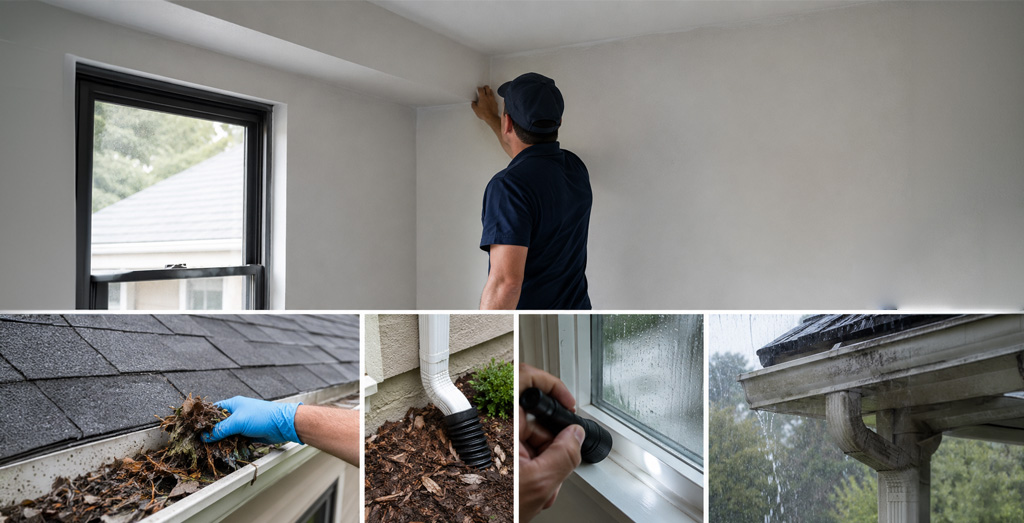
Prevention comes down to consistency. Keep indoor humidity below 50%, inspect crawl spaces and under-sink areas regularly, and act within 24 hours after any water event; mold doesn’t wait for a convenient time. Proper ventilation in kitchens, bathrooms, and laundry areas matters more than most homeowners realize. Scheduling periodic air quality checks after any remediation or renovation work is one of the simplest ways to catch a problem before it becomes a health crisis.
Choosing the Right Remediation Professionals
IICRC certification is the baseline; it means technicians are trained to industry standards, not just experienced from repetition. Beyond that, look for a team that offers transparent inspection protocols, clearance testing, and the ability to handle everything from smoke damage remediation and mold remediation services to drug decontamination and structural repairs without outsourcing.
Bio Clean serves communities across the Pacific Northwest, including smoke damage restoration in Seattle, Bellevue, Everett, Renton, and Bellingham, WA. Wherever you are in the region, professional help is closer than you think.
When the Air Clears: Final Thoughts on Protecting Your Home
Indoor contamination is a health problem wearing the disguise of a cleaning problem. Smoke, mold, chemical residue, and biological hazards don’t stay contained; they migrate, settle, and accumulate inside a home’s structure over time. Waiting, or relying on surface cleaning, doesn’t reduce the exposure. It extends it.
At Bio Clean, every technician is IICRC-certified and arrives prepared, with professional-grade equipment and a process shaped by the specific demands of the job. From post-fire smoke cleanup and mold remediation services to full environmental hazard removal, we work through every layer of contamination, not just what’s visible on the surface. Every job ends with clearance testing because our standard for “done” is safety, not appearance.
If your home has been through fire, flooding, mold, or any hazardous event, don’t wait for symptoms to confirm what the air quality is already telling you. Call Bio Clean at (888) 412-6300; we’re available 24/7, and getting started is as simple as one conversation.