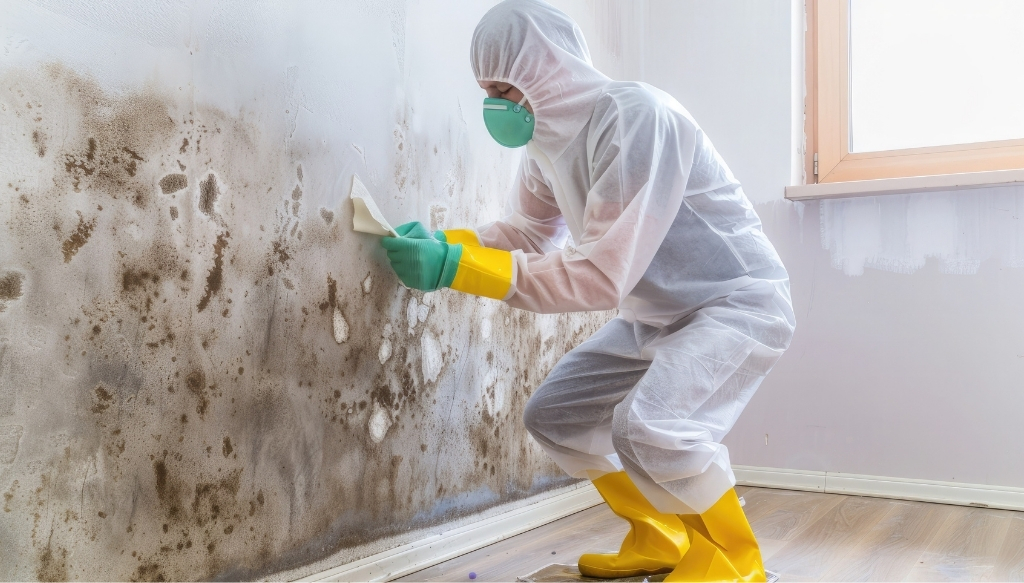
Most homeowners blame mold on one bad leak or a forgotten spill. The real driver is usually humidity sitting in the air for weeks, quietly turning ordinary rooms into mold-prone areas. As a family-owned team that has addressed this problem throughout Washington, Bio Clean, Inc. often sees the same pattern: moisture was present long before the mold became visible.
Why Humidity and Mold Go Hand in Hand
1. How Moisture Feeds Mold Spores
Mold spores are already present in almost every home. They stay dormant until they land somewhere damp enough to grow. Humid indoor environments hand them exactly that: a thin, constant layer of moisture on walls, wood, and fabric that never fully dries.
2. The Humidity Level Mold Waits For
Mold doesn’t need standing water to spread. It just needs conditions that stay damp long enough, and humidity above 60 percent gives it plenty of room to work. This is the threshold we watch for, whether we’re called for mold remediation in Seattle WA; mold remediation in Bellevue WA; mold remediation in Renton WA; or mold remediation in Bellingham WA.
How Rising Humidity Raises Your Risk
- Mold spreads faster. Moisture buildup allows colonies to expand within days rather than weeks.
- Growth hides where you can’t see it. Hidden mold growth behind drywall or inside HVAC ducts often develops before any visible sign appears.
- Materials weaken. Prolonged dampness softens wood framing and drywall, setting up bigger repairs later.
- Air quality drops. Mold spores indoors circulate through the air your family breathes, often behind allergy symptoms nobody connects to the real cause.
What Counts as Too Much Indoor Humidity?
| Humidity Level | What It Usually Means |
| Below 30% | Too dry, can cause cracked wood and static |
| 30% to 50% | Healthy range for most homes |
| 50% to 60% | Elevated; condensation problems often start here |
| Above 60% | High risk, ideal conditions for mold infestation |
Where the Excess Moisture Usually Comes From
Common Culprits Inside the Home
- Poor ventilation in bathrooms, kitchens, and attics
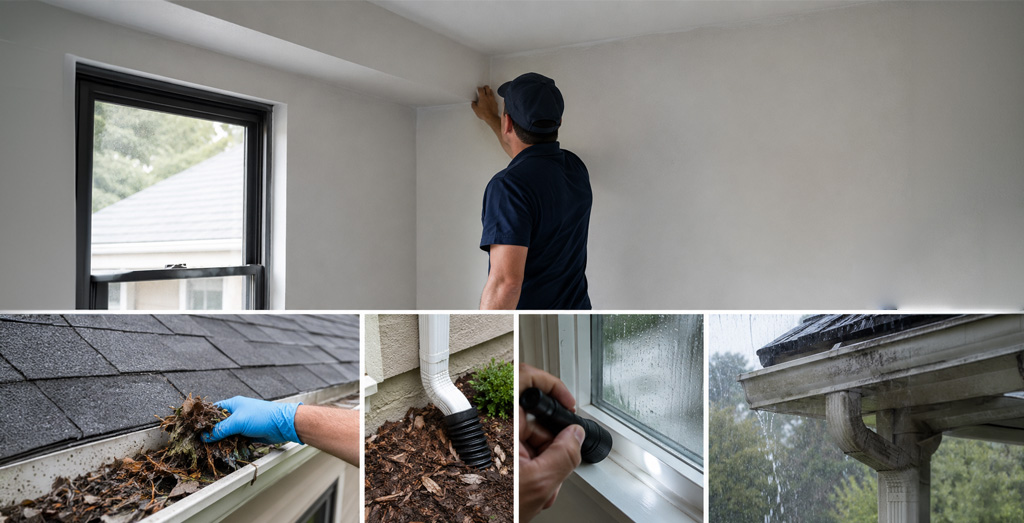
- Plumbing or roof leaks that go unnoticed for weeks
- Naturally humid outdoor air working its way indoors
- HVAC systems that no longer regulate moisture properly
When a Leak Turns Into a Mold Problem
Flooding and storm damage are the fastest route to serious mold contamination, since soaked flooring and walls hold moisture long after the water is gone. This is why water damage restoration Seattle WA, water damage restoration Bellevue WA, and water damage restoration Everett WA calls so often turn into mold conversations weeks later.
Signs Your Home Is Trying to Tell You Something
A few warning signs tend to appear before mold becomes obvious: musty odors that cleaning doesn’t fix, condensation on windows and walls, visible spots on ceilings or grout, peeling paint, discolored building materials, and allergy symptoms that flare up indoors more than out. None of these alone proves a mold infestation, but together they’re worth investigating.
How Bio Clean, Inc. Approaches Mold Remediation
1. Inspection and Moisture Tracing
Removing mold you can see is only part of the job. Our certified team starts with a mold inspection thorough enough to catch growth hidden inside walls or ceilings, then traces the moisture source behind it, whether that’s a leak, poor airflow, or seasonal condensation.
2. Containment and Removal
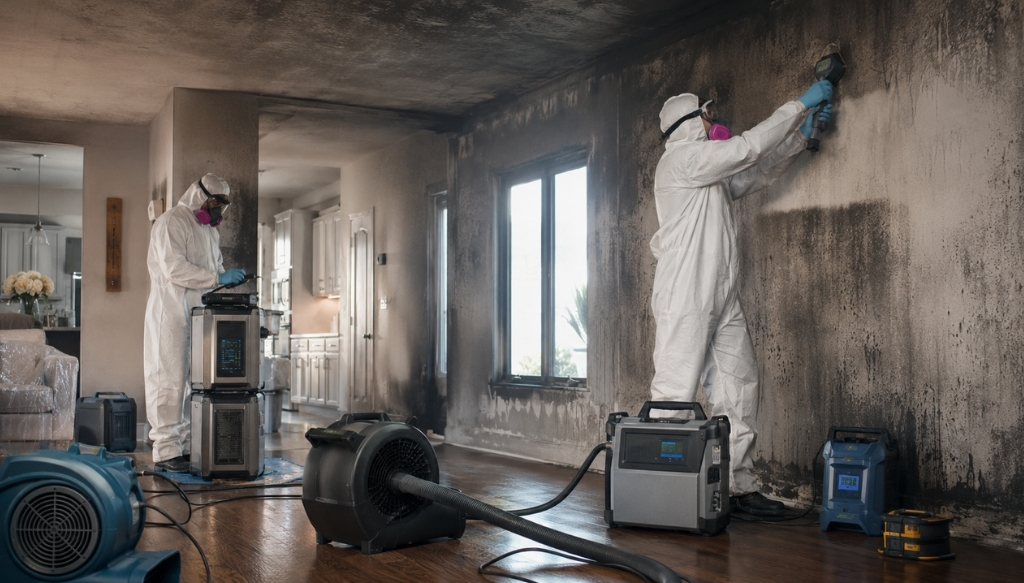
First, we wall off the affected area and drop the air pressure inside it. That keeps spores from sneaking out into the rest of the building while we work. Once it’s sealed, we go in with HEPA vacuums and an air scrubber to remove spores from surfaces and the air, and depending on what we’re cleaning drywall, wood, concrete, whatever we adjust the method to suit.
3. Drying and Prevention
Once the space is clean, dehumidification dries it out, leaving nothing for mold to feed on. Our team walks clients through humidity control steps before leaving, the same compassionate approach we bring to every job.
Why Removing Visible Mold Alone Doesn’t Work
Wiping down a visible patch does nothing to address mold growing behind a wall or beneath the flooring. If the moisture source isn’t corrected, mold has every reason to return within weeks, no matter how thoroughly the surface was cleaned. Post-remediation testing and ongoing humidity monitoring confirm that a space is genuinely safe again.
Practical Ways to Keep Humidity in Check
- Run dehumidifiers in basements, crawl spaces, and other damp areas
- Improve ventilation in bathrooms and kitchens where steam builds fast
- Repair leaks as soon as you spot them
- Keep HVAC systems maintained so they regulate moisture properly
- Check humidity levels regularly with a simple hygrometer
- Insulate windows and pipes prone to condensation
None of this requires a renovation, just staying ahead of the moisture instead of reacting once mold shows up.
When It’s Time to Call In the Experts
Bring in a professional when mold covers more than a small, isolated spot, when the same problem keeps recurring, after significant flooding, when musty odors persist with no obvious source, or when indoor humidity stays high no matter what you try. These are the calls we hear most from homeowners searching for mold remediation in Seattle WA; mold remediation in Bellevue WA; mold remediation in Renton WA; and mold remediation in Bellingham WA, and it’s exactly the kind of job our certified team is built to handle.
Your Home Doesn’t Have to Live With Mold
Humidity isn’t going away, but how your home holds up against it can change. Bio Clean, Inc. handles mold inspection, containment, removal, and structural drying with the same care our neighbors have come to expect, which is also why calls for water damage restoration in Seattle, WA; water damage restoration in Bellevue, WA; and water damage restoration in Everett, WA often come in alongside mold questions.
If mold has already taken hold, or you simply want to get ahead of it, don’t wait for it to spread. Call Bio Clean, Inc. at (888) 412-6300 to schedule an inspection, or reach out through our website to talk with our team.