High humidity does more than make a property feel uncomfortable. Over time, elevated moisture levels quietly create ideal conditions for mold to take hold in areas that are not always visible.
In Washington State, where rain and dampness persist for much of the year, this is a concern that homeowners and commercial property managers encounter regularly.
The core truth about mold is that it is not primarily a cleanliness problem. It is a moisture problem. No amount of surface cleaning will produce lasting results if the underlying moisture issue goes unaddressed. That principle is the foundation of what professionals call the “science of dry,” and it is what separates a genuine long-term fix from a temporary one.
In this blog post, we look at why mold keeps coming back in damp conditions and what actually works long-term for homes dealing with mold remediation in Bellingham, Everett, Bellevue, Renton, Seattle, WA, and surrounding areas.
Why Mold Thrives in High-Humidity Environments
What humidity levels encourage mold growth?
Mold begins to establish itself when indoor relative humidity climbs above 60 percent. Once it reaches 70 percent or higher, growth accelerates considerably. According to the U.S. Environmental Protection Agency, indoor humidity should ideally remain between 30 and 50 percent to reduce the risk of mold remediation in high-humidity situations developing in the first place.
| Humidity Level | Mold Risk |
| Below 50% | Low risk |
| 50% to 60% | Moderate risk |
| Above 60% | High risk |
| Above 70% | Severe risk |
When moisture-saturated air settles into porous materials like drywall, wood framing, and insulation, it creates precisely the environment mold needs to grow and spread.
How quickly can mold develop in damp conditions?
According to the Centers for Disease Control and Prevention, mold can begin forming within 24 to 48 hours of water exposure, especially when warmth and organic material are present. A slow leak behind a wall or persistent condensation near a window is all it takes for a larger problem to develop within days.
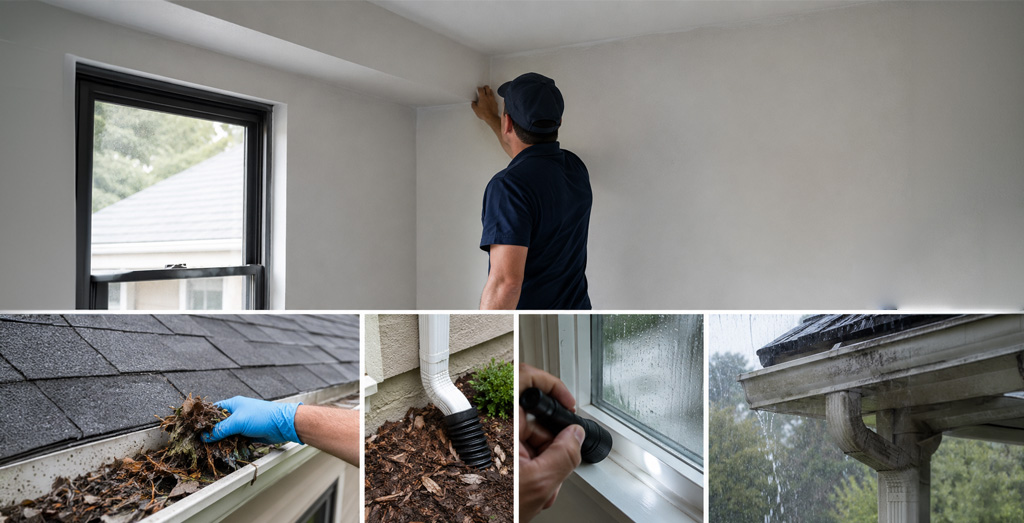
Which areas of a home are most vulnerable?
- Bathrooms that don’t have much or any exhaust ventilation
- Basements and crawl spaces where air doesn’t move around much
- Kitchens where steam and moisture build up often
- Attics with weak insulation or vents that aren’t clear
- Window frames where condensation tends to collect with the seasons
What Are the Early Signs of Mold Growth You Should Not Ignore?
1. What does mold look and smell like?
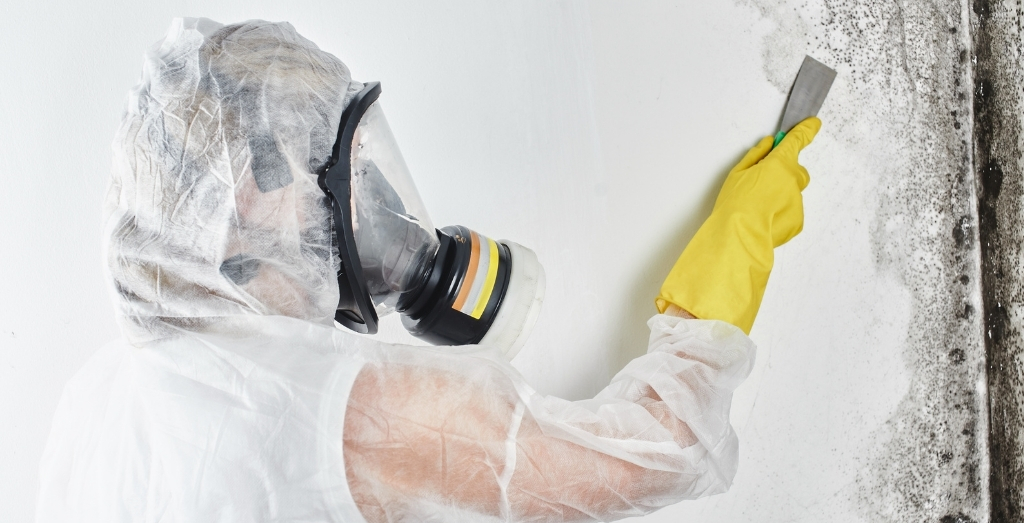
Mold does not always appear as large, obvious patches. Early indicators tend to be subtle: faint dark specks on walls or ceilings, paint that is beginning to bubble or peel, and a persistent musty odor without a clear source. That odor is frequently the first warning sign, often appearing before any visible growth becomes apparent.
2. Are health symptoms a reliable indicator?
They can be a clue, but they don’t show up the same way for everyone. Some people notice things like a stuffy nose, irritated eyes, skin reactions, or their allergies and asthma acting up more than usual. The World Health Organization has also noted that long-term exposure to damp indoor environments is linked to ongoing breathing issues.
3. Why early detection is critical
Mold problems don’t stay small for long. What seems like a small patch at first can spread without you really noticing.
- When it’s caught early, it’s usually a simple cleanup without opening up walls or floors
- Once it gets deeper, it often means removing and replacing parts of the structure
- The longer it’s left alone, the more it starts affecting the air inside your home
- Taking care of it early keeps the costs from getting out of hand
Dealing with it sooner can save you from a much larger, more disruptive repair later.
Quick Tip: If there’s a musty smell that won’t go away but nothing is visible, there’s a good chance something is hiding behind the walls or under the flooring.
What Makes Mold Remediation in Humid Climates More Challenging?
1. How does ambient humidity slow the drying process?
In humid conditions, the air is already holding a lot of moisture, so things don’t dry out easily. Moisture becomes trapped within materials rather than evaporating, giving mold more time to grow and spread.
2. Why does mold often return after basic cleanup?
Surface cleaning addresses only what is visible. It does not reach moisture that has already penetrated beneath the surface. As long as humidity remains elevated, dormant spores that were not fully eliminated will begin growing again, often within a matter of days.
3. What role does poor ventilation play?
Inadequate airflow keeps indoor humidity levels high, increases drying times, and allows mold spores to circulate and settle. Mold remediation in high-humidity scenarios almost always involves some degree of ventilation failure, which is why improving airflow is an essential part of effective professional mold remediation services.
What Is the “Science of Dry” in Mold Remediation?
How do humidity, airflow, and temperature interact?
Drying things out properly isn’t about just one factor. It comes down to how humidity, airflow, and temperature interact in the same space.
- Lower humidity helps pull moisture out of materials instead of letting it sit
- Air movement pushes that moisture away so it doesn’t settle back in
- Warmer air can hold more moisture, which helps carry it out of the area
- When even one of these is off, the whole drying process slows down
When all three are balanced, drying happens more smoothly, and you’re less likely to deal with lingering moisture later on.
Why is moisture control more important than surface cleaning?
Mold feeds on moisture, so removing moisture removes the root cause. Cleaning without thorough drying is equivalent to treating symptoms while ignoring the underlying condition entirely.
What metrics do professionals monitor?
| Metric | Purpose |
| Relative humidity | Confirms indoor levels remain within the safe range |
| Material moisture content | Identifies hidden dampness beneath surfaces |
| Air quality readings | Tracks reduction in airborne spore concentrations |
| Temperature levels | Supports optimal drying efficiency throughout the process |
What Advanced Technologies Are Used in Mold Remediation?
1. How do industrial dehumidifiers work?
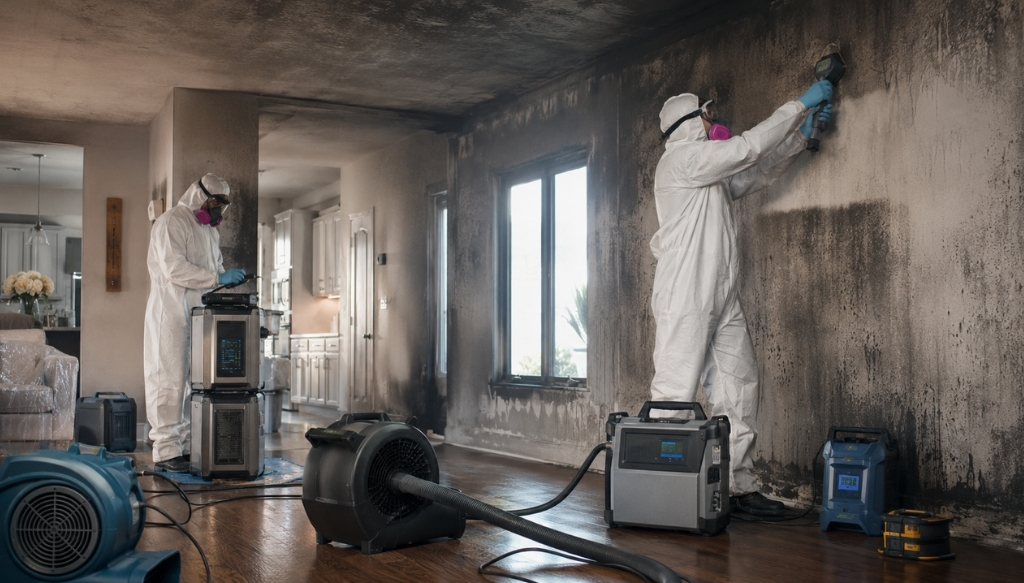
Industrial dehumidifiers’ mold-removal strategies rely on equipment that extracts moisture directly from the air and condenses it as condensate. This rapidly lowers humidity within a contained space, creating conditions that are hostile to continued mold activity.
2. What are HEPA air scrubbers, and why are they important?
HEPA air scrubbers filter microscopic particles, including mold spores, from the indoor air supply. They are critical during active remediation because they prevent spores disturbed during the cleaning process from spreading to unaffected areas of the property.
3. What roles do moisture meters and thermal imaging play?
These diagnostic tools allow technicians to pinpoint moisture pockets concealed behind finished walls, above ceilings, or beneath flooring. Without them, hidden moisture goes undetected, and mold returns shortly after mold remediation concludes.
How Do Professionals Ensure Complete Mold Removal?
1. What is containment, and why is it necessary?
Physical containment, using plastic barriers and sealed work zones, prevents mold spores from migrating to clean areas of the property during the remediation process. This is a standard component of advanced mold remediation techniques.
2. What cleaning and antimicrobial treatments are used?
Industrial-grade antimicrobial solutions penetrate porous materials in a way that standard household products simply cannot. They eliminate spores at the source and meaningfully reduce the likelihood of regrowth.
3. What is post-remediation verification (PRV)?
PRV is the confirmation step that properly closes out a remediation project. It includes air quality testing, moisture level verification, and a full visual inspection. The space is not considered fully remediated until it passes all three.
Why Isn’t Bleach Enough to Kill Mold?
1. What are the limitations of household cleaners?
Bleach removes surface stains but does not penetrate porous materials such as wood or drywall. It also leaves residual moisture behind in many cases, which can inadvertently support future mold growth.
2. How can improper cleaning worsen mold problems?
Cleaning it the wrong way can spread spores into the air, push mold deeper into materials, and delay proper treatment. That’s why advanced mold remediation techniques are needed if you want results that actually last.
How Can You Prevent Mold Growth in High-Humidity Areas?
1. What is the ideal indoor humidity level?
The EPA recommends keeping indoor humidity somewhere between 30 and 50 percent. A dehumidifier and a well-maintained HVAC system usually help keep things in that range consistently.
2. What daily habits reduce moisture buildup?
Practical habits make a meaningful difference in preventing mold in humid areas before professional intervention becomes necessary:
- Address leaks immediately rather than monitoring them over time
- Run exhaust fans during and after cooking and bathing
- Wipe down wet surfaces rather than allowing them to air-dry
- Avoid drying laundry indoors in spaces without active ventilation
When Should You Call a Professional for Mold Remediation?
What size mold problem is too big for basic handling?
If mold covers more than 10 square feet, the EPA advises engaging a professional. At that scale, the issue almost certainly reflects a deeper moisture problem that surface treatment will not resolve.
Why professional expertise matters in humid climates
In places where the air stays damp most of the time, mold problems tend to stick around. Getting rid of it properly takes more than just cleaning what you can see.
- Mold usually spreads beyond the surface, so the hidden moisture has to be dealt with, too
- The right tools help dry things out properly, which is a big part of stopping it from coming back
- Knowing where the moisture is coming from makes a huge difference in how the issue is handled
- If that part is missed, the mold often shows up again after some time
- Working in humid areas regularly means knowing what actually holds up and what doesn’t
In areas like Bellingham, Everett, Bellevue, Renton, and Seattle, this mold remediation approach helps prevent the problem from becoming a recurring issue.
Final Thoughts: Building a Dry, Healthy Indoor Environment
Mold usually isn’t the main problem; it’s more of a symptom. When moisture sticks around, mold tends to follow. And in places like Washington, where damp weather is pretty common, staying ahead of it really comes down to keeping moisture under control, whether that’s through better airflow, managing humidity, or catching hidden damp spots early.
If you’ve dealt with mold more than once, you’ve probably seen that quick fixes don’t really last. Wiping it down or treating the surface can help for a while, but if the moisture source is still there, it usually comes back.
What actually makes a difference is figuring out where the moisture is coming from, properly drying the area, and making sure the same conditions don’t recur.
That’s how Bio Clean, Inc. approaches it when working with homeowners across the region, from Bellingham and Everett to Bellevue, Renton, and Seattle, offering professional mold remediation services. It’s not just about cleaning what you can see; it’s about getting to the root of the problem and making sure everything is properly dried out before the job is considered done.
If something in your home doesn’t feel right, a persistent musty smell, areas that stay damp, or signs of growth, it’s usually a good idea to have it looked at sooner rather than later.
For more information or to book an appointment with our team today, feel free to contact us at (888) 412-6300.