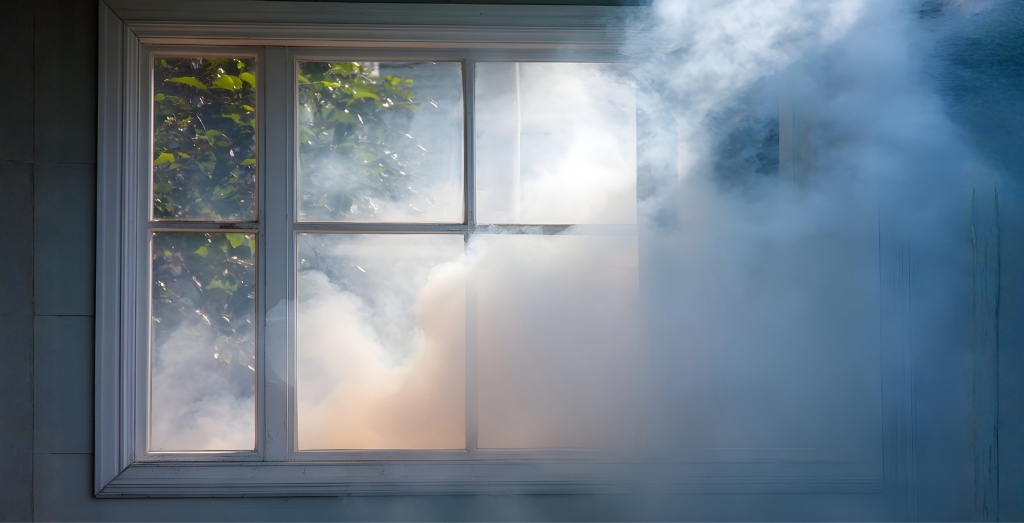

When a fire occurs, whether it’s a small cooking flare-up or a larger household incident, most homeowners breathe a sigh of relief the moment the flames are out. But here’s the unsettling truth: the moment the visible danger disappears is when an invisible one begins. Smoke doesn’t simply vanish. It settles. It clings. It hides.
Smoke residue is one of the most underestimated threats in a home after a fire event. Long after the sirens quiet down, microscopic soot particles continue drifting into vents, fabrics, insulation, and the tiniest gaps in your walls. Even the top smoke damage restoration experts in Bellingham, Renton, Bellevue, Everett, Seattle, WA, and the nearby areas believe that because this residue looks harmless, often just a faint film or a lingering smell, many homeowners underestimate how destructive and unhealthy it can be.
This blog breaks down the risks of smoke residue, how it spreads, what it does to your home and health, and why proper cleanup is essential. And finally, we’ll talk about how Bio Clean Inc., one of Washington’s most trusted restoration and biohazard cleanup companies, plays a role in helping people reclaim their homes after fire and smoke incidents.
What Exactly Is Smoke Residue? Understanding the Film You Can’t Ignore
According to the leading smoke damage restoration experts in Renton, WA, smoke residue is the collection of tiny particles and chemical compounds released during the burning of materials. It contains soot, ash, acids, and volatile organic compounds — substances that are far more harmful than they look.
Depending on the materials burned, smoke residue can include:
- Carbon particles
- Tar and creosote
- Toxic chemicals are released from plastics
- Acidic compounds are damaging to metal and paint
- Microscopic debris that travels deeper into the body when inhaled
Unlike regular household dust, smoke residue tends to stick. It bonds to surfaces. It seeps into cracks. It coats your HVAC system. And because these particles are so fine, they remain suspended in the air long after the fire is gone.
How Smoke Residue Spreads Through Your Home: A Silent Traveler
The surprising part about smoke residue is how effortlessly it spreads.
Key Ways Smoke Travels Indoors
Source of Spread | What Happens | Why It’s a Problem |
| HVAC System | Residue gets pulled into ducts and redistributed | Causes recurring odor + recirculating contaminants |
Air Pressure Changes | Hot air rises and spreads smoke throughout levels of the home | Residue ends up far from the fire’s origin |
| Porous Surfaces | Fabrics, carpets, wood, and insulation absorb soot | Harder cleanup and long-term odor |
Temperature Differences | Smoke gravitates toward cooler surfaces like windows and metal | Leaves dark staining and corrosion |
Even a small kitchen incident can send smoke particles drifting into:
- Bedrooms
- Attics
- Crawl spaces
- Inside electrical outlets
- Behind walls
- Into HVAC vents
This explains why homeowners often smell smoke weeks or months after the fire, even when everything “looks” clean.
Health Risks of Smoke Residue Exposure: What You Can’t See Can Hurt You
Smoke residue isn’t just dirty, but also dangerous. Top smoke damage restoration contractors in Bellingham, WA, reveal that these microscopic particles can mess with your body in ways most people don’t expect.
Common Short-Term Reactions
- Itchy or watery eyes
- Trouble breathing
- Headaches
- Coughing that won’t stop
- Sore throat
- Allergies getting worse
Potential Long-Term Effects
The effects of smoke residue on health become more serious when exposure is prolonged:
- Higher risk of bronchitis
- Asthma gets worse
- Inflammation in your lungs that sticks around
- Contact with cancer-causing chemicals
- Toxic stuff absorbing through your skin
Kids, older adults, and people with breathing problems are especially at risk.
Structural and Property Damage: The Residue That Eats Away at Your Home
Even the top smoke damage restoration specialists in Bellevue, WA, believe that, beyond the health concerns, smoke residue can slowly degrade your home’s structure, your belongings, and internal systems.
How Smoke Residue Damages a Home
Damage Area | How Smoke Affects It | Long-Term Impact |
| Walls & Paint | Discoloration, staining, acidic damage | May need repainting or deeper repairs if residue is heavy |
Electrical Components | Soot gets into outlets, switches, and panels | Can lead to malfunctions or become fire hazards |
| Furniture & Fabrics | Absorbs odor and sticky residues | Odors and stains linger and often don’t come out |
Metal Surfaces | Acidic particles eat away at metal | Rust forms and parts weaken over time |
| HVAC Systems | Soot settles inside ducts and components | Contaminated air spreads throughout the home |
One of the biggest problems is hidden damage in walls, vents, and insulation that you can’t see.
Why Typical Household Cleaning Isn’t Enough
According to the leading smoke damage restoration experts in Seattle, WA, this is one area where homeowners unintentionally make things worse.
Most cleaning supplies simply aren’t designed for soot, as:
- Water can smear soot.
- Regular vacuums can blow particles deeper.
- Scrubbing can set stains permanently.
- And smoke residue is chemically complex — some types react immediately upon contact with moisture.
Homeowners often notice that:
- The smell keeps coming back
- Black streaks reappear
- Ventilation systems continue to push out smoky odors
- Clothes and bedding always smell “off.”
- Stains re-surface on walls despite wiping
That’s because smoke residue requires specialized removal processes, not everyday cleaning.
How Professionals Handle Smoke Damage Restoration
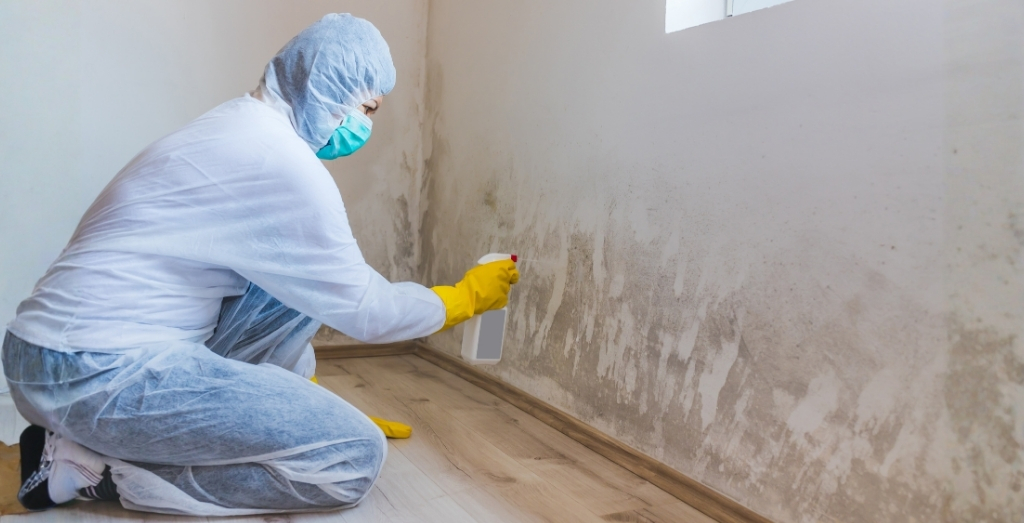
At Bio Clean Inc., we provide fire and smoke restoration as part of our wider restoration services. Here’s what a professional-grade cleanup generally involves in the industry.
The Professional Smoke Residue Removal Process Usually Includes:
1. Assessment & Testing -Professionals usually check:
- How far the smoke traveled
- What materials burned
- Which surfaces got hit
This tells them what kind of residue they’re dealing with and how to clean it properly.
2. Containment of Affected Areas -This stops residue from spreading to parts of the home that aren’t affected yet.
3. Soot & Residue Removal -They use HEPA systems, industrial vacuums, and special cleaners that neutralize acidic particles.
4. Deep Cleaning of Structural Components -This usually means cleaning:
- Walls
- Floors
- Ceilings
- Insulation
- Cabinetry
5. Odor Neutralization – Thermal fogging or ozone treatment breaks down odor at the molecular level.
6. HVAC Cleaning -Since ducts are a major contributor to long-term odor, they are thoroughly treated.
Preventing Smoke Residue Problems in the Future
According to the most credible smoke damage restoration experts in Everett, WA, you can’t eliminate all fire risks, but you can reduce the severity of smoke damage.
Simple Prevention Steps
- Install and regularly check smoke alarms
- Keep your ventilation system clean
- Inspect wiring and appliances yearly
- Use exhaust fans when cooking
- Have a fire extinguisher accessible in the kitchen
- Keep flammable objects away from heat sources
Final Takeaway: A Home Restored Is Peace Restored
Smoke residue is one of those problems that’s easy to underestimate — until you realize how deeply it can seep into your home and health. If you’ve experienced a fire or smoke-related incident, getting the right kind of smoke damage restoration service matters, especially in areas like Renton, Bellevue, Bellingham, Everett, Seattle, and the surrounding areas.
Bio Clean Inc. has built a strong and trusted reputation across Washington for handling the toughest cleanup situations, from trauma scenes to hoarding environments to hazardous substance decontamination. Our restoration division, which includes fire and smoke restoration, follows the same commitment to safety, thoroughness, and compassion that defines all our services.
If you’re dealing with lingering smoke damage or want professional support restoring your home after a fire, Bio Clean Inc. is a team you can rely on for careful, respectful, and effective service.
Ready to restore your home safely? Contact our team today at (888) 412-6300 to schedule professional fire and smoke restoration services.