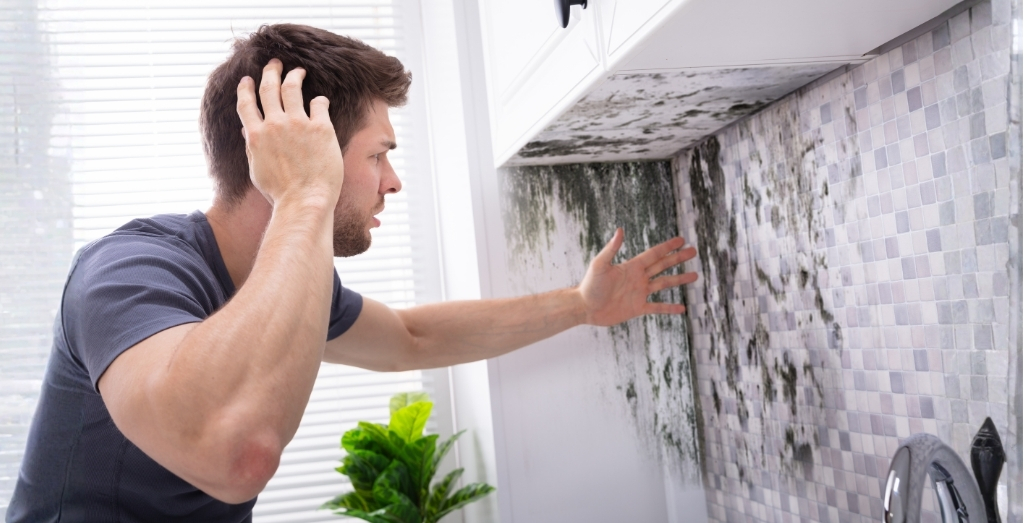
In Western Washington, moisture is not an occasional inconvenience. It is part of everyday life. From steady rain moving through Seattle neighborhoods to damp, shaded properties in Bellevue and Everett, homes rarely experience long periods of complete dryness. In Bellingham and surrounding coastal communities, marine air adds another layer of humidity that lingers indoors.
Because of this environment, mold growth after water damage occurs differently here than in drier states. What might be a manageable leak elsewhere can escalate quickly in Washington. At Bio Clean, Inc., water damage restoration Seattle WA, Bellevue WA, Everett WA, and Bellingham WA projects often begin with one common statement from homeowners: “It didn’t seem that bad at first.”
The reality is that, in this climate, even minor moisture can trigger a serious mold issue if not handled correctly.
Why Mold Grows Faster in Washington
1. A Climate That Supports Mold
Washington’s weather creates ideal conditions for mold in damp environments. Rainfall is frequent. Cloud cover limits natural drying. Homes remain sealed during colder months. Moisture gets trapped inside structural materials and indoor air.
In neighborhoods with mature trees and shaded lots, such as parts of Bellevue and Everett, homes receive limited sunlight exposure. This slows exterior drying and increases interior humidity levels.
2. Construction Materials and Moisture Retention
Many homes across Seattle and Bellingham are built the old-fashioned way: wood framing and drywall, through and through. The trouble is, these materials soak up water like a sponge. And once they’re wet, they hold onto that moisture far longer than most homeowners ever expect. When moisture remains in walls, flooring, or crawl spaces, the mold growth timeline accelerates. Mold spores already exist in the indoor environment. They only need moisture to activate.
How Quickly Mold Can Start Growing After Water Damage
Mold growth after water damage can occur even without visible flooding. It only requires moisture and time.
What Happens Behind the Walls
Once water enters a structure:
- Drywall absorbs moisture
- Insulation traps humidity
- Wood framing stays damp.
- Indoor air moisture increases
In Washington’s damp climate, materials may not dry naturally. This allows mold growth from flooding or burst pipes to begin before stains or odors appear.
Why Timing Is Critical
Homeowners often wait for visible discoloration. By then, mold may already be spreading inside wall cavities or under flooring. Flood-damage mold risk is especially high in basements and crawl spaces, where airflow is limited. This is why emergency water damage restoration is not optional in this region. It is essential.
Common Causes of Water Damage That Lead to Mold
Water damage in Western Washington often begins quietly.
1. Plumbing Leaks and Burst Pipes
Cold snaps can lead to mold growth from burst pipes. Even a small crack inside a wall can release enough water to saturate structural materials.
2. Basement Water Damage
Basement water damage and mold problems are common in older Seattle and Everett homes. Heavy rainfall can seep through foundations or poorly sealed joints.
3. Crawl Space Moisture Issues
Crawl space moisture issues are widespread across properties in Bellevue and Bellingham. Damp soil, poor ventilation, and ground moisture create a constant source of humidity beneath the home.
4. Roof Problems Caused by Storms
Winter storms often cause:
1. Leaking Roof in the Winter
Moisture slowly gets into the insulation and ceiling materials.
2. Repairing the Roof in an Emergency
Stopping the leak doesn’t remove the moisture that’s already there.
3. Emergency Roof Replacement
Storm damage can allow rain to enter attics, increasing the likelihood of mold growth.
4. Winter Roofing Emergency
When cold air and moisture mix, they can cause condensation in attics.
5. Roof Repair Service Around the Clock
Immediate repairs prevent further damage, but you still need to clean up the water damage inside.
Without thorough drying, these situations often lead to mold growth after water damage.
Early Signs of Mold Growth After Water Damage
Mold rarely announces itself immediately. However, Washington homeowners should watch for subtle indicators.
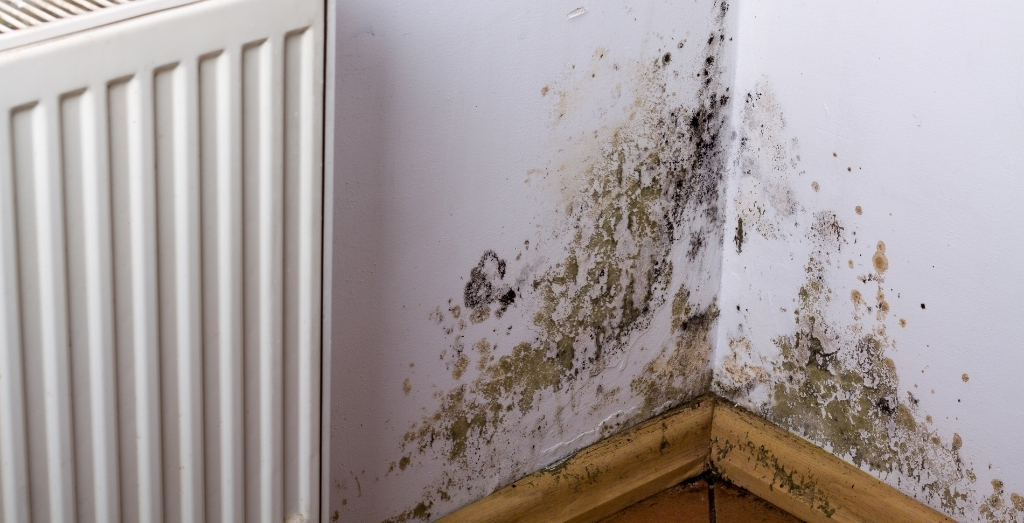
Visual Clues
- Dark or yellowing ceiling spots
- Peeling paint
- Warped flooring
- Bubbling drywall
Changes in Smell
A musty smell that doesn’t go away often indicates mold in wet areas, such as basements or crawl spaces.
Changes in Air Quality
People who live there may notice more allergy-like symptoms even if they can’t see mold.
In these cases, having a professional look at the problem is much better than just cleaning the surface.
Health Risks of Mold Exposure
Mold exposure affects indoor comfort and well-being.
Common concerns include:
- Respiratory irritatio
- Sinus congestion
- Eye discomfort
- Headaches
- Increased sensitivity in children and older adults
When mold grows after water damage and enters HVAC systems or open spaces, its spores don’t stay there; they spread throughout the house. This is why mold remediation services in Seattle, Bellevue, and Everett, WA focus on containment and air quality control, not just surface removal.
What to Do Immediately After Water Damage
Quick decisions determine long-term outcomes.
First Steps
- Identify and stop the water source
- Remove standing water safely
- Limit foot traffic in affected areas.
- Increase ventilation where possible
However, household fans and dehumidifiers rarely remove moisture trapped inside materials.
Why Professional Help Is Necessary
Emergency water damage restoration addresses:
- Hidden moisture pockets
- Subfloor saturation
- Insulation dampness
- Crawl space humidity
Water damage cleanup must be thorough to ensure successful mold prevention.
Why Professional Water Damage Restoration Matters
Bio Clean, Inc. understands the specific moisture patterns of Western Washington homes. Our approach reflects the region’s challenges.
1. Comprehensive Moisture Detection
Areas like Seattle and Bellevue, WA, often require water damage restoration services that include advanced moisture testing to find water behind walls and under floors.
2. Controlled Drying Process
After a flood hits, the priority for water damage restoration teams in Everett and Bellingham shifts quickly to one thing: drying out the structure before mold ever gets a chance to take hold.
3. Professional Mold Remediation
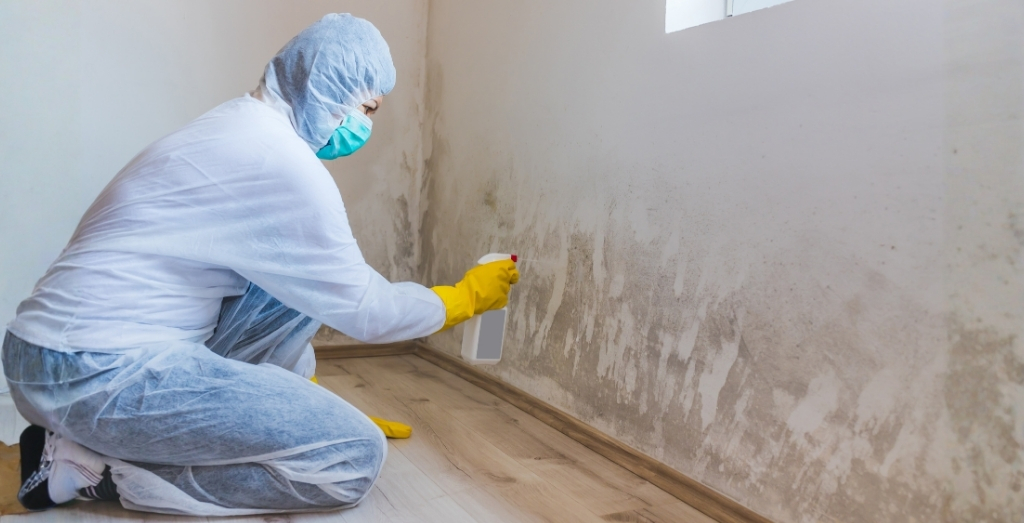
When contamination is present, mold remediation services in Bellevue, Everett, and Seattle, WA involve safe containment and removal procedures that protect unaffected areas.
Bio Clean, Inc. prioritizes complete resolution, not temporary fixes.
How to Prevent Mold After Water Damage in Washington Homes
Prevention in this climate requires consistency.
Maintain Roofing and Drainage Systems
With rain so constant here, your roof and gutters really do need to be in good shape. It’s the best way to avoid a full-blown roofing emergency come winter.
Monitor Moisture-Prone Areas
Regularly inspect:
- Basements
- Crawl spaces
- Attics
- Utility rooms
Early detection reduces basement water damage and mold problems.
Act Immediately After Any Leak
Even minor plumbing leaks should prompt water damage cleanup to prevent mold growth.
Schedule Professional Evaluation When Needed
A professional inspection will ensure that no hidden contamination remains if your property has experienced mold after flooding, moisture problems in the crawl space, or mold growth from a burst pipe.
Bio Clean, Inc.: Protecting Washington Homes from Hidden Mold Risks
In Seattle’s rainy neighborhoods, Bellevue’s shaded residential communities, Everett’s coastal air, and Bellingham’s damp climate, water damage is rarely a one-time event. The real threat is what happens afterward. Mold growth after water damage can start slowly but spread aggressively if left unchecked. When water damage strikes in Seattle, Bellevue, Everett, or Bellingham, having a local restoration team makes all the difference.
Bio Clean, Inc. brings together thorough water damage cleanup and expert mold remediation, with solutions built specifically for Washington’s wet, demanding climate. If your home has experienced water intrusion, do not wait for visible mold or worsening air quality to appear. Contact Bio Clean, Inc. and address moisture before it becomes a long-term problem. In a climate as wet as Washington’s, staying ahead of problems is really the only way to protect both your home and your sanity.