A property does not lose credibility overnight, nor does it regain it overnight. When drug activity is associated with a location, the consequences tend to linger quietly but persistently. Owners can clear the space, repaint surfaces, and prepare for the next phase, yet questions remain unspoken. Is the environment truly safe? Has the contamination been addressed, or merely concealed?
Drug house stigma exists because uncertainty exists. Professional remediation responds to that uncertainty with verified action. When handled correctly, it restores confidence, protects occupants, and allows a property to reenter the market without hesitation.
What Creates a “Drug House” Stigma?
Stigma forms when a property is believed to have been exposed to drug activity that may leave behind hazardous residues. Public awareness has increased around drug contamination in properties, especially concerning substances that linger long after visible traces disappear. Concerns focus on methamphetamine contamination, fentanyl exposure risks, and airborne drug particles that settle into building materials and indoor spaces. Once a property is associated with these risks, perception becomes a barrier, even if no visible damage occurs.
Primary drivers of stigma include:
| Source of Concern | Why It Persists |
| Property Drug Contamination | Residues bind to porous materials |
| Third-Hand Drug Exposure | Contact occurs without active use |
| Health Risks of Drug Residue | Long-term exposure uncertainty |
Stigma is not emotional. It is informational. Removing it requires evidence.
How Drug Contamination Affects Property Value
When contamination is suspected, people start to hesitate, lose interest, and it becomes harder to fill rooms. People in Seattle, WA, often talk about drug house clean-up, and when there is unresolved contamination, it usually leads to thorough inspections and long negotiations. The same applies in markets affected by drug house clean-ups in Everett and Bellingham, WA, where awareness of drug exposure risks is well established. Without professional remediation, a property may be viewed as an unresolved liability rather than a viable asset.
What Is Professional Remediation?
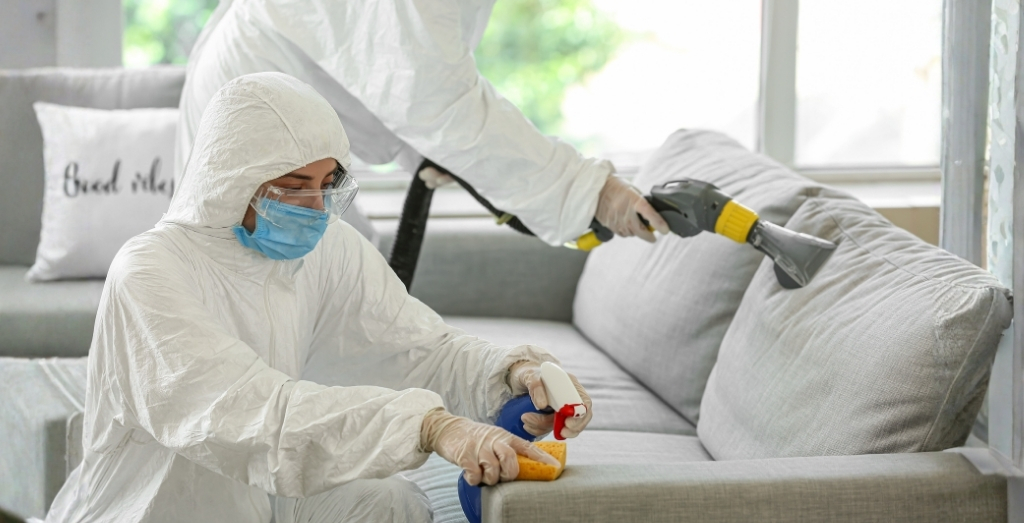
Professional remediation is a methodical process focused on identifying, removing, and verifying the elimination of drug residues. It begins with assessment, not assumptions.
Certified drug testing and lab-certified drug testing are used to confirm the presence and extent of contamination. Drug residue testing establishes where contamination exists and how it may spread within the environment. Remediation is then guided by data rather than surface appearance. This distinction matters. Cleaning changes how a space looks. Remediation changes what remains.
Liability Risks for Property Owners and Managers
Property owners and managers carry a responsibility to provide safe environments. When drug contamination in properties is ignored or underestimated, that responsibility becomes a liability concern.
Without documentation from drug residue testing or surface wipe testing, it becomes difficult to demonstrate due diligence. Air and dust drug testing is often relied upon to confirm whether contamination remains active. Professional remediation creates a defensible record that protects decision-makers from future disputes or regulatory scrutiny.
Health Risks of Untreated Drug Contamination
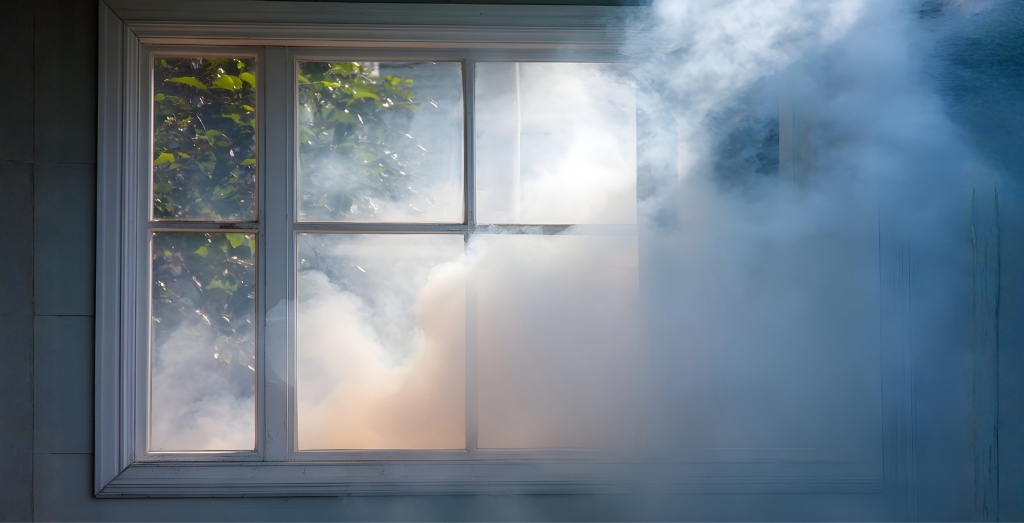
Drug residues are not static. They migrate through air systems, settle into dust, and adhere to everyday surfaces. Over time, this creates pathways for third-hand drug exposure.
Methamphetamine contamination is known for binding to walls and fixtures. Fentanyl exposure risks raise concern even at trace levels. Airborne drug particles can circulate repeatedly within enclosed spaces.
Common exposure pathways include:
| Exposure Medium | Associated Concern |
| Surface Contact | Health risks of drug residue |
| Dust Accumulation | Inhalation and transfer risk |
| Indoor Air Circulation | Continuous airborne exposure |
These risks don’t go away by themselves. They need focused action and intervention.
The Professional Remediation Process Explained
Professional remediation follows a clear sequence meant to remove all doubt. Drug sampling methods are selected based on property conditions and potential exposure points. Surface wipe testing drugs identifies contamination on contact surfaces, while air and dust drug testing evaluates environmental spread.
Once remediation is completed, lab-certified drug testing confirms that clearance testing standards have been met. This final verification step is critical. It transforms remediation from a claim into a documented outcome.
How Remediation Restores Market Value
A property regains value when risk is removed from the conversation. Professional remediation allows that shift to occur. Documentation from a certified drug testing provider gives buyers, tenants, and property professionals confidence that the space meets safety standards. In competitive areas where drug house cleanups in Seattle, WA influence perception, verified remediation signals that a property is responsibly managed rather than potentially compromised. Confidence comes back when evidence replaces doubt.
Removing the Stigma: Legal, Disclosure, and Perception Benefits
Stigma persists when questions go unanswered. Professional remediation answers those questions clearly. When property drug contamination has been addressed and verified, disclosures become straightforward rather than defensive. Drug residue testing records and clearance testing standards provide transparency that supports compliance and informed decision-making. Perception improves when responsibility is documented rather than implied.
Why DIY Cleanup Is Not Enough
DIY efforts tackle visible dirt. Drug contamination lurks beyond what you can see or smell. Drug particles in the air cannot be removed by household cleaning. Without certified drug testing, there’s no evidence that contamination has been eliminated. Even after thorough DIY cleaning, surface wipe testing drugs reveals lingering residue. Because drug exposure risks demand precision, professional remediation exists.
Who Can Avail Professional Drug Remediation Services?
Any property with suspected or confirmed contamination benefits from professional remediation. This includes residential properties, rental units, and commercial spaces, all of which are being prepared for new occupancy. Whether addressing drug house clean-up in Eve, Rett, WA, or Bellingham, WA, or broader regional concerns related to drug contamination in properties, remediation ensures safety expectations are met before reentry into the market.
Choosing the Right Remediation Company
Picking a remediation provider requires more than just availability. Look for commitment to clearance testing standards, use of proven drug sampling methods, and steady reliance on lab-certified drug testing. Bio Clean, Inc. takes a focused approach to professional remediation, emphasizing accuracy, discretion, and documentation. Their process helps property owners who need certainty, not guesswork.
Restoring Property Integrity with Bio Clean, Inc.
A property’s past does not have to define its future. When contamination is addressed properly, stigma loses its footing. Bio Clean, Inc. helps property owners resolve drug-related concerns through structured remediation and verified testing.
For those seeking to restore safety, credibility, and long-term property integrity, professional remediation provides a clear path forward.