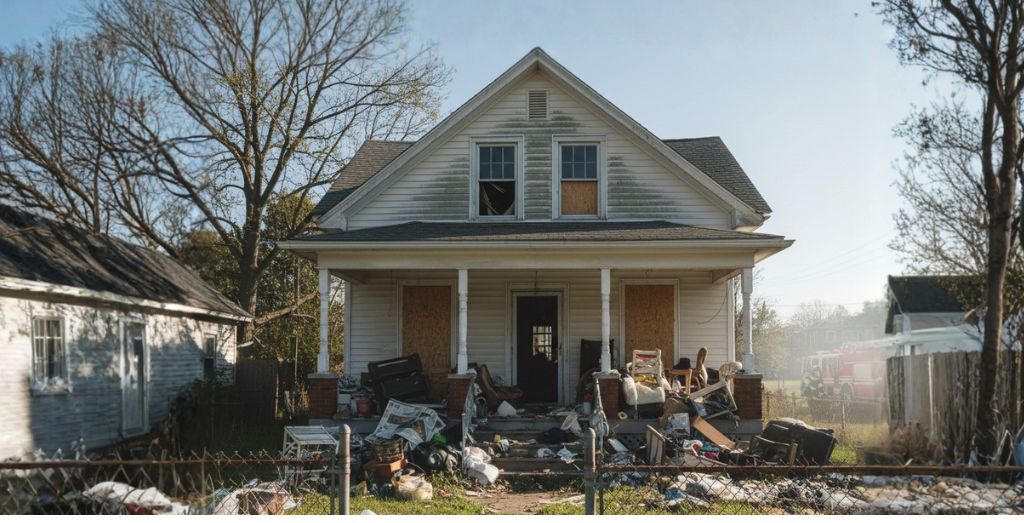
Hoarded properties are often misunderstood because people view them through a personal or emotional lens. That perspective, while natural, overlooks the real problem. Once clutter blocks movement, damages air quality, creates health risks, or compromises structural stability, it’s no longer just a personal matter. It becomes a safety issue.
This distinction matters. Dangerous hoarding conditions are not defined by how a space looks, but by how it functions. When a home can no longer protect the people inside it, intervention is no longer optional. It is necessary.
Hoarding Is Not About Mess — It’s About Risk
Hoarding is frequently described as clutter or disorganization. In reality, it is the presence of compounding hazards within a confined space. These hazards grow quietly, often unnoticed, until the environment becomes unsafe.
1. How Excessive Accumulation Creates Unsafe Living Conditions
As accumulation rises, the home loses its ability to function as intended. Walkways narrow. Rooms become inaccessible. Essential systems such as ventilation and sanitation are compromised. Unsafe living conditions, hoarding, is not sudden; it develops gradually, making it easier to ignore and harder to reverse.
The result is a living space where routine movement becomes risky, and emergency response becomes difficult. These hoarding safety risks exist regardless of intent or awareness.
2. Why Hoarded Homes Fail Basic Safety Standards
Residential properties are designed with assumptions about access, load distribution, and emergency egress. Hoarding and property damage disrupt those assumptions. When exits are blocked or utilities cannot be safely reached, the home no longer meets basic safety expectations.
Common Safety Failures in Hoarded Properties
| Safety Requirement | Impact of Hoarding |
| Clear Exits | Obstructed or unusable |
| Safe Pathways | Increased fall risk |
| Ventilation | Restricted airflow |
| Sanitation Access | Incomplete cleaning |
These failures explain why hoarded home hazards are addressed as safety concerns, not personal preferences.
The Physical Dangers Inside Hoarded Properties
Physical hazards are often the first risks professionals identify, because they present immediate danger.
1. Fire Hazards Caused by Blocked Exits and Combustible Materials
Fire hazards in hoarded homes stem from two primary factors: excessive fuel load and restricted escape routes. Accumulated materials boost combustibility, while blocked exits hoarding prevents timely evacuation. Even a minor ignition can escalate rapidly when movement is limited.
Emergency responders are also placed at risk when access points are obstructed, delaying response and increasing exposure.
2. Structural Stress on Floors, Walls, and Stairs
Excessive weight in concentrated areas poses overload risks to the flooring. The risk of floor collapse from hoarding is especially worrisome in areas where items accumulate over time. Structural damage from clutter can affect beams, stairs, and walls, often with no visible warning signs.
Structural Risks Linked to Accumulation
| Area Affected | Resulting Concern |
| Floors | Sagging or collapse |
| Staircases | Loss of stability |
| Walls | Stress fractures |
| Support Systems | Gradual weakening |
The longer the issue remains unresolved, the more these risks accumulate and worsen.
Health Hazards Most People Don’t See
Not all dangers in hoarded properties are visible. Some of the most serious risks affect health long before they are noticed.
1. Mold, Bacteria, and Air Quality Issues
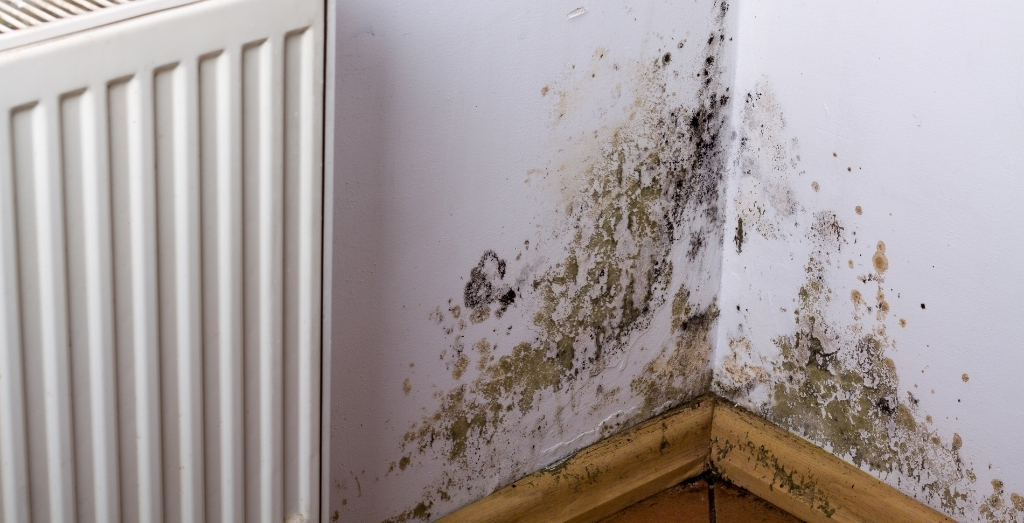
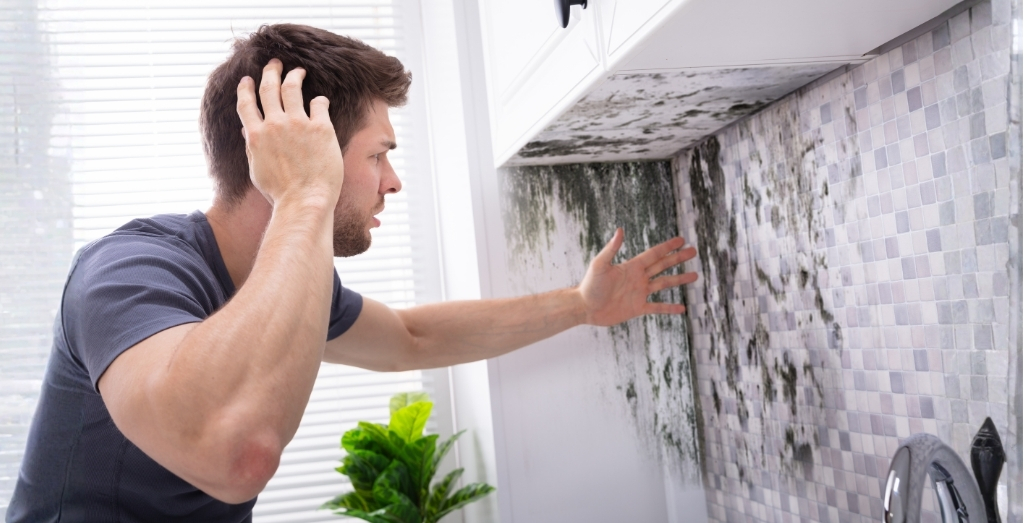
Health risks of hoarding often originate from restricted airflow and trapped moisture. Mold growth in hoarded houses thrives in these environments. As clutter prevents proper ventilation, poor indoor air quality and hoarding conditions develop, allowing spores and bacteria to circulate throughout the space. Over time, the property itself becomes a source of contamination rather than shelter.
2. Rodents, Insects, and Biohazard Contamination
Pest infestations that attack homes are rarely isolated incidents. Rodents and insects are drawn to hidden food sources and nesting areas. Their presence contributes directly to biohazard contamination, which is frequently found in hoarding environments.
Without comprehensive sanitation after hoarding, these hazards persist even after visible clutter is removed.
Hoarding Affects More Than the Individual
Hoarding does not exist in isolation. The risks extend beyond the property’s walls.
1. Risks to Neighbors, First Responders, and Property Managers
Fire spread, pest migration, and structural instability can affect adjacent units and nearby homes. This is why hazard cleaning services in Seattle, WA, and Everett, WA, are often required in shared living environments. First responders face increased danger navigating unstable interiors, while property managers must address conditions that place multiple occupants at risk.
2. Legal and Code Violations Linked to Hoarded Homes
When hoarding poses safety risks, properties often fail to comply with safety standards. These aren’t meant to punish. They exist because dangerous conditions pose genuine threats to residents and surrounding neighborhoods.
Why Standard Cleaning Is Not Enough
Many people are unaware of the actual requirements for reestablishing safety in a property that has been hoarded.
1. The Limits of Janitorial and DIY Cleanup
Standard cleaning focuses on appearance rather than hazard mitigation. Janitorial services are not equipped to handle dangerous hoarding conditions involving contamination, structural stress, or concealed waste. These efforts stop when safety risks exceed manageable limits. Professional hoarding cleanup addresses what surface cleaning cannot.
2. Proper Waste Removal, Sanitization, and Disposal
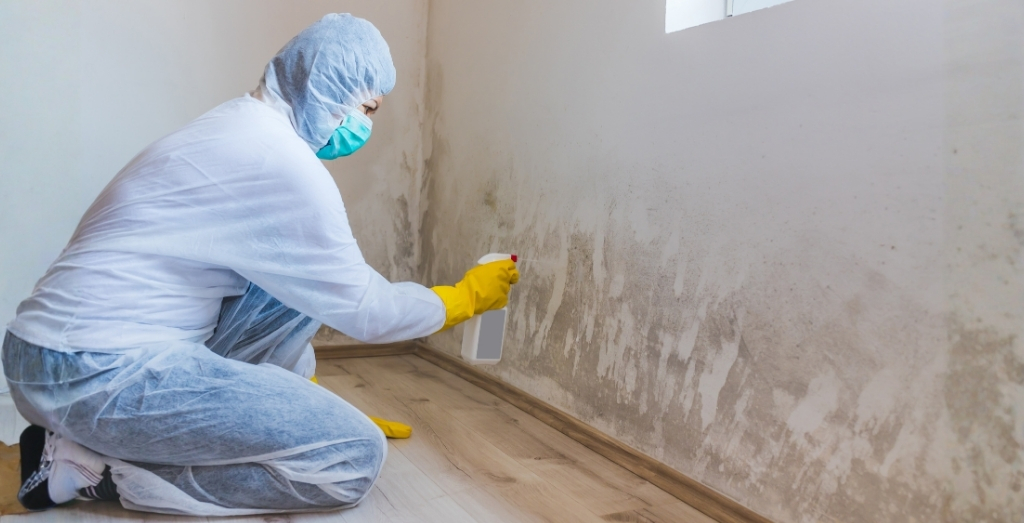
Resolution requires removing hazardous waste, then sanitizing. These actions remove pollutants and reduce the likelihood of recurrence. Hoarding property restoration is about bringing the space back to a condition that supports health and safety.
Professional Cleanup Restores Safety, Not Judgment
1. Addressing Hazards While Respecting the Individual
Certified hoarding cleanup services operate with discretion and care. The objective is not to assign blame, but to remove risk. Professional hoarding cleanup recognizes the emotional weight involved while maintaining focus on safety.
2. Returning the Property to a Livable, Compliant State
Restoration means improving air quality, tackling contamination, and fixing structural problems. Hoarding cleanup services in Seattle, WA, and Everett, WA, are needed when safety must be restored quickly and responsibly.
When Safety Can No Longer Be Delayed
1. Signs a Hoarded Property Has Crossed the Safety Line
Certain indicators signal urgency. Persistent odors, visible mold, pest activity, and compromised pathways suggest escalating danger. Structural instability and blocked exits indicate that the environment is no longer safe to occupy.
Warning Indicators Requiring Immediate Action
| Indicator | Associated Risk |
| Blocked Exits | Fire and evacuation danger |
| Sagging Floors | Structural failure |
| Pest Presence | Biohazard exposure |
| Stagnant Air | Declining indoor safety |
Ignoring these signals allows hazards to intensify.
Restoring Safety and Control with Bio Clean, Inc.
When a property begins to pose a risk rather than provide shelter, action becomes a responsibility. Bio Clean, Inc. provides certified hoarding cleanup services focused on safety, discretion, and restoration. Through hoarding cleanup in Seattle, WA, and Everett, WA, as well as hazard cleaning services in Seattle, WA, and Everett, WA, Bio Clean, Inc. helps return unsafe environments to livable, compliant conditions.
Addressing hoarding dangers isn’t about changing how someone lives. The real goals are restoring safety, protecting health, and preventing further harm. Stability and peace of mind can start with a thoughtful conversation with experienced professionals.