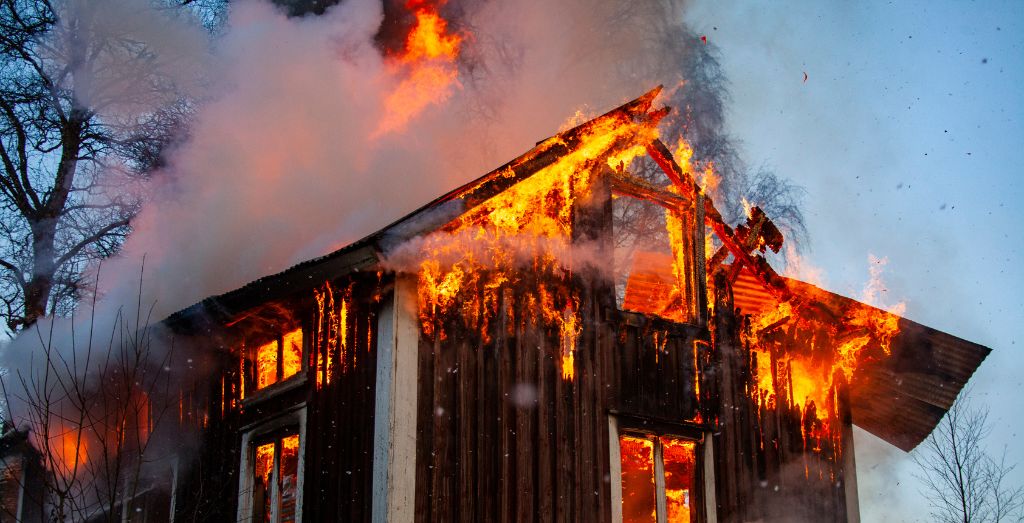
A fire does not have to reduce a property to ashes to change it forever. In many cases, the flames are only a small part of the story. What lingers after—smoke, soot, heat stress, and chemical residue—often causes deeper, long‑term harm. Yet, across homes, offices, and commercial buildings, fire damage misconceptions continue to shape how people respond once the visible danger has passed.
For property owners and managers, especially those who closely follow safety standards and insurance norms, these misunderstandings can be costly. They lead to rushed decisions, overlooked hazards, and a false sense of security. Over time, these choices compromise structural stability, indoor air quality, and even human health.
This blog breaks down the most common fire restoration myths, explains why they are risky, and highlights the real issues that deserve attention after a fire. The goal is simple: help readers see beyond the obvious smoke damage dangers and understand why proper fire damage restoration in Seattle, Everett, Bellevue, Renton, Bellingham, WA, and the surrounding areas is not optional but essential.
The Most Common Myths About Fire Damage
Even well‑informed property owners can fall for widely repeated assumptions about post‑fire recovery. Let us look at the most persistent ones.
1. “If the Fire Is Out, the Damage Is Over”
According to the top fire damage restoration contractors in Everett, WA, this belief is one of the most dangerous misconceptions about fire damage. When firefighters leave, and the flames are extinguished, many assume the threat has ended. In reality, this is when hidden fire damage begins to surface.
Smoke particles continue to settle into walls, ceilings, and furnishings. Heat exposure can weaken materials that may appear intact but have lost strength. Moisture used during firefighting efforts can also trigger secondary issues such as corrosion and microbial growth.
Fire does not end when flames disappear—it changes form.
2. “Smoke Damage Isn’t as Serious as Fire Damage”
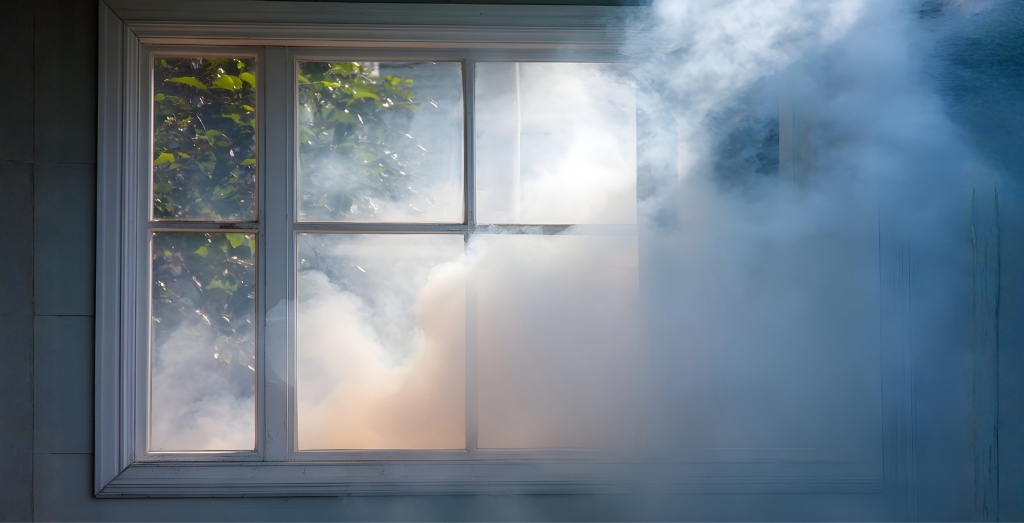
The dangers of smoke damage are often underestimated because they are not always visible. However, smoke carries acidic particles and toxic by‑products that cling to surfaces and penetrate porous materials.
Over time, these residues:
- Discolor walls and fixtures
- Corrode metals
- Trigger respiratory irritation
- Reduce indoor air quality after fire incidents
In many properties, smoke causes more widespread damage than the fire itself.
3. “A Quick Clean-Up Is Enough to Make the Property Safe”
Surface cleaning may improve how a space looks, but it rarely addresses what lies beneath. Soot contamination risks remain long after visible marks are wiped away. Without proper fire damage assessment, residues inside walls, ducts, and insulation continue to pose safety concerns.
This misconception often leads to premature re‑occupation of unsafe spaces.
4. “Handling Cleanup Independently Saves Time and Money”
Many property owners believe they can manage fire cleanup with basic tools and household products. Unfortunately, this DIY fire cleanup ignores the complexity of fire cleanup safety issues. Using incorrect methods can spread contaminants, lock in odors, and even worsen material damage.
Short‑term savings often turn into long‑term expenses.
Misconceptions That Lead to Hidden Safety Risks
Some assumptions are subtle, yet they cause serious long‑term fire damage effects and consequences.
1. Ignoring Soot Because It Looks Superficial
Top fire damage restoration specialists in Seattle, WA, reveal that soot may appear like a thin black layer, but it is chemically aggressive. Left untreated, it penetrates paint, wood, fabric, and stone. Over time, it causes permanent staining and odor retention, contributing to lingering smoke residue throughout the property.
2. Believing Odors Will Fade on Their Own
Smoke odors are not like everyday smells. They are embedded deep within materials. Masking them or waiting them out does not work. Smoke infiltration in walls and furnishings continues to release odors, especially in humid conditions.
3. Assuming Non‑Burned Rooms Are Safe
Fire does not respect boundaries. HVAC smoke contamination allows particles to travel far beyond the affected area. Rooms that appear untouched may still carry harmful residues, making post‑fire inspection essential across the entire property.
4. Using Regular Cleaners on Smoke‑Damaged Surfaces
Standard cleaning agents are not designed for fire and smoke remediation. In some cases, they react with soot and make staining worse. Incorrect cleaning is one of the most common fire cleanup mistakes seen after minor and major incidents alike.
Structural and Health Hazards People Overlook
The most serious post‑fire property hazards are often invisible.
1. Toxic Residue from Smoke and Soot
Modern fires burn synthetic materials, releasing toxic compounds. These residues settle silently and contribute to the long‑term effects of fire damage, including headaches, skin irritation, and breathing difficulties.
2. Damage to Electrical Systems and Wiring
Electrical damage after fire events is frequently underestimated. Heat weakens insulation around wires, increasing the risk of short circuits and future fire hazards in homes and commercial buildings.
3. Compromised Walls, Beams, and Insulation
Even if structural elements are not visibly charred, heat exposure can reduce their load‑bearing capacity. Structural damage after fire incidents may only become apparent months later, often during renovations or inspections.
4. HVAC Systems Spreading Contaminants
Once smoke enters the air circulation system, it repeatedly spreads contaminants. Without proper cleaning, HVAC systems become a constant source of indoor air pollution.
Table: Commonly Overlooked Hazards After a Fire
Area Affected | Hidden Risk | Long-Term Impact |
| Electrical wiring | Heat-damaged insulation | Future fire risk |
| Wall cavities | Trapped smoke residue | Persistent odours |
| HVAC systems | Particle circulation | Poor air quality |
| Structural supports | Heat stress | Reduced stability |
Why Professional Fire and Smoke Restoration Matters
Addressing underestimated fire damage requires experience, training, and the right tools.
1. Specialized Tools That Remove Deep Soot and Residue
Professional fire restoration teams use equipment designed to extract contaminants from porous materials. This goes far beyond visual cleaning and targets the root of soot contamination risks.
2. Accurate Assessment to Identify Hidden Damage
A detailed fire damage assessment can help identify issues that are not immediately visible. From electrical systems to insulation and ventilation, a systematic review prevents unpleasant surprises later.
3. Preventing Long‑Term Odour and Air Quality Issues
Without proper remediation, odours resurface repeatedly. Professional processes focus on neutralizing contaminants, not masking them, ensuring healthier indoor air quality after fire incidents.
4. Ensuring the Property Meets Safety Standards
Fire damage restoration in Bellevue, Renton, Bellingham, WA, and the nearby areas is not just about aesthetics. It is about compliance, safety, and long‑term usability—especially important for commercial and rental properties.
How Believing Myths Leads to Bigger Problems
Misinformation has measurable consequences, including:
1. Delayed Repairs Increase Costs Dramatically
Ignoring hidden fire damage allows deterioration to spread. What starts as minor residue cleanup can escalate into major structural repairs.
2. Hidden Contamination Turns Into Health Issues
Unaddressed smoke damage dangers increase the risk of chronic discomfort and illness for occupants, particularly children and the elderly.
3. Insurance Claims Get Denied Due to Poor Cleanup
Fire insurance complications often arise when restoration is incomplete or undocumented. Inadequate cleanup can weaken future claims.
4. Future Fire Risks from Unaddressed Damage
Electrical faults, weakened structures, and residue buildup can significantly raise the risk of another incident.
A Clearer Way Forward After the Fire
Fire damage is rarely as simple as it appears. The real danger lies in what cannot be seen, smelled, or touched immediately. Understanding common fire restoration myths is the first step toward protecting property, health, and long‑term value.
For property owners seeking dependable fire damage restoration in Seattle, Everett, Bellevue, Renton, Bellingham, WA, and the surrounding areas, working with a trained fire and smoke remediation provider makes a meaningful difference.
Bio Clean Inc., based in Washington, is known for handling complex restoration scenarios involving hazardous residues and contamination, following strict safety protocols outlined in their services. Our approach focuses on careful assessment, responsible remediation, and restoring spaces so they are genuinely safe to re‑enter—not just visually clean.
If your property has been affected by fire or smoke, taking informed action early can prevent years of avoidable damage.
Reach out to Bio Clean Inc. at (888) 412-6300 to understand the right next steps and ensure your space is restored with safety, care, and professional diligence at the core.