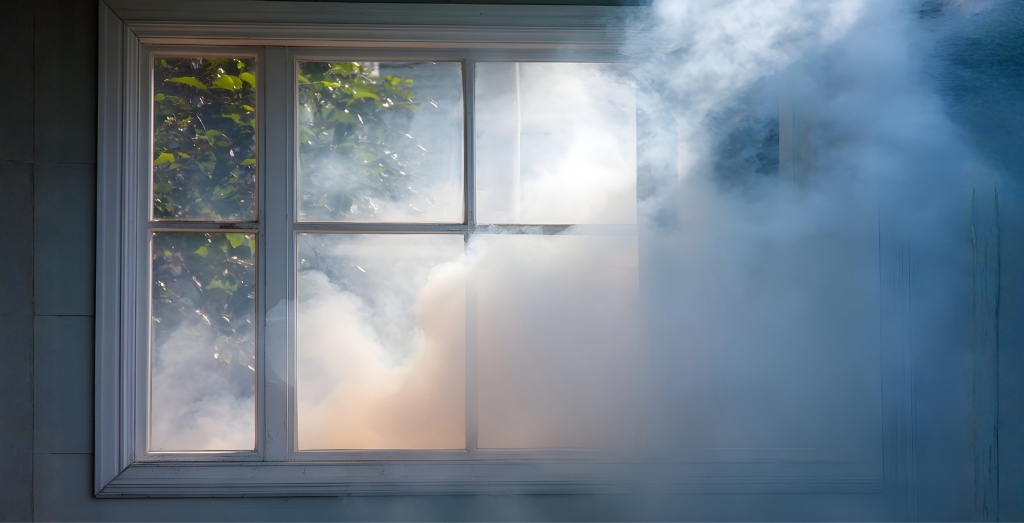
When a fire is extinguished, attention naturally turns to what is visible. Charred materials. Smoke-stained walls. A structure that looks damaged but stable. Yet experienced professionals understand a harder truth: the most serious fire-related problems often develop quietly, after the emergency response has ended.
Beyond just scorched floors and burned walls, a fire can cause much more harm. Structural materials are weakened by heat in ways that are not always obvious. Smoke creeps through ductwork, crawl spaces, and wall cavities. Soot contamination settles quietly into corners and crevices that rarely get a second look.
Without fast, informed action, the harm keeps spreading, creating safety risks that might not show up right away but will absolutely catch up with you. Fire behaves consistently, regardless of location. Understanding what happens next is the first step toward protecting both property and health.
The Aftermath of a Fire Is More Than Burn Marks
Fire is not a single event. It is a chain reaction that affects structure, systems, and indoor environments long after flames are gone. What remains is more complex than what was lost.
1. Structural Damage That Isn’t Visible Right Away
After a fire, structural damage often happens under surfaces that are still intact. Heat can weaken framing, reduce the strength of materials, and damage support systems without causing them to fall apart right away. You can’t see these changes very often, and they usually get worse over time.
A good fire damage assessment looks at how the heat spread through the building, not just where the flames were. This approach is essential for properties undergoing fire damage restoration in Renton, WA, or in Bellingham, WA, where delayed recognition of hidden damage can place occupants at risk.
2. Electrical and Plumbing Systems Compromised by Heat
Electrical and plumbing components are especially vulnerable to temperature extremes. Wiring insulation can degrade. Connections may loosen. Pipes can suffer stress that leads to later failure. These conditions make ongoing fire cleanup a safety concerns that require professional evaluation within the broader fire restoration process.
3. Smoke and Soot Continue to Damage Your Property
Once the flames are out, the effects of smoke damage are often the dominant issue. Smoke and soot are not passive byproducts; they are active agents of deterioration.
4. How Smoke Penetrates Walls, Fabrics, and HVAC Systems
Smoke spreads swiftly and extensively within buildings. As fine particles move through wall cavities, insulation, and ventilation systems, they become embedded in the materials. This process contributes to ongoing air quality issues related to fires by spreading contamination well beyond the fire’s source.
This pattern is consistent across properties requiring fire restoration in Seattle, WA, and across fire-damaged properties.
5. Why Soot Is Corrosive and Gets Worse Over Time
Soot contamination is chemically unstable. When left untreated, it triggers soot corrosion on surfaces such as metals, finishes, and structural components. Over time, this corrosion accelerates material breakdown and expands post-fire property damage.
Effective soot removal techniques interrupt this process. Delayed response to soot corrosion on surfaces to intensify, increasing restoration expense.
| Contaminant | Ongoing Effect |
| Smoke Residue | Persistent indoor air contamination |
| Soot Deposits | Progressive surface corrosion |
| Combustion Particles | Material degradation |
| HVAC Contamination | Circulation of airborne toxins after fire |
Lingering Odors Are a Sign of Deeper Problems
Smoke odors are often treated as a nuisance. In reality, they are indicators of unresolved contamination.
1. Why Airing Out a Property Doesn’t Work
Ventilation may temporarily reduce odor intensity, but it does not address smoke penetration in buildings. Particles that cause odors stay embedded in materials, releasing pollutants back into the atmosphere. This is why smoke odor removal challenges persist even in seemingly clean spaces.
2. Materials That Trap Smoke Odors Permanently
Some materials slowly release smoke after absorbing it deeply. In the absence of sufficient smoke odor neutralization, these materials continue to contribute to fire-related air quality issues. To address odor, the source must be eliminated or treated; symptoms cannot be covered up.
Health Risks After a Fire Are Often Overlooked
Health-related consequences are among the most underestimated aspects of the fire damage aftermath.
1. Airborne Toxins and Respiratory Hazards
Airborne toxins after a fire can linger indoors long after visible debris is cleared. These particles contribute to respiratory hazards from soot and may aggravate breathing sensitivity. When soot and smoke residue circulate through ventilation systems, they amplify health risks throughout the property. These risks have an equal impact on Bellevue, WA, buildings undergoing fire damage restoration as they do on Bellingham, WA, buildings.
2. Skin and Eye Irritation Caused by Residual Contaminants
Direct contact with soot can irritate skin and eyes. Fire cleanup safety concerns go beyond inhalation exposure, underscoring the importance of controlled post-fire sanitation.
Delayed Restoration Leads to Escalating Damage
Fire damage does not stay static. Without timely intervention, conditions worsen.
1. Secondary Damage From Moisture and Corrosion
During firefighting operations, trapped moisture is introduced into materials. When combined with soot contamination, this moisture increases corrosion and material failure. Reducing post-fire property damage requires promptly addressing these factors.
2. How Waiting Turns Repairable Damage Into Replacement
When structural damage after fire and soot corrosion on surfaces are left untreated, materials deteriorate beyond stabilization. This progression is common across fire-damage, refire-damage, and restoration properties, reinforcing the importance of early, informed action.
Professional Fire and Smoke Restoration Matters
Restoration is not about appearance. It is about restoring safety, air quality, and functional integrity.
1. Specialized Equipment Homeowners Don’t Have
Advanced systems designed for complete soot removal and efficient smoke odor elimination are the foundation of professional fire restoration services. By addressing contamination at its source, these techniques lower the risks associated with fire cleanup.
2. Why Certified Restoration Prevents Long-Term Issues
A structured fire restoration process ensures thorough post-fire sanitation and consistent outcomes. Bio Clean, Inc. applies disciplined restoration practices focused on long-term safety, addressing health risks and airborne toxins after fire with professional care.
Restoring Safety, Not Just Appearance
Fire damage does not conclude when the flames are extinguished. It persists in hidden structures, in the air, and in materials that define whether a space is truly safe to occupy.
For property owners navigating fire damage restoration in Seattle, WA, fire damage remediation is essential. Bio Clean, Inc. approaches fire recovery with a focus on safety, integrity, and lasting results—ensuring that recovery addresses what matters most, not just what is visible.