Water emergencies never arrive with an invitation. One moment, your home feels calm and predictable; the next, there’s water creeping across the floor, soaking carpets, threatening furniture, and turning your weekend upside down. Whether the problem started with a burst pipe, an appliance leak, or an unexpected storm, your first actions matter more than most homeowners realize.
In fast-changing situations like these, knowing what to do—and what not to do—can help protect your home, your belongings, and your peace of mind.
This guide walks you through those important first steps while keeping things simple, clear, and grounded in real experience. As you move through each section, you’ll see practical ways to stay safe and reduce damage until professional help arrives for emergency water damage cleanup.
Understanding Water Damage Emergencies
Water damage isn’t just about puddles on the floor. It affects structures, flooring, wiring, walls, furniture, and even the air you breathe. That’s why acting quickly becomes so crucial.
Here’s a quick breakdown of how water damage escalates if left unaddressed:
Timeline After Water Intrusion | What Typically Happens | Why It Matters |
| Within Minutes | Water begins spreading across floors and seeping into porous materials. | Flooring, furniture, and drywall start absorbing moisture quickly. |
Within Hours | Odors may develop, finishes begin to bubble, carpets become saturated. | More items become affected, and repairs become more expensive. |
| Within 24–48 Hours | Mold begins to grow; wood swells; drywall weakens. | Structural integrity is at risk, and restoration becomes more complex. |
After 72 Hours | Major structural damage is possible; serious health risks from mold. | Full restoration may be required, and delays increase overall damage. |
This is why homeowners in areas that commonly rely on water damage restoration in Bellingham, Bellevue, Everett, Seattle, WA, and the surrounding locations know the value of acting quickly.
Safety First: Protect Yourself and Your Family
Before you think about salvaging furniture or grabbing towels, take a moment to ensure the environment is safe. Water emergencies can create hidden hazards, including slippery surfaces, electrical risks, and contaminated water.
Your First Safety Checklist
- Avoid standing water near electrical outlets, appliances, or exposed wiring.
- Keep children and pets away from the affected areas.
- If the source is unknown or seems contaminated, do not touch the water.
- If you detect sewage odor, step back immediately—contaminated water requires specialized handling.
Nothing you save is more important than your safety.
Identify and Stop the Source of the Water
If—and only if—it is safe to do so, your next step is to stop more water from entering your space. Depending on the situation, this may look different:
- For pipe issues: Turn off your home’s main water supply.
- For appliance leaks: Shut down power to the appliance and disconnect its water feed.
- For roof or stormwater intrusion, temporarily block the entry point with available materials.
A fast response doesn’t require professional tools; it requires focus and calm.
Document the Damage for Insurance
In stressful situations, documentation often gets forgotten, but it matters a great deal later. Insurance companies want proof, timelines, and clarity to process claims related to water damage repair, flood damage cleanup, or emergency flood cleanup.
How to Document Effectively
- Take well-lit photos of every affected area—from multiple angles.
- Record short videos showing the spread and severity of the water.
- Capture the source if visible (like a cracked pipe or leaking ceiling).
- Note the date, time, and sequence of events on your phone or in a notepad.
This effort will save you from headaches later, especially when insurance adjusters ask for details that only a flustered homeowner would usually forget.
Remove Excess Water—But Only If It’s Safe
The goal here is not to attempt a full cleanup. That’s a job for trained technicians specializing in emergency water removal and structured water damage mitigation.
Your job is simple: Reduce standing water if you can, without putting yourself in harm’s way.
Some safe actions include:
- Using towels to soak up shallow water.
- Placing buckets under active drips.
- Opening windows to increase airflow if outdoor humidity is moderate.
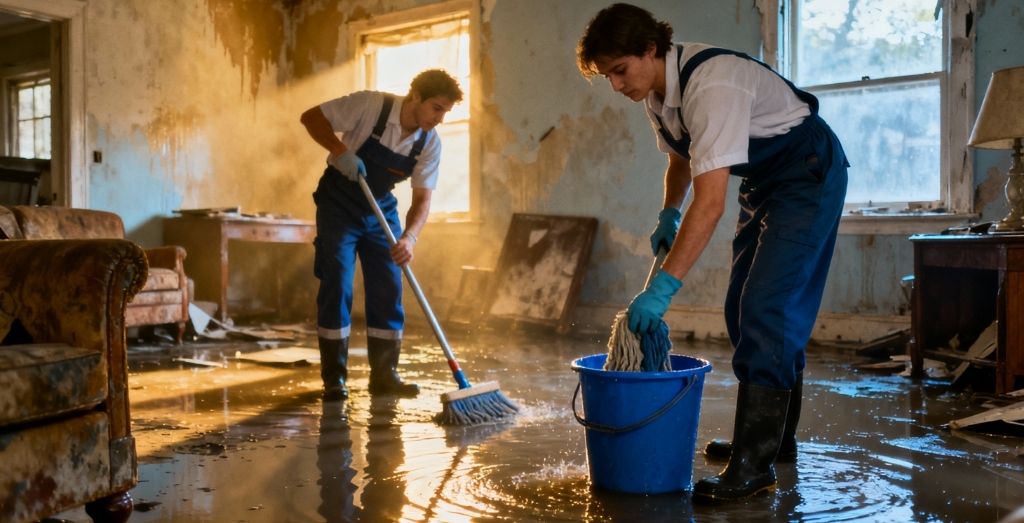
- Using a wet-safe mop to push water toward a lower area.
Stop immediately if you feel unsafe, uncertain, or if the water appears contaminated.
Protect Furniture and Belongings
Water spreads fast, and the longer your items sit in it, the more they deteriorate. Early action can preserve possessions that may otherwise be lost.
High-Value Items to Move First
- Electronics
- Wooden furniture
- Important documents
- Upholstery
- Rugs
- Artwork and family photos
If lifting items is risky (for example, furniture is too heavy or your footing is unstable), leave them where they are and wait for professional help. Many homeowners worsen injuries simply trying to rescue belongings in panic.
Prevent Mold and Secondary Damage
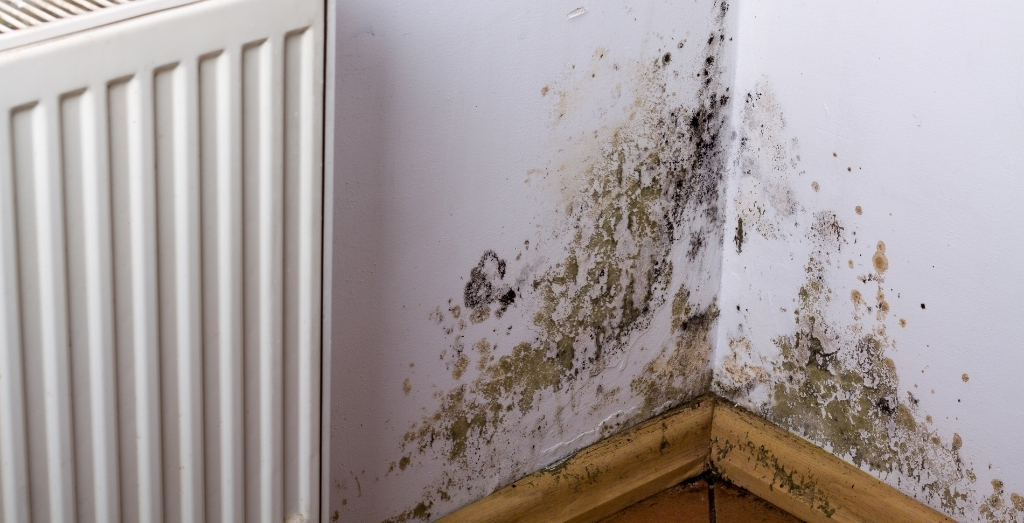
Mold growth is the silent enemy. It begins quickly—usually within 24 to 48 hours—and spreads even faster in warm or humid spaces. Your early steps can slow this timeline and reduce long-term damage.
Simple Ways to Minimize Mold Growth
- Increase ventilation by opening windows (weather permitting).
- Turn on fans only if the water source is not electrical.
- Move wet fabrics (curtains, cushions, clothing) to dry areas.
- Wipe down non-porous surfaces that are safe to reach.
- Avoid sealing damp spaces—mold thrives in closed environments.
If you begin to notice a musty smell, that’s usually a sign that moisture has seeped deeper than expected.
Contact a Professional Water Damage Restoration Company
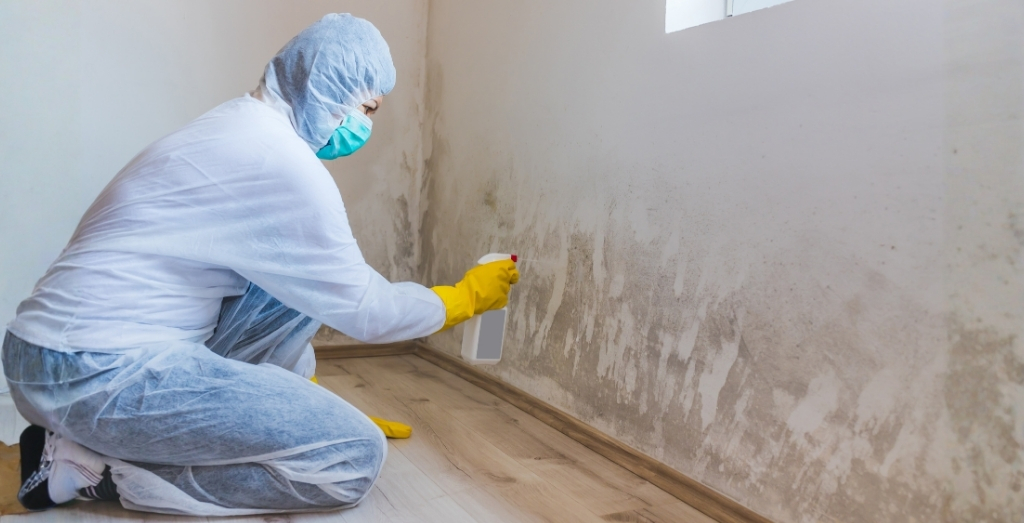
When water damage strikes, most homeowners can only do so much on their own. This is where trained professionals play a crucial role. Teams that specialize in water damage restoration, residential water damage, and home flood cleanup tips use advanced equipment to extract water, dry structures, prevent mold, restore damaged areas, and protect the integrity of your home.
Professionals follow a structured restoration process that includes:
- Assessment of damage
- Full water extraction
- Drying and dehumidification
- Sanitizing affected surfaces
- Repairs and restoration
- Preventive measures to reduce future risks
This expertise is especially valuable for homeowners seeking support in regions such as water damage restoration in Bellingham, Bellevue, Everett, Seattle, and beyond, where storms, plumbing issues, and seasonal moisture are common.
Final Takeaway: Acting Fast Makes All the Difference
Water emergencies are overwhelming, but knowing what to do in those first few minutes can make an enormous difference. Staying safe, stopping the source, documenting the damage, and taking small—but smart—steps will help reduce long-term harm until trained professionals arrive.
When it’s time for expert help, Bio Clean Inc. is a trusted Washington-based restoration company known for its detailed, compassionate, and fast response. Their team handles water damage with care, precision, and the kind of experience homeowners rely on during stressful emergencies. If you’re dealing with unexpected water damage and want a team that shows up when it matters most, reach out to Bio Clean Inc. for professional, reliable restoration support.
Need immediate assistance? Contact Bio Clean Inc. today at (888) 412-6300 for expert help when you need it most.